David Lowery Talks about His Western Influences and Writing

By Jason Harris


David Lowery, the writer and director of Ain’t Them Bodies Saints, a movie about an outlaw portrayed by Casey Affleck, who escapes from prison and sets out across the Texas hills to reunite with his wife and the daughter he has never met. He wanted to do something that dealt with the archetypes of the western and outlaw genres. The westerns he finds himself loving are ones that have a different perspective.

“One of the first westerns that I loved was Lonesome Dove. It gave me a great appreciation of the genre and how rich it could be and how characters like this could live on the landscape.”

The western that showed him a deconstruction of the genre was Dead Man by Jim Jarmusch, he said.

Along with movies, even literature had an effect on Lowery. Cormac McCarthy is one writer in particular that affected him.

“When I read The Crossing when I was 19, it had a profound effect on me and pretty much changed the way I view not just literature, but storytelling in general.”

Lowery considers everything that McCarthy has ever written in the western genre some of his favorite literature, he said.

Lowery doesn’t have a writing process, but he does think that whatever his process is, it’s him just being lazy. He considers himself very lazy, which is what he thinks most writers are.

“I always put it off as long as I can and find other things to do, eventually the ideas I have in my head sticks around long enough that I just have to finally write it.”

He forces every idea through a trial by fire in his own mind before writing them down. If the idea is forgotten then it wasn’t worth writing down to begin with and the ones that stick around tend to get bigger and bigger, he said.

His choice of Rooney Mara (The Girl with the Dragon Tattoo), Affleck (Gone Baby Gone) and Ben Foster (X-men: The Last Stand) to star in his movie were his top choices for Ain’t Them Bodies Saints.

“It was a dream come true,” Lowery said about getting his three stars. “It was pretty remarkable.”

It felt to him that he and his three stars were friends and that they wanted to make the movie together, he said.

“I consider myself very lucky not only that they wanted to do the movie, but they brought that attitude.”

This is only Lowery’s second feature. His first feature was St. Nick, which was released in 2009. Along with these two movies, he has created “a lot of short films.”

He learned a sense of confidence from his first film.

“I need to stick to my guns and do what I feel is right for the project.”

Lowery would like to work with his stars again. He would also like to work with Brad Pitt.

“There are so many great actors. I admire so many different people. It really depends on what the project is,” he said about who he would want to work with and place in a movie.

Getting to Know Author Georgina Morales


By Jason Harris


Nuevo Blog2_1Georgina Morales started writing when she was nine.

“I wrote poems in Spanish, mostly, and never thought I was any good. I got busy building a career in medicine and forgot about writing for 15 years. After some insistence from my husband, I started writing fiction 4 years ago, and I’ve never been happier.”

Since she started writing fiction, Morales has published a horror novella, Perpetual Night, which has been described as YA even though the subject matter may be a bit dark. She has also written, “Francis,” a short story published in the horror anthology, Isolation. Her most recent published work, “Broken Promises,” appears this month in Heater magazine. It’s her first endeavor into crime/mystery writing, which she finds exciting.

Morales’ not resting on her laurels, but instead is working on two short stories at the moment. The first one, “Tamam Shud,” is a noir mystery scheduled to be part of the anthology, Lucky 13, which will be published by Padwolf Publishing. It’s about an old man who becomes disenchanted with life after the death of his wife, and his kids pay the price.

There is an unnamed horror story Morales is working on for a themed anthology that she won’t name so as not to jinx it, she said.

She is also working on a paranormal mystery, Deliverance. “I’ve been working on it for some time now, but it is still far from completed, thanks to my recent commitments to write other pieces.”

Morales is grateful for the commitments, even though they have kept her from working on her mystery.

She does have a few habits when she starts writing.

“I usually sit at my desk in my office about 10 or 11 a.m., I answer emails and play—I mean, promote—on Facebook for about an hour, and from then on, I’m a mean writing machine.”

She stops around 3 or 4 p.m. so she can go pick up her girls from school. She tries to stick with this schedule because she finds that without specific goals she’s less productive. The use of sticky notes reminds her of these goals, she said.

Morales belongs to a critique group and must post at least 1500 words every Sunday, which is what keeps her “ass in line” and “very productive.”

“Deadlines are gold for me.”

The best advice she has received covers writing and editing.

“Don’t edit while you write or you’ll never move forward. When you write, write. When you edit, edit. I don’t remember where I read that but it speaks to the quintessential need of a writer. We want our words to be gold from the moment we set them on paper. If the sentence is not perfect, if the feeling is absent, if the atmosphere is not exactly what we envision, we don’t move forward. We tend to correct ourselves every second, but the truth is that all first manuscripts are shit.”

She doesn’t use the word “shit” for shock value, but that first manuscripts are that, Morales said. “This is why writers edit and edit.”

As writers should, Morales reads whenever she isn’t writing or taking care of her family.

“I read a lot of horror and try to read at least a couple of new or modern voices in the genre every other month.”

For the last year, she’s been focusing on the true classics of horror, but not Bram Stoker or Mary Shelley. She’s been reading Joseph Sheridan Le Fanu, Daphne Du Maurier, Algernon Blackwood, and Thomas Ligotti.

Morales hates procedurals and isn’t quite a fantasy girl, but is trying the Harry Potter series. She isn’t above the Twilight books, but not the movies, she said.

“I grew up reading Edgar Allan Poe and Stephen King, so you will see a lot of their influence in my stories. However, I love Latin American literature. I strive to achieve a personal style similar to the poetic prose of Gabriel Garcia Marquez, or the bluntness of Paz, the yearning of Federica Garcia Lorca. All of these great voices have formed me, and that is why my style is different from other horror writers. Or at least, it will be; one never stops to improve.”

She doesn’t have any promotional events coming up, but is working to change that. Until that happens, visit her blog, her Goodreads page, her Facebook page, or her Amazon page.

Editor’s Note:

Here is Heater magazine’s Facebook page.

Getting to Know Author Rachelle Bronson

By Jason Harris


Author Rachelle Bronson started writing when she was very young. It was around the age of 6 or 7.

“I would fill those school notebooks full of drawings and stories. I’ve always had a good imagination, and seeing those ideas turn into reality struck a chord.”

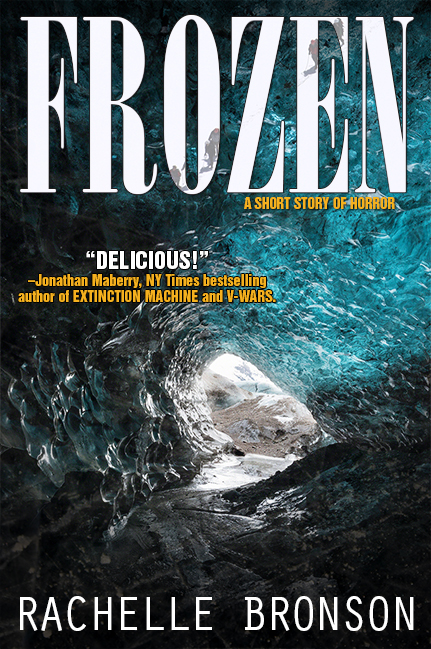
Her newest work, Frozen, was released last month.

“It’s about a group of scientists that trek high into the Himalayas to dissect a newly discovered breed of humanoid,” Bronson said about Frozen.frozen-72

Her previous story, “Lulabelle,” was published in the Hersham Horror Books anthology, Alt-Zombie. This collection includes stories by William Meikle and Joe McKinney.

The story was shortened from its original version, Bronson said. She would like to see the whole story published someday.

Before she begins writing, she does a lot of research. She also makes sure to have well-developed character and plot outlines before beginning.

“I like to know where I’m going, which helps me avoid writer’s block. Many times however, the characters and story take on a life of their own and always surprise me in the end.”

Her published short stories aren’t the only works she has written. She has a few unpublished novels, Legends: The Bleeding Door, which will launch next year, and Tarzwell, which doesn’t have a release date at the moment.

Her first novel, Legends: The Bleeding Door, is based on an urban legend she researched and turned into fiction. It was conceived when she was in high school. Legends is what got her involved with Invictus Films, who wanted in 2007 to turn the novels into a television series after her pitch was received favorably by NBC and HBO. Unfortunately, the recession in 2008 killed the project’s momentum.

“I reacquired the rights in 2012 and am planning to launch the series, as intended, in book format, with The Bleeding Door being the first of a series of 13.”

Outside of the Legends series, she also has her novel, Tarzwell, which takes place between 1992 and 1996 and is based on actual events.

“Talk about a confusing time, going through high school and living in a house that has paranormal activity. It was a tough time for everyone. My mother was ill, my father was forced to work out of town to support us, so I was there many times alone, taking care of my mother, dealing with teenage angst and spirits.  I never believed in ghosts until I lived in this house.  It changed me profoundly.”

She considers living in the house “a major learning experience” and considers herself stronger for it.

“It definitely reminds you that life is about mind, body and spirit.”

The best writing advice she has ever received is to “never quit.”

“There are many obstacles to becoming published. But if you want it bad enough, hone your craft, lick your wounds and just keep going. Oh, and get yourself a good editor. They can make or break you.”

She is currently the chief reviewer at The Novel Blog website, which was conceived in 2008 by Daniel Boucher and Peter Mark May. She joined shortly after that and they have had a blast publishing news, reviews and interviews of authors ever since, she said.

“We wanted to do a book review site, one that included both up-and-comers and established authors to help get out awareness of their works and grow the community.  It also gives authors of other genres that may not be in the fiction literary mainstream a place to get the word out about their work.”

Bronson doesn’t have a website, but she hopes to remedy that by the end of this year or the beginning of 2014. She does have a Facebook page (https://www.facebook.com/?ref=tn_tnmn#!/rachelle.bronson.9?fref=ts) and a Twitter account (@rachellegagne).

She and her publisher, Hive Collective, are looking at different promotional opportunities for her, which she will announce on her two social media accounts.

She loves reading the classic authors such as Stephen King, Agatha Christie, Robin Cook, and H.P. Lovecraft. She also has had great pleasure exploring new writers such as Kane Gilmour, Daniel Palmer, JT Ellison, Jonathan Maberry and Peter Mark May.

Bronson looks up to all writers, who stay true to themselves and their craft, but doesn’t want to emulate them.

“I want to be me, being original and trusting in my own pool of knowledge and creativity in order to produce something new, entertaining and inspiring to horror fans everywhere.”

Interview with the ‘You Gonna Die, Fly’ Creators

By Jason Harris

935211_392473287538359_169053195_n

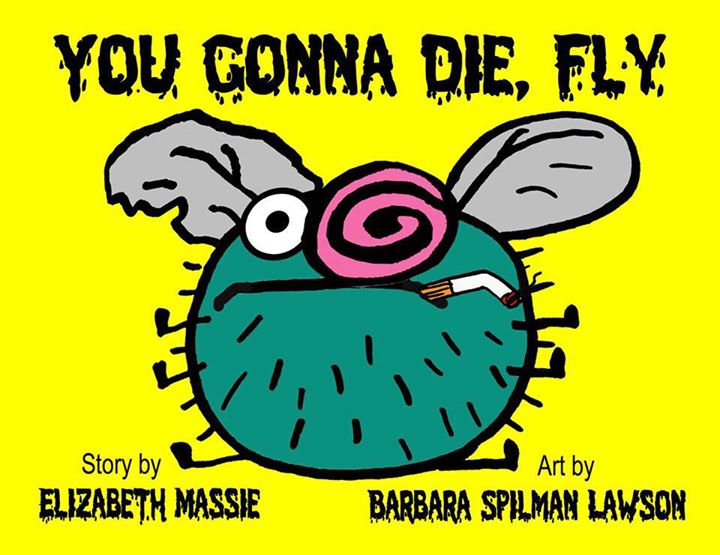
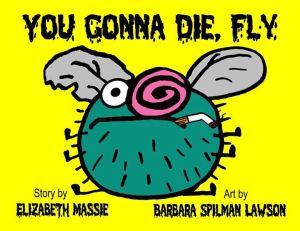
You Gonna Die, Fly was released last month. It was my pleasure to talk to Elizabeth Massie and Barbara Spilman Lawson about their creation. Massie wrote the story while Barbara illustrated this cute book.

JH: When did you come up with the concept/idea of You Gonna Die, Fly? Did you two come up with it together? What inspired it?

Elizabeth: A couple years ago, while at NECON (a great July convention in Rhode Island), I bought a copy of It’s Okay to Be a Zombie by Nathaniel Lambert and Danny Evarts. It’s a total hoot, wild and over-the-top, and is marketed as an “unchildren’s book.” I started thinking about how much I get a kick out of books with bright, insane artwork, especially if they illustrate stories that are equally crude, fun, and crazy. I also was aware that summer of how many flies there seemed to be – buzzing around my car, some of the bushes in the yard, and banging into the windows and into me inside the house. I started jotting down ideas for a short tale featuring a fly and his life. Then I showed it to my sister Barb, whose cartoony artwork I adore. She agreed to create the illustrations. We pretty much forgot about it for almost two years, and then we talked it over again during one of our long road trips together (Barb is a professional storyteller, and I often travel with her to help out.)

Once Barb created the character of Fly, with his one little eye/one big eye and ball-shaped body, the rest flowed like fine wine. Or cheap wine. Or stinky swamp water. Okay, like something wet that pours.

Barbara: After Beth wrote the book, she asked me if I’d like to illustrate it. My art style is bold, colorful and cartoony, so a picture book was the perfect idea. And I loved the idea of a “NOT-for kids” picture book. I write and illustrate my own picture books (actually FOR kids – I was a Kindergarten teacher for over 20 years and a professional storyteller now) but I love the chance to illustrate for a different genre. (Is a totally tacky and rude not-for-kids picture book an actual genre? If not, it should be.)

JH: Was Fly going to be the main character all along or did it start out as something else?

Elizabeth: Fly was always going to be the main character. Flies in real life drive me crazy, all buzzy in my ears and hair and banging around and crawling on stuff, but I do have a bit of sympathy for them with their itty-bitty short lives and being flies and all. So I imagined what it might be like for a fly who wanted to search for the meaning of his life, even though he only had two weeks to make it happen.

JH: Barbara, is this the first book you have been the illustrator for? If not, what else have you illustrated?

Barbara: I wrote a children’s book with Beth (Jambo Watoto: Hello, Children, Creative Arts Press, 1998), which was illustrated by artist, Marsha Heatwole. It’s a beautiful art book for kids. But that’s not what you asked, is it? I am just finishing writing and illustrating my own picture book, How Many Words Does It Take To Write A Book? It will be available in September, but not published under the Fucked Up Folktales Publishing line. ‘Cause you know, since it actually is for kids. Thought that was good move. It will be published under Stories With A Twist Books publishing.

Elizabeth: Barb forgot to mention that she has also written and illustrated a number of entertaining picture books toward the Virginia Standards of Learning for public schools under her Fun Stuff Publications imprint. These books have been a hit with kids and lifesaver for teachers needing clear, fun, practical, and memorable materials to teach the standards.

JH: Elizabeth, you have worked with Cortney [Skinner] before? Why not on this book?

Elizabeth: Cortney has been hired to do the artwork and cover designs for a number of my novels and collections – such as the ones for Afraid, Sineater, The Fear Report, Sundown, Naked On the Edge, Homegrown –and he is incredibly talented! However, I’d wanted to collaborate with my sister Barb for a while, and You Gonna Die, Fly seemed like the perfect project. I knew her light-hearted and sometimes insane illustrative style and was sure she would push it over the edge where it belonged!

JH: How long did it take to write and illustrate You Gonna Die, Fly?

Elizabeth: It took me a little over a week, to write the story. Then I let it sit and went over it again for some tweaking. Then it sat and sat and then Barb got her hands on it.

Barbara: When I finally started working on the pictures (a couple of years after Beth first wrote the story), it took about six weeks to get everything finished and ready for printing. As I completed each picture, I sent it to Beth and she checked it out and gave some input. “I really like this one!” or “Well, that sucks the big one.” You know, helpful, constructive input.

JH: You just started Damn You, Demon. When do you think the public will be able to get their hands on it?

Elizabeth: Barb had drawn a round, red, ball-shaped demon picture for another project we have in the works and we realized that the style would be perfect for a second book in the Fucked Up Folktales line. We just came up with the idea a week or so ago, and we’re working on that as we speak. Or will get back to it after we speak here, in this interview. Anyway, I’m guessing it will be ready to order by early September.

Barbara: What she said.

JH: Is there a timetable for the publishing of your books?

Barbara: There is no set timetable for publishing, but hopefully we’ll get all our books published before we’re dead.

Elizabeth: I like selling things before I’m dead. And yes, we have ideas for books beyond Fly and Demon. Oh, we do indeed ….

JH: I loved the first one. It was informative and funny. I actually looked-up online to see if flies only lived two weeks. I didn’t want the story or Fly’s life to end. Did you do research for the book before writing or illustrating?

Barbara: I looked up pictures of flies to see what they are supposed to look like. Then I drew a ball with wings. I also gathered pictures of stinkbugs, ticks, bowl weevils, beetles and lightning bugs for reference (for the insect orgy page).

Elizabeth: Thanks, Jason! We didn’t want Fly’s life to end, either, but damn it, there ya go. As to flies’ lifespans, we checked to see how long they live. Some live just a couple weeks. Some live a month or a little more. Hey, we want our rude, crude, over-the-top, not-for-kids picture books to be based in facts!

JH: You named your publishing company, Fucked Up Folktales. How long did it take to come up with the name? Is there any significance to the name?

Elizabeth: It took about ten seconds to decide the name. I’d recently been hired to write retellings of folktales for a major educational publisher. I researched a lot of folktales and geez louise, a lot of them are messed up. In one country, about 80% of the folktales end with some dude getting his head cut off. Happy-happy folktales! So anyway, while Barb and I were driving into town for some errand or other (did I tell you we live next door to each other, out in the country, so we run errands together fairly often?) I was telling her about the crazy-ass stories. I blurted out, “Those are some fucked up folktales!” Barb got this look on her face and said, “That the name for our line of not-for-kids picture books! Perfect!” And, you see, since folktales are tales made up by and told by folks, and Barb and I like to think of ourselves as folks, we figure ours could be new folktales. Perhaps our little stories will live on into the future, told and retold, read and re-read, like those lovely ones where dudes get their heads cut off.

Barbara: Once we decided on the publishing company name, we got together with our web designer. She hesitated, angled her head a little and asked, “With that name, what if you get some people looking for porn?” And I asked, “Do they buy books?”

JH: How has the response been for the book?

Barbara: Fantastic! Here are excerpts from a few early reviews: “It’s freakin’ hilarious and adorable.” “I honestly thought it was one of the most clever and funniest things I’ve read in a long time!!!” “This book is the poop!” “I LOVE “You Gonna Die, Fly”!!!!! It’s dark and irreverent and … stinky. Perfect!”

JH: How would you describe it to people. A children’s book for adults?

Elizabeth: We purposely call it a “not-for-kids picture book.” We put the “not-for-kids” first for people who can only read and comprehend a few words at a time. Otherwise, they’ll be giving it away to babies to enjoy, and can you imagine the mayhem when babies start acting likes flies, cussing, smoking, drinking, emulating their favorite character? I shudder at the thought.

Barbara: We don’t want it mistaken in any way for a children’s book. We put a picture of Fly smoking a cigarette on the front cover, we described the book as the “Not-for-Kids” book on the back cover so we hope adults will take a little time to flip through it and see it is NOT a kid’s book. We hope it is very clear. We hope adults are that smart.

JH: Besides the website, are there any other places to purchase the book?

Elizabeth: At the moment, the only place to order them is either through our Fucked Up Folktales website, the You Gonna Die, Fly page (http://fuckedupfolktales.com/you-gonna-die-fly/) or through the You Gonna Die, Fly Facebook page (instructions are on the page.) Eventually, we’ll look into putting it on Amazon. After we figure how to do that.

Barbara: Yep, we’re working on it ….
Author Talks about First Novel and Writing


By Jason Harris

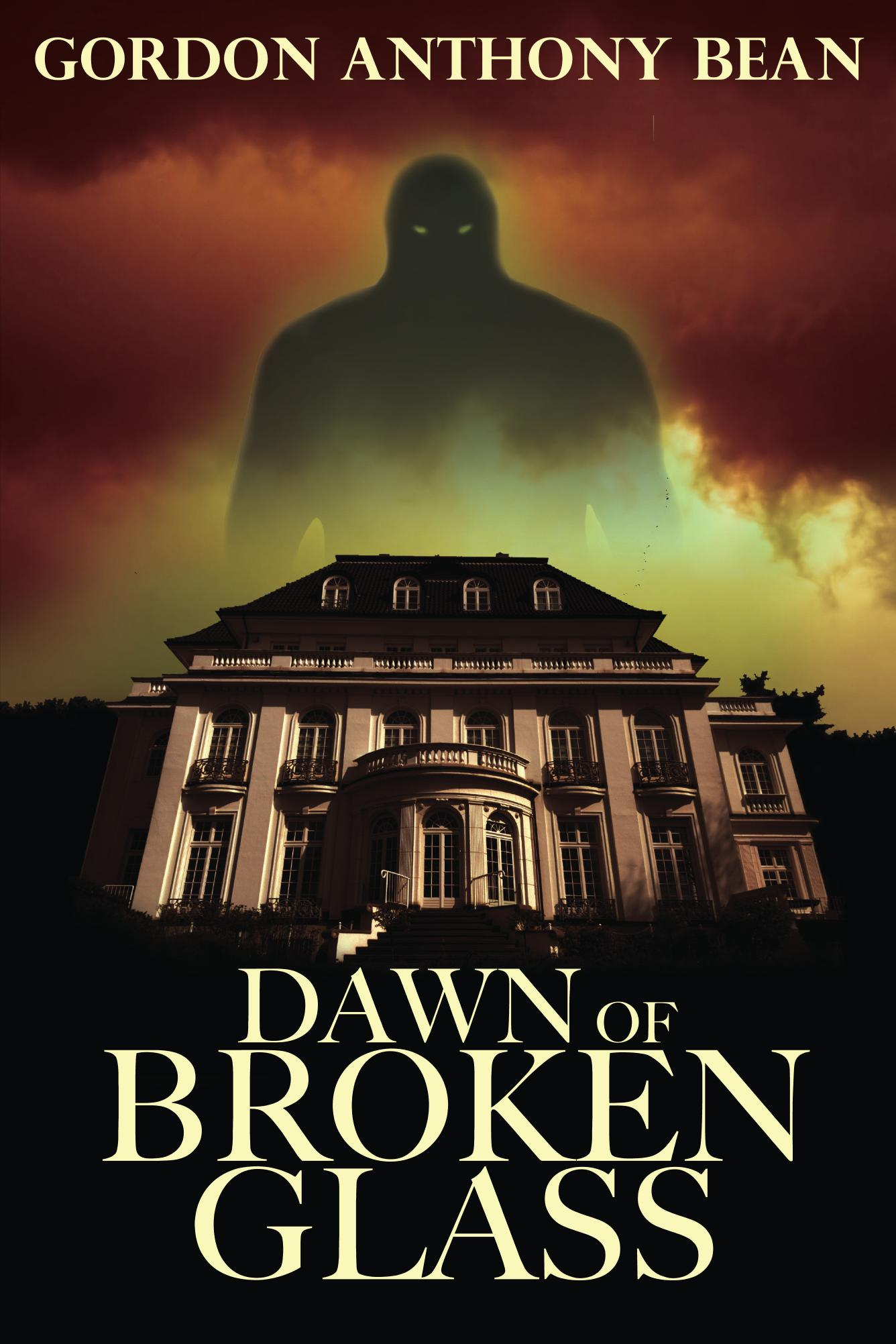
Dawn of Broken GlassGordon Anthony Bean recently published his first novel, Dawn of Broken Glass. It was released in June.

He has written two other novels, but shelved them since they didn’t feel right to him. He plans to revisit them at a future date.

Dawn of Broken Glass felt like a great story with fully developed [and] believable characters that the reader could identify with, so I decided this was the book I wanted to publish first,” Bean said.

Dawn of Broken Glass tells the story of Michael Carson, who witnesses the brutal and senseless slaughter of his family during Kristallnacht in the early days of World War II. The loss of his family has left him with deep emotional scars, and feelings of anger and hatred which become all-consuming to the young man. Years later, he seeks his revenge. Along with the mysterious Jason Froemmer, Carson begins a mission to eradicate the bloodlines of each soldier who partook in his family’s slaughter so many years earlier.

Bean wrote it over eighteen months. He spent the better part of a year doing multiple revisions on plot, characters, and writing style.

Bean is working on Bloodlines, a sequel to his first published short story, “From a Whisper to a Dream.” This story was published in the anthology, Sinister Landscapes, published by Pixie Dust Press. He does have a second short story, “Out of the Corner of His Eye,” in the Grinning Skull Press anthology, From Beyond the Grave.

“One interesting tidbit about my writing is that the stories are all interconnected. In my second novel, there will be an appearance of a central character from Dawn of Broken Glass. Basically, I’m creating a wholly contained universe where all my stories take place on the same earth,” Bean said.

His primary career is in finance, but he wants it to be writing.

“I’m trying to get my writing career to take off and hopefully be able to one day devote myself to it full-time.”

He has been writing his entire life. “In elementary school, I had a short story published in our school’s spring journal. In high school, my creative writing teacher told me that of all the students she ever had, she felt that I was best suited to be a writer.”

He belongs to the New England Horror Writers organization. He hopes to get exposure for his writing through the NEHW. This is what he hopes would happen with belonging to any writer’s organization.

“What I hope the NEHW or any other group would be able to do is help give exposure to this novel and future novels,” Bean said.

Bean has received good writing advice in his life, he said.

“The best I remember getting was to write for myself. Like most writers, I love to write. I am a huge horror fan and if I can leave a lasting imprint on a reader through my work, it’s all worthwhile.”

Besides writing, he enjoys reading. Michael Moorcock and Robert Heinlein were two early favorites and Clive Barker, who he loved when he was a teenager. He reads Christopher Golden, Brian Lumley, F. Paul Wilson, Joe Lansdale, Edward Lee, Jonathan Maberry, Dan Simmons, Richard Matheson, Douglas Preston & Lee Child now. His tastes vary, he said.

Director Talks about ‘Dirty Wars’: Part II


by Jason Harris

According to the movie’s website, Dirty Wars “begins as a report into a U.S. night raid gone terribly wrong in a remote corner of Afghanistan, and quickly turns into a global investigation of the secretive and powerful Joint Special Operations Command (JSOC).

As Jeremy Scahill digs deeper into the activities of JSOC, he is pulled into a world of covert operations, unknown to the public and carried out across the globe by men who do not exist on paper and will never appear before Congress. In military jargon, JSOC teams ‘find, fix, and finish’ their targets, who are selected through a secret process. No target is off limits for the ‘kill list,’ including U.S. citizens.

Drawn into the stories and lives of the people he meets along the way, Scahill is forced to confront the painful consequences of a war spinning out of control, as well as his own role as a journalist.

We encounter two parallel casts of characters.

The CIA agents, Special Forces operators, military generals, and U.S.-backed warlords who populate the dark side of American wars go on camera and on the record, some for the first time.

We also see and hear directly from survivors of night raids and drone strikes, including the family of the first American citizen marked for death and being hunted by his own government.”

The world has changed so much since director Rick Rowley and writer Jeremy Scahill began Dirty Wars. When they started the film, there was no public discussion on the war on terror, Rowley said. No one was talking about drones, targeted killing, assassinations or any of that. There may have been some talk on the fringes, but nothing like there is now, Rowley said. It eventually moved from the fringes to the editorial pages of the Washington Post.

Rowley doesn’t know why it is being talked about now when it wasn’t when they started the film. He thinks this discussion should have happened a decade ago so people would know why the war is being waged, what it’s doing to the world, and doing to us as a people. “It’s wonderful that it is, but the rhythms where they take us are difficult to explain.”

He’s not sure how these things happen, but after Sept. 11 it was bound to take some time before we could soberly look at what was going on, Rowley said. He thinks it could be happening now that President Barack Obama has been re-elected and he won’t be facing a challenge from a Republican contender.

“I think its safe for them to come forward and begin to talk about issues that they would feel differently talking about if you were about to go up against [Mitt] Romney.”

Rowley hopes his film is a part of the conversation that is going on at the moment. There are more than a dozen wars going on in the world at this time.

“There are a dozen of those countries where wars are being fought in our name, but without our knowledge and without our consent. And at home, they have assumed the right to execute American citizens without formal charges and without a trial.”

Rowley believes fundamentally important decisions have been made about who we are as a country and how we operate in the world, and it has all been made over the last decade in secret without a national debate. These wars have been orchestrated by the secretive and powerful JSOC, which Scahill is about to sue, he said. The lawsuit is coming about because of all the freedom of information requests that have not been answered by JSOC.

Scahill was also pressured not to publish certain articles, Rowley said. Scahill was threatened and his computer was hacked. Some of these instances are chronicled in the film. The film also delves deeper into JSOC’s activities.

You can find out where Dirty Wars is showing on its website, http://dirtywars.org/.

A Conversation with Author Adam Cesare

By Jason Harris


b55f3206ed747f885cd18d60591387401. You have written a novel, novella, and a short story collection. What are you working on now?

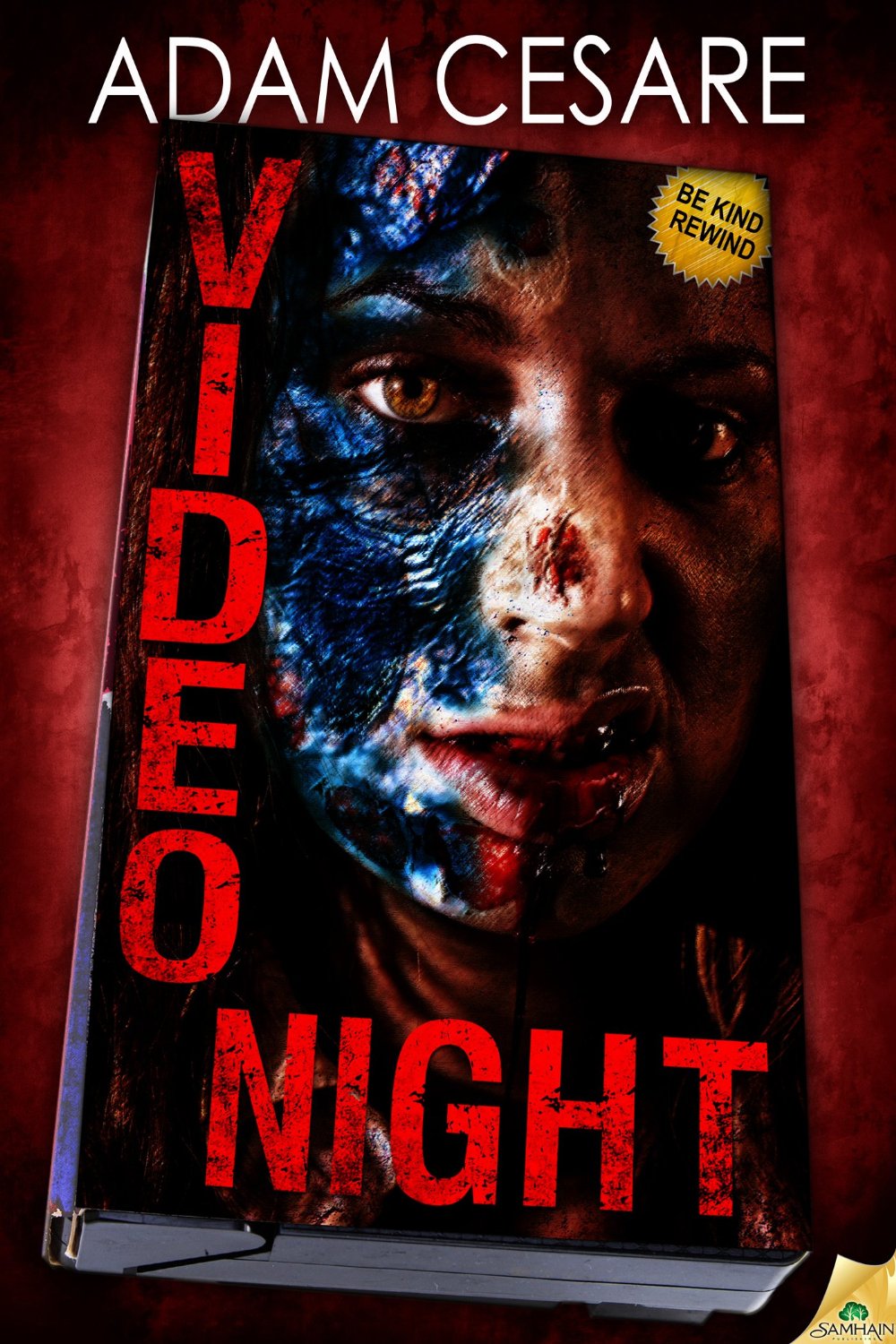
Next up will be another full-length novel. That one will be from Samhain (they put out Video Night, as well) and it’s my take on the satanic cult subgenre. All the longer pieces I’ve written have all been set in specific periods (the 1980s, 1960s, etc.) I didn’t want to become known as the “throwback” horror guy, so The Summer Job is set in our time. The characters have iPhones. I’m all done with that one and right now I’m working on a novella for a to-be-named publisher. I’m super excited about both of these.

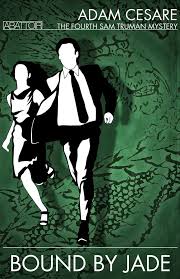
2. On Amazon, it has you credited with Bound by Jade (the Fourth Sam Truman Mystery). Is this true and were you involved with any of the other mysteries in the series? I only ask since you don’t have this book listed on your website.

There are a couple of posts about it on the site, but I think they’ve been pushed off the front page over the last few months. It should be on the website; I’m just the world’s worst webmaster, so it’s not up there. I’ll fix that.

The series was created by writer/publisher Ed Kurtz. Sam’s a disgraced P.I. who just happens to get the city’s strangest cases (the books are supernatural noirs). I didn’t write the first three, but they all share the same character. The series is something special and I’m very proud of my entry. They’re dirt cheap, so everyone should give the Sam Truman books a try.

My installment is a novella called Bound by Jade. It can stand on its own, but reading the whole series is the best way to go.Bound by Jade

3. You have written about movies in Tribesmen and Video Night. Would you say, you have been influenced by movies? What movies have influenced you?

Yeah. Even from a young age, movies were my everything. Not to get lame with the “write what you know” adage, but I use the world of film as a jumping off point in those books. Video Night is based on the phenomenon of watching movies, especially the social aspect of that, while Tribesmen is more about making movies and what goes in (and shouldn’t go in) to getting what you need on camera.

The Summer Job doesn’t explicitly connect to the world of film, but it is my attempt to write in the genre of folk horror. To the best of my understanding, folk horror is predominately a film term and it describes the subgenre that films like The Wicker Man, Blood on Satan’s Claw and Kill List belong in. Those are all British films, and I am nowhere near British enough to try and write about the location, so mine’s a New England folk horror story. 91w2nxklemL__SL1500_

4. You were a film studies major in college. What made you decide on that degree?

I studied both English and Film. When you’re a film studies major (as opposed to a film production major) the two fields of study are actually very similar. They’re both a lot of reading, writing, and analytical thinking. That kind of stuff interests me and I think that being a critical consumer of media (no matter if it’s Re-animator or The Canterbury Tales) makes you a better writer.

5. What did you envision doing with your life with a Film Studies degree?

I went to grad school for a year and picked up a Masters in Education. So I’m qualified to teach, which is also something I find worthwhile/enriching.

6. Who are some of your favorite writers?

Oh boy. This is one of those questions I could spend all night on. For horror, let’s go with Aaron Dries, Sarah Langan, Laird Barron, Stephen Graham Jones, Shane McKenzie, and Jeff Strand.

7. Who are you reading at the moment?

I’ve got Joe Hill’s latest, NOS4A2 almost finished. I’m right now in the process of choosing what goes next. I try to put my genre consumption on rotation, so since I’m just finishing reading something that’s horror I’ve got three different genres all vying for the title: N.K. Jemisin’s The Killing Moon (fantasy, I think), James S.A. Corey’s Abaddon’s Gate (science fiction) and Duane Swiercynski’s third Charlie Hardie book, Point & Shoot (crime).

TribesmenCover8. You have a blurb from Jeff Strand for Tribesmen. How did you feel when you received that blurb? Did you seek him out for one?

Jeff and I had only met once very briefly before I asked him to take a look at the book, so I was really surprised how nice he was about the whole thing. His blurb is amazing and now that I’ve seen him a couple more times at conventions, he and his wife (author Lynne Hansen) are two of my favorite people.

9. Would you like to see Tribesmen or Video Night made into a movie?

Yes, please.

10. If they were made into a movie, who would you like to see direct it and why?

Some aspects of the books would probably have to change either way, but I like to think that they’re both pretty adaptation-friendly.

Lexi Alexander would be a good choice for Video Night, in my opinion. She knows how to work with actors and gore in equal measure as evidenced by the criminally underrated Punisher: War Zone.

The dynamic directing-duo of John Skipp and Andrew Kasch would be my choice for Tribesmen. They’ve done some incredible short work that’s both hilarious and disgusting. They would get the tone EXACTLY.

I mean. There are no films in the works or anything, so why don’t we throw P.T. Anderson and Kathryn Bigelow and [Martin] Scorsese in the running?

11. What made you stay in Boston after college?

I love it. It’s been my home for seven years. It’s a movie-loving town, for one thing. The Coolidge and the Brattle are two of the best theaters in the country and they’re both walking distance from me.

12. Are there any plans to put Bone Meal Broth out in paperback? What inspired that collection of work?

I had the rights back to a bunch of stories that had been previously published, so I picked out the best of them and put out a short (20,000 word) collection. I’m quite proud of it, but I’m not sure it’ll ever be in paperback. It’s the only time I’ve self-published something and I really enjoyed the experience. Maybe in a few years I’ll bump up the word count by adding some stories to the roster and then find a publisher that would tangle with it.

13. What has your nonfiction work been about?

It’s all film essays. I’ve written guest posts for a few blogs and my articles have seen print in Paracinema Magazine. They’re amazing, by the way, if you haven’t read that magazine I highly recommend it.

14. Your work has been featured in Shroud and Fangoria. How did it feel being in Fangoria, a horror magazine that I think every person who is or has been into reading/watching horror has read?

That was just a quick book review I wrote freelance for them, but it got my name on the contributor page and I thought I would faint. For the whole month I was going to newsstands, thumbing to my page and giggling like a madman.

15. You had a blog, Brain Tremors. I love that name by the way. Why choose that name? Did the name come to you right away? Is there history behind the name?

Yeah, Brain Tremors. That was my old page, but I still use the banner over at www.adamcesare.com. I kind of knew what I wanted the insignia to look like, and what’s creepier than an involuntary shaking of the brain?

16. What would be your advice for wannabe writers?

Ha. I’m too low-level to be handing out advice. My advice would be to take writing advice from Joe Lansdale, as he hands it out occasionally on his Twitter/Facebook feed.

One thing that does bug me is the idea of an “aspiring” writer. There are a lot of people on twitter that label themselves that way. Fake it till you make it, guys and gals. There’s no room on the internet for low self-esteem, it’s too full of cat pictures and lackluster writing advice.

The G&D Show Welcomes The Walking Dead’s ‘Merle’

The G&D Show Welcomes The Walking Dead’s ‘Merle’

by Kristi Petersen Schoonover

Fans of The Walking Dead will get lucky on St. Paddy’s Day when The Ghostman and Demon Hunter Show, co-hosted by NEHW member Nathan Schoonover, will be interviewing Michael Rooker  (Merle Dixon) from the popular series. The show will air at 7 p.m. (ET) Sunday, March 17, and conclude just minutes before The Walking Dead’s Episode 314, “Prey,” premieres on AMC.

Rooker has had a long and extensive career in film and television peppered with credits such as Cliffhanger, The Bone Collector, The Dark Half, Jumper, Mallrats, and The 6th Day. Some may also know him as the title role in the controversial 1986 film Henry: Portrait of the Serial Killer or as “The Repo Man” in 2006’s Repo! The Genetic Opera.

In The Walking Dead, Rooker’s Merle, brother to Norman Reedus’ Daryl Dixon, had been left for dead at the end of Season 1, but made a surprising reappearance at the opening of Season 3. There’s been plenty of talking about it ever since, and fans of the show should find this interview—during which they can ask questions via the chat room—a great lead-in to the newest episode.

The Ghostman and Demon Hunter Show has been around since February 2007, and over the years has featured guests such as Elvira, Doug Jones (The Silver Surfer, Hellboy), Butch Patrick (Eddie Munster), Keith Johnson (Ghost Hunters) and many more. The show was also the subject of a two-night special on A&E, Extreme Paranormal, in 2009. Nathan Schoonover and his co-host, Shaun Burris, have appeared on many television shows including Paranormal Challenge and My Ghost Story.

To hear Rooker on Sunday night and ask questions via The G&D chat room tune in at 7 p.m. (ET) by clicking here.

For more information and to listen to the show’s most recent episodes, visit www.ghostanddemon.com.

Doug Bradley Talks about Pinhead, Masks, and Clive Barker

Doug Bradley Talks about Pinhead, Masks, and Clive Barker

By Jason Harris

Doug Bradley

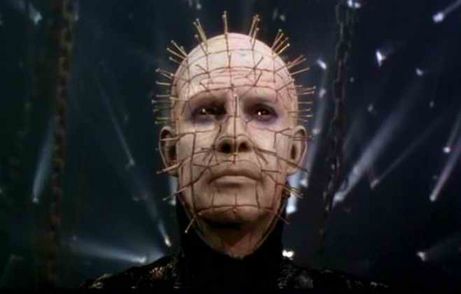
Doug Bradley, best known for the role of Pinhead in the Hellraiser movies, doesn’t think of himself as a horror icon. He jokingly said it sounds like there was a morning where there was a letter on his doorstep stating, “Dear Mr. Bradley, you are now a fully accredited horror icon with a membership card enclosed.”

He credits his appearances at conventions for helping him become known to his fans since he isn’t recognizable with the make-up on.

“I have always said that every actor’s biggest enemy is anonymity.”

Pinhead

He is known more as Pinhead then the character of Lylesburg in Nightbreed.

There’s always an interest in Nightbreed and that interest has been raised recently with the attempt to restore it back to the movie Clive Barker intended to have released in 1990, Bradley said.

Bradley and Barker became friends in high school in Liverpool back in the 60s when they were in a play together. He describes his friend as “the most extraordinary person I’ve met.” He says he “tries not to throw the word genius around lightly,” but he does apply it in Barker’s case.

Bradley said people expect Barker “to be weird and fucked up and sacrificing virgins [and] biting the heads off live chickens. For all I know, he may do all of that,” he jokingly said.

He considers Barker, “very funny, very witty” and a person with an “extraordinary imagination to be able to produce the movies that he has, the short stories, the novels, and his artwork.” He’s “a person with a tremendous sense of the absurd and the ridiculous.”

“For all these decades, it has been a privilege to be close to that process,” Bradley said.

Barker is one of the reasons he turned down portraying Pinhead in the ninth installment of the franchise, Hellraiser: Revelations, which came out last year.

“I didn’t feel like the movie was in anyway, shape, or form a serious attempt to move the franchise forward nor reinvigorate it in any way, shape, or form. I felt it was something of an insult to the franchise, to Clive, to me, to all the people who had worked so hard on the series over the years.”

Bradley hasn’t seen the movie, which had a microscopic budget and a brief shooting schedule, he said. He has heard about the movie from fans and nothing of what he is hearing about it is good, he said.

When he first became Pinhead, it took him five to six hours in the make-up chair, but it was shortened to about three to four hours by the time he made the eighth movie in the franchise. The longest time he was in the make-up for was 18 hours. It all depended on what was needed of him, he said. He could be needed for one scene or for several.

These days he is enjoying just acting and doesn’t have any aspirations to direct.

“I wouldn’t shy away from the possibility of directing, but it’s not something I have a desire to do necessarily.”


Besides acting, he has written a screenplay and a book. The impetus for his book, Behind the Mask of a Horror Actor, “goes back to his relationship with Clive” and how they were always working together for ten years in the theater before Hellraiser.

“We were always using masks one way or another as part of our work. I always had a fascination for it before I came to Pinhead so I guess I just had the ideas in my head …”

When asked about writing an autobiography, he isn’t thinking about writing one because it feels to him if you write one “your life and career are over,” which he feels he is nowhere near that point yet.

“If you are writing your autobiography, you want to make yourself sound as interesting as possible. You want to make your life story as interesting as possible. I don’t know if we’re necessarily capable of telling the truth about ourselves.”

Bradley recently read Lance Henriksen’s autobiography, Not Bad for a Human.

“He has an amazing story to tell particularly in terms of his early life and his journey into the profession. I truly enjoyed reading it.”

Bradley will be attending Rock and Shock this weekend at the DCU Convention Center & The Palladium in Worcester, MA.

Massachusetts Native Talks about Writing and Hollywood

Massachusetts Native Talks about Writing and Hollywood

by Jason Harris

J.P. Ouellette

J.P. Ouellette has worked on a number of films in Boston such as The Box and The Fighter. Working in the city allowed him to “learn filmmaking from some of the best crews around” while being at home.

“The mix of local and Hollywood talent brought my knowledge of film to the next level,” Ouellette said. Being an assistant to great storytellers like Richard Kelly was better than grad school.”

Kelly was the writer and director of such movies as The Box and Donnie Darko.

Ouellette started working in Hollywood after taking a risk in order to pursue his writing career. He states that “Los Angeles is the best place to be for an emerging writer.”

“The whole city is dedicated to the film business, and there are endless opportunities here to build your resume.”

His latest film, Captured, which he produced, wrapped in June and is scheduled for release in October of 2013, which is “a perfect time” to release it, Ouellette said. It’s about a rock band that goes off to shoot a music video where an escaped convict becomes obsessed with them.

“It is a classic slasher flick with a lot of psychological twists. It blends genres, and is made for the true horror fan who is tired of the same old thing.”

Ouellette became involved with Captured when writer and director Joe Arias hired him to write new drafts of the script.

“It took us (a lucky) 13 drafts to get the shooting script ready. It was the hardest writing sessions either one of us has been apart of, but it was worth it, this story will blow your mind!”

Captured took three weeks to film, but it was in the works for two years since Arias came up with the film’s concept, Ouellette said. He is in the process of working on the sound editing, special effects, and the score now.

“It’s been quite a labor of love. It’s all very exciting to see something you help create come together.”

Along with finishing up Captured, he is producing another horror movie, Do Not Watch.

“Due to the high-concept of this project, the synopsis is being kept under wraps.”

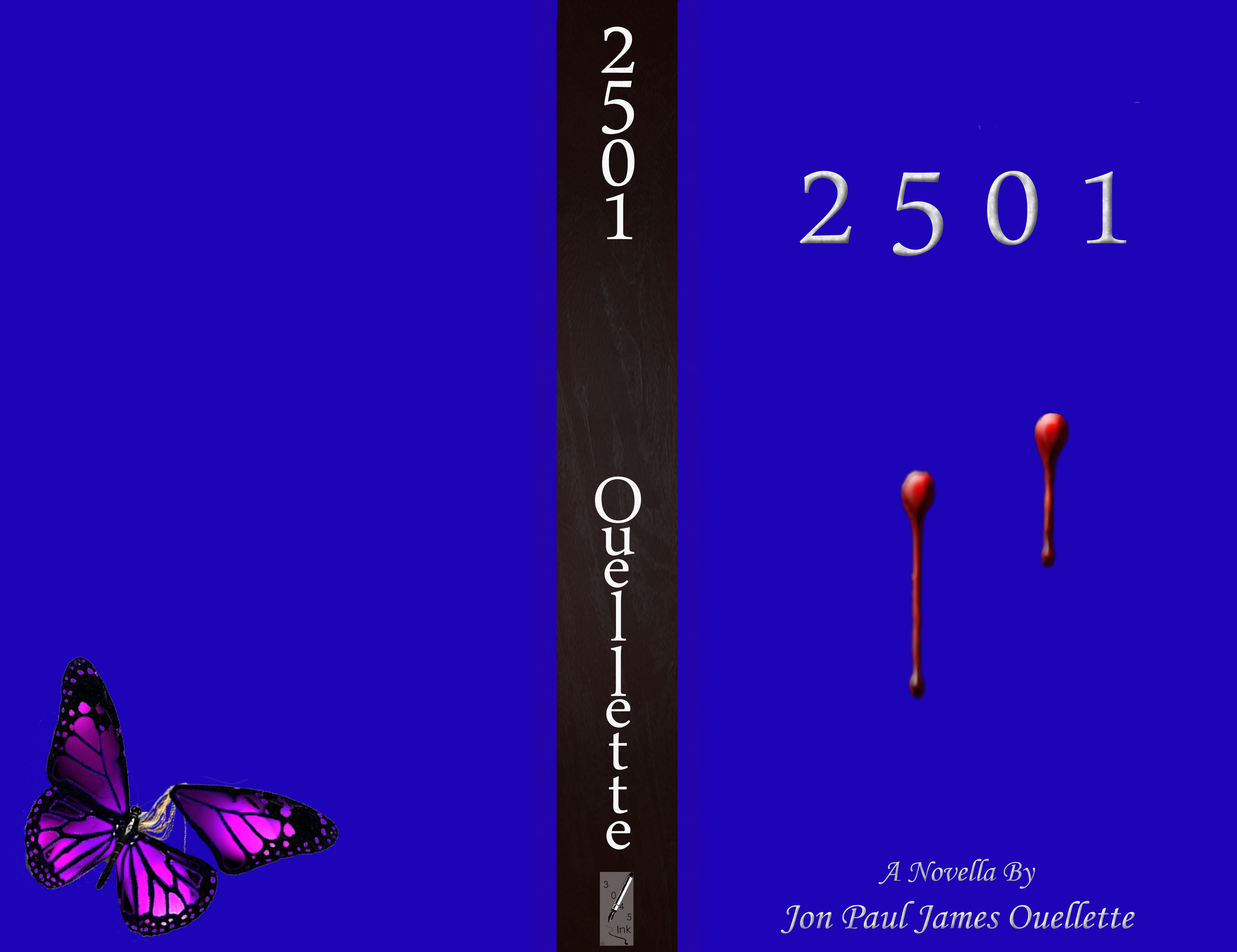
Not only has Ouellette worked on more than 20 movies in his career, you can take a look at his Internet Movie Database profile, http://www.imdb.com/name/nm1965594/ to see everything that he has worked on, but he has also found the time to write a novel, 2501. His writing and this story’s style was inspired by Arthur C. Clarke and George Orwell. Its “hard science-fiction blended with political overtones is something everyone can get behind.” The e-book can be purchase on Amazon by clicking here.

It originally started out as a script idea, but “it was way too involved for the screen at that time.”

“I really had to dig into the characters and the science in order to find my story. Funny enough, the book now represents the outline for the proposed film version.”

He is still looking for the right Hollywood screenwriter to adapt 2501. He could adapt it himself, but he wants to step back and let someone else take care of it.

“The projected budget for this Blockbuster is over $50 million, and that is not in my price range … yet.”

He “would love Steven Spielberg to direct [2501] because of the Stanley Kubrick feel of the story.” If that happens he would love to be on-set, which he would consider “a dream project for sure.”

He does have an outline for another book, but his screenwriting schedule is keeping him from working on it.

“With 2501, I had to isolate myself while traveling in Mexico, writing the first draft freehand while sitting on the steps of the Mayan Ruins. It is the only way to get a novel done in this distracting day and age.”

Ouellette has a number of directors such as John Carpenter, J.J. Abrams, Duncan Jones, and Kelly, who has influenced him. He says that Kelly’s film, Donnie Darko, is the reason he went to film school, he said.

He has worked with many directors and actors, and wants to work with many more.

“They all have their own style to this art, and I love learning from them.”

He doesn’t have a dream project. All he wants to do is “to keep making great movies, and create opportunities to make more of them.”