Support versus Tolerance

This entry originally appeared on Alex Laybourne’s website.

Support versus Tolerance

by Alex Laybourne

As writers, we seek the approval of others for what we do. We may say that we write for fun, or because we love it, and that is all true. A writer writes because they have to, but we publish because we want to share our work, and in doing so we hope for good great reviews and the respect of our peers.

If you talk to any successful person, they will invariably say that they have a wonderful family who supported them the entire way. Just watch any Oscar speech and you will see what I mean. This is also true, and say what you like about successful businessmen or actors. I cannot see another profession that takes quite the toll on friends and family as that of a writer.

We live in worlds inside our head, worlds that not even our nearest and dearest – unless they happen to be writers themselves – could ever understand. We are moody and brooding when writing because we want to write more or need to work out a particular kink in the mechanics or arc of the story, or we are grumpy and moody because we are not writing at that moment in time. We write down and take a sometimes perverse interest in the crazy things that happen around us because it could be a good story idea at some point down the line. Yet our loved ones stick by us. They support us every step of the way.

I have a friend who is really into these self-help books… or as I like to call them – common freaking sense. However, one point that comes across again and again is to surround yourself with people who love and support you. It is supposedly some big secret to success  (sorry the RANT will stop and I’ll get back on topic now).

What got me thinking was, how can you tell the difference between support and tolerance. Those loved ones that smile and nod their heads when you talk about your writing or sit there plotting, writing and editing. Yet on the inside, just below the surface they are  thinking… “You fool. Oh well, at least it keeps them quiet. Stops them from causing trouble”

Can you still count that as support? Are they a positive influence in your life? They support your writing, but when it comes to promotions, and you want to invest some money or a chunk of time during the day to promoting, they put their foot down and refuse. Where does that leave you?

I am lucky enough to have the important people in my life supporting me, but there are a few that I know merely tolerate my dalliances with the written word, and view my attempts to carve a name for myself as nothing more than folly. They are waiting for me to grow up, to start pushing myself hard in other avenues… whatever they may be… please, send all answers to me on a postcard, because I draw a blank here.

This post is dedicated to these people. The silent partners who suffer us writers and support our every step, without ever truly understand what it is we do, and why. It is also a swipe at those who merely tolerate our actions. You all know who you are, and fellow writers, you probably know who they are too. You may not understand why we do it, and you don’t have to. You should support us unconditionally. We are not asking you to do it for us, nor are we demanding you buy 500 copies of our book to make us feel good and give us a rankings boost. We are merely asking that you believe in us. Smile and nod when we talk about our work, even if it is just like the approach taken by John Wemmick with the Aged P in Great Expectations. We are the ones putting ourselves out there, you have absolutely nothing to lose.
Practical PR in Five Steps or Fewer

Practical PR in Five Steps or Fewer Or, I just joined the NEHW … now what?

by Kristi Petersen Schoonover

There’s strength in numbers, and that’s what the New England Horror Writers Association is all about. Through membership, you’ll have access to promotional opportunities—such as selling your books at conference tables and getting yourself out there on the web through the NEHW website—that you wouldn’t otherwise.

That said, we’re all busy people: today’s writers and artists are expected to blog, social network, teach, lecture, promote, critique—never mind create, and that’s on top of our “normal” lives. If you’re in a time crunch, how do you take advantage of yet another opportunity?

You can. In not even five minutes a day. Here’s how!

1. FOLLOW THE NEHW ON TWITTER AND RE-TWEET.

Follow the NEHW at @NEhorrorwriters. We’ll follow you back. We often re-tweet your tweets—and you can re-tweet ours. It’s especially helpful when you’ve got nothing to put out on your feed—and a heck of a lot of news goes everywhere and all it cost you was one second.

2. JOIN THE NEHW FACEBOOK GROUP AND PARTICIPATE.

The NEHW Facebook Group is an easy way to stay informed of upcoming opportunities— and is another place to post your own news and gain exposure. In addition, some pretty interesting posts pop up over there. It’s a cinch to click “Share” or “Comment.”

3. FRIEND OTHER MEMBERS ON FACEBOOK AND HIT THE SHARE BUTTON.

Friend other NEHW members on Facebook—plenty of our members are active and have lots to share. If they post something interesting, that’s your cue to click “Share” and/or “Comment.”

4. IN A BLOG JAM? DIRECT FOLLOWERS TO NEWS ON THE NEHW WEBSITE OR TO OTHER MEMBERS’ WEBSITES.

There’s a near-constant newsfeed—and even older helpful articles—on the NEHW website; in addition, other members’ blogs are pretty active. If I’ve got nothing to post on my blog, I head over, grab a link to something interesting, write a two-line introduction— and voila! Instant post. Just be sure you’re not copying anything verbatim from anyone’s website without their permission; if you’ve got WordPress and so does the poster, you can hit “Reblog” and add a comment, and WordPress will merely show a truncated version and provide the link.

5. ADD US TO YOUR E-MAIL SIGNATURE.

You can add “Member New England Horror Writers Association~www.newenglandhorror.org” to your permanent e-mail signature. You only have to do it once and it’s there until you take it off. How does that benefit you? Clout, of course. It shows you’re a member of a writing organization and that you’ve got a passion for what you do— especially great for when you’re submitting to editors.

If every member of our group did this, think of how much coverage we’d have…and that’s just the beginning. By participating in these five activities when you can, you’ll help yourself—and our organization—gain the exposure we all deserve.

The Traveling Writer: Ten Things You Should Own for Promotional Events

The Traveling Writer: Ten Things You Should Own for Promotional Events

by Kristi Petersen Schoonover

I’ve been doing events for ages, and my first few weren’t easy. No one had a must-have list, and I had to learn by doing. Today I’m sparing you all of that. So, here are the ten things every writer should have in his “Traveling Promotional Toolkit” (other than, obviously, your books/product). If you’re with the NEHW, there’s a good chance you won’t have to worry about some things on this list, like the table and tablecloths. But you should own them anyway, because at some point, you will probably be going solo. Interestingly enough, these ten items won’t break your bank—in fact, if you buy everything at once, your investment is going to be well under $100 and most of that you’ll never have to replace—but they’re absolutely essential if you’re going to take your show on the road.

Table/Chair: Card tables aren’t that expensive. Pick one up and keep it in your basement. If you don’t use it for going on the road, believe me, you’ll find some other use for it the next time you throw a party. A decent card table can run you anywhere from $20 and up. Some come with four or five chairs and start at about $50—but as far as chairs go, anything from home will do. Even those fold-up lawn chairs are fine. But you should have one in case the venue doesn’t.

Tablecloth: You can bring a cloth one from home that you already own, but since I’m a horror writer I like to get funky and use something appropriate. Plastic tablecloths, which you can get at any party store and start at, like, a buck, are the best choice, because you can customize them to the event (you might not want to bring your blood-spatter design to a hospital benefit, for example), and you can toss them when they get worn out. I have a few different ones with different designs on hand especially during October when I’m doing four or five events in a row and want to change it up. I usually get several uses out of them before having to discard them. You’ll find you also won’t mind loaning out the plastic ones, either. These are the most frequent things you’ll replace other than your handouts (see below).

Plastic Tubs: A must. All your books and materials stay dry and in mint shape. The tubs are also easy to carry, and make for a great “table” to put your drinks and food so they don’t go on your signing table, putting your product at risk.

Photo by Jason Harris.

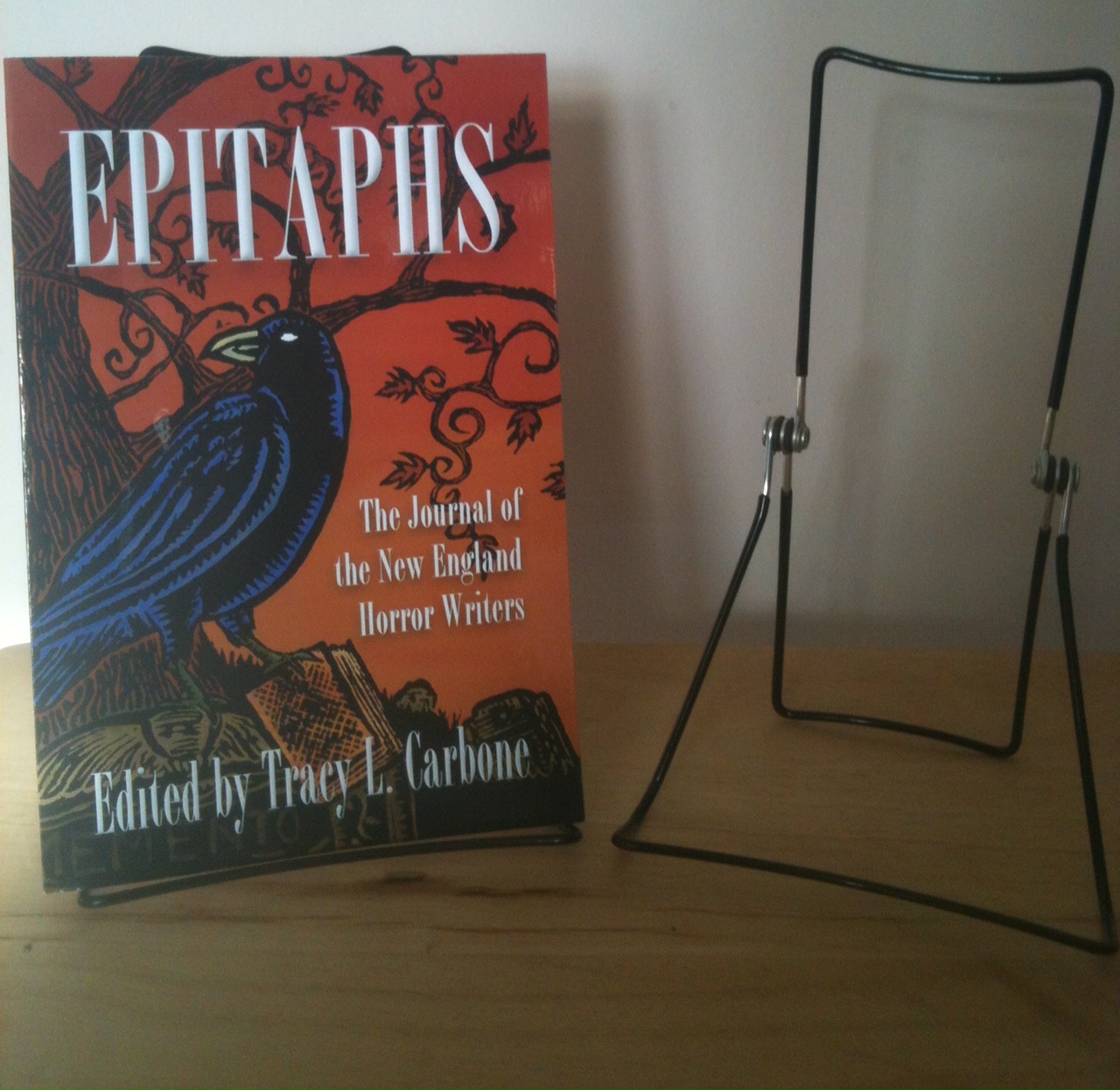
Book Stands: Sure, you can lay your books down on the table, but if they’re standing up, they’re easier to spot, plus they instantly look serious. You don’t have to spend a fortune to own an industrial book stand: these are the poor man’s POP (point-of-purchase) displays. All you have to do is visit Michael’s Crafts and head down the framing/photo aisles; they’re referred to as easels, they’re portable, and they’re cheap. The ones pictured above fold easily. At Michaels, they are about $3.99 each, and if you get the store’s coupons in the weekly paper, then they’re even less. If you wanna go nuts, they have some pretty cool wrought-iron ones. Those are on my Christmas list. Book stands are also available through Amazon.

Handouts/Flyers: The idea with a handout or flyer is to provide something of value: Content your readers will take home and possibly keep for awhile or use—this is the idea behind what today we refer to as “swag” (years ago when I worked for a firm we called them CM’s–“collateral materials”) such as magnets, bottle openers, and pens. The good news is, since you’re a writer, you don’t have to spend the bucks on promotional items if you can’t afford them. An easy, better, and less expensive way to market your work is to take a short story (preferably one that’s published) or a sample from one of your books and copy it. You can then staple your business card, postcard – or simply a flyer with your website and where people can purchase the book – to those copies and hand them out. You may not think it works, but it does result in at least a few residual sales (a residual sale is when a person purchases your work after the show is over).

Pens/Markers/Paper: Don’t laugh. This may seem like a no-brainer, but I’ve been to book signings at big box retailers (Barnes & Noble, Costco, and the like) and the author didn’t have pens that worked. Invest in a box of Bics. And while you’re at it, pick up a few Sharpies, too. Also make sure you have a notepad or extra paper – it comes in handy if you need to make notes, keep sales records, or make a sign. Just keep them in your travel tub.

Sign Holders: These are those plastic one-offs that stand on their own into which you can insert your own flyer, sign, photo, or whatever and the beauty is you can prepare one and use it over and over; you can also change them out frequently but keep a file of different ones on hand and avoid having to print new sheets every time you need something different. They add to your professional appearance and come in a multitude of vertical and horizontal styles and sizes. The best place to get them is at Staples, and you can spend as little as $4.00 each.

Duct Tape: One word: MacGyver.

Plastic Shopping Bags: To offer to customers who purchase your product, and to use for just about anything else, including those empty Dunkin’ Donuts coffee cups and Tab cans. One box of 100 costs about $13 at Staples or Office Max, and it’ll take you awhile to go through them.

Decorations/Candy: Something festive to dress up your table is always helpful because it broadcasts I have passion for what I do, and a bowl of individually-wrapped candies is always pretty, especially around Halloween, because it shows you have a sense of fun. And after all, who doesn’t want to Trick or Treat?

The Journey to an Author’s First Autograph

The Journey to an Author’s First Autograph

by David Price

In March, I finally got to see my name in print. I have a story in the book, Tales from the Grave: An Anthology of True Ghost Stories. This is a big turning point for me. I joined the New England Horror Writers last August. Since then, I have attended some of the events from time to time, but only as a spectator, never as a participant. I like the people who I have met so far in the NEHW, and I was really looking forward to the day I could hang out with them at one of these conventions or fairs. That day was finally here when I was published in that anthology of ghost stories.

The story itself is called “Tucker’s Court” and it is about the house I grew up in, from the age of nine to twenty-five. My family moved in with my father’s parents when I was a kid, because their health was failing. Both of my grandparents died while I was living with them. There was always a presence in that house after that and many odd things happened to me. Maybe it wasn’t your typical horror movie kind of haunting, but to me it seemed worthy of a story. To my great pleasure, it was accepted by editor Rod Nojek and I made the transition from writer to author. Baby steps, first, you could say.

Naturally after I got the word that the book was in paperback, I emailed NEHW’s Director of Publicity Jason Harris and got my name on the list for the next event, which was the 39th Heritage Craft Fair in Framingham, Massachusetts, on March 24.  I had a couple weeks, so I thought I had plenty of time to get some books to sell at the fair. I placed my order with the publisher, only to be told that the books would not arrive in time. This was very disappointing and I immediately emailed Jason again, to let him know that my participation was in doubt. He told me to tell the publisher that I needed the books for an event and ask for rush delivery. I tried that, to no avail. The books were not going to arrive in time.

Two days before the fair, I went online to see if there was any chance of getting a few books on time from Amazon. It turned out I could get them with the rush delivery option, if I ordered in the next forty minutes. As an added bonus, since the books sell for less than ten dollars, they were included in Amazon’s “Buy four books for the price of three” promotion. So I ordered four books and the website told me I could get free rush delivery if I was an Amazon Prime member. Free one month trial, it told me. What the heck, now I’m an Amazon Prime member, too. I was meaning to sign up for that anyway.

Now, before I place d the order, it said that they were guaranteed to arrive by Friday. After I placed it, however, it said that they were estimated to arrive on Friday. Maybe it’s the English major in me, but there’s a big difference between guaranteed and estimated. A guarantee means that yes, it will be there, you can count on it. An estimate falls more into the, well; you’ve got a fifty-fifty shot. That’s not too bad, right?  That made me nervous. My nerves were not calmed when 6 p.m. passed and the UPS truck failed to arrive. That truck drives down my street every night between 6 and 6:15 p.m. I checked the Amazon website and it said the package was out for delivery. What happened then? 7 p.m. passed and still, no package. I pretty much gave up at that point, figuring the driver somehow missed me. But, to my surprise, at 7:15 p.m. the UPS guy showed up on my doorstep with a package that contained the four books with my very first published story in them. Yes!

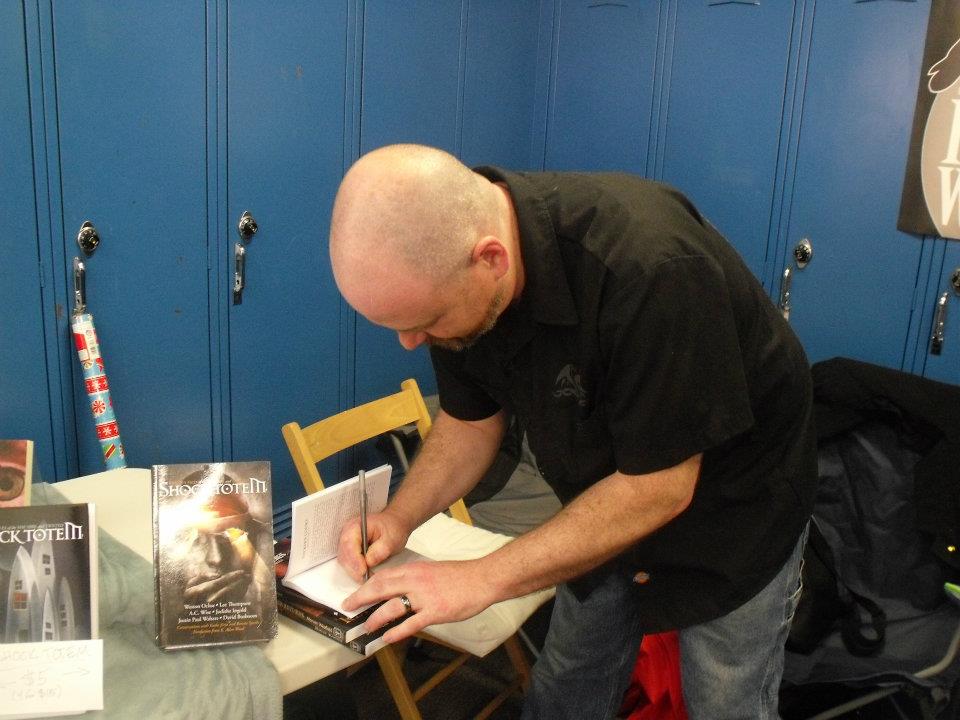
Author David Price signing first autograph. Photo by Pauline Price.

I woke up the next morning and headed out to the fair with my wife, Pauline and my daughter, Kayleigh.  Pauline probably won’t be able to come to many of these things with me, since she usually works on Saturdays, but we had a wedding to go to later that afternoon so she had the day off. After an hour or so drive, we got to the fair and Stacey Longo had a bookstand I could use to put my books on. I was so proud. It might sound silly, but every step towards my dream of a writing career is exciting, even the small ones.

The Heritage Craft fair was held at the Keefe Technical School, in Framingham.  That place is huge! I was expecting, I don’t know, a gymnasium maybe, but this was set up in a seemingly endless corridor. There was room for vendors on each side of the corridor to face each other, with a walkway for the patrons down the middle. The NEHW had its banner hung proudly at the site and I had a book for sale. How cool is that?

The day was made even more enjoyable by the other NEHW members in attendance. These included, the aforementioned Stacey, Morven Westfield, K. Allen Wood and Rob Watts. Morven is, I assume, from Framingham, since her two books, Darksome Thirst and The Old Power Returns were set in Framingham. As the day went on, this became something of a running joke. My wife works in a retail store and she clearly had more experience with customers then the authors who attended. She did her best at greeting all the people walking by and managed to draw quite a few in by telling them that we had some horror stories available that were actually set in Framingham. This was great for Morven’s sales.

It was an interesting day. We had some moderate interest at times and I managed to sell my first two books. When you sell at one of these events and the author is present, they want you to sign the book. Seems obvious, right? Well, I had the nerve-wracking experience of having to autograph my two books. My hands were shaking the whole time. It doesn’t seem like a big deal, I know, but it was to me. It was pretty cool. I also remembered that authors usually write some quick one liner that goes with the story. Since I have shadow people in my story I think I wrote something like “Watch out for the shadows!” If you were at the event and purchased one of my books, you should know those are the first two autographs I ever gave. Hold on to them, they’ll be worth something, some day.

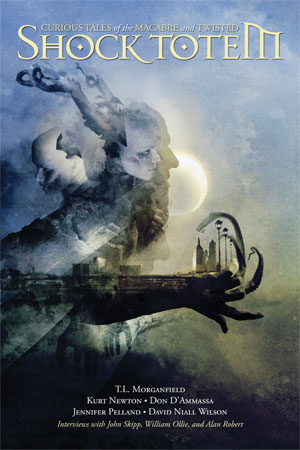
In addition to Morven’s plethora of sales, I believe Ken Wood, who is the publisher of Shock Totem magazine had a decent day in sales as well. Rob Watts was selling his book, Huldufolk, at the fair. It means “Hidden People” in Icelandic and he was even including a free CD that went along with it from The Traffic Lights, the band that is mentioned in the story. I picked up a copy of Rob’s book and one of Stacey’s anthologies before we had to leave for the wedding. It was a fun and slightly nerve-wracking day. It was a great experience. Any fledgling authors out there could do themselves a world of good joining an organization like the New England Horror Writers, which offers a great support system filled with amazing people. It also provides plenty of opportunities to sell your stuff at events including fairs and conventions. Join the NEHW now, you won’t be sorry.

Your Cover Art Sucks

This entry originally appeared on author and NEHW member, K. Allen Wood’s website.

Your Cover Art Sucks

by K. Allen Wood

Let’s talk about cover art.

There has been a self-publishing boom as of late. Once a surefire way to garner scorn from so-called professional writers, now even those dingleberries of the upper crust are self-publishing their work. With its rapidly growing popularity, there are those in the industry whom suggest there is a bubble…and that it’s about to burst. But I disagree. I think things are just getting started.

And that means more self-published books flooding the market.

There is an oft-used quote out there, which goes like this: “Just because you can doesn’t mean you should.”

A few years ago, when I started Shock Totem, a well-known author told me that cover art “isn’t that important.” The argument being that it’s the content that matters more. It’s hard to argue with that. However, I think, in a certain regard cover art matters more. The expression “never judge a book by its cover” exists because everyone judges a book by its cover.

First impressions matter. That initial connection between cover art and potential reader is intimate, and it matters more than you and the masterpiece you think is a page turn away.

I won’t buy your book if the cover art sucks. I won’t download it for free. I won’t do more than laugh derisively like a too-cool uptowner and walk on. Haughtily.

I fully understand that the majority of writers doing this sort of thing are, to put it bluntly, bad writers; but many are quite good, in fact. And to them I say this: If you truly care about your work, seek out the work of professionals in areas where you are not King Dingaling. Dig deep. It doesn’t cost much.

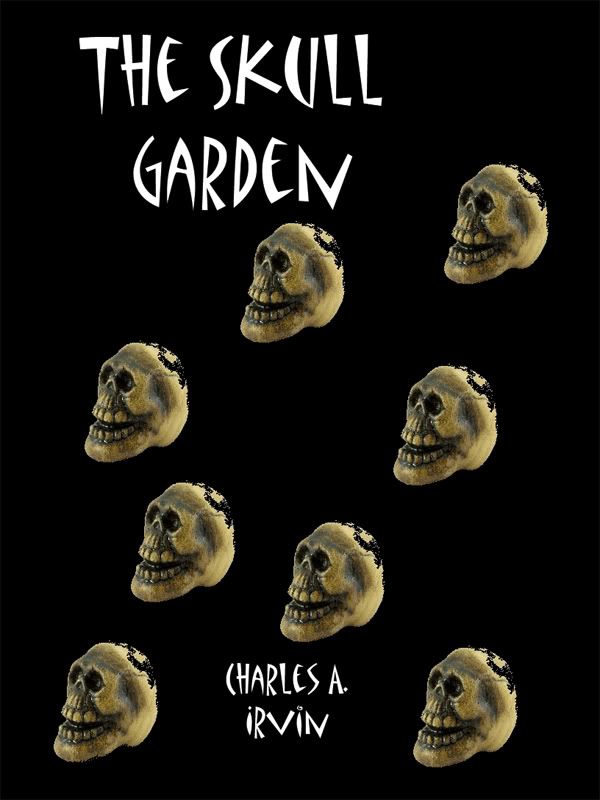
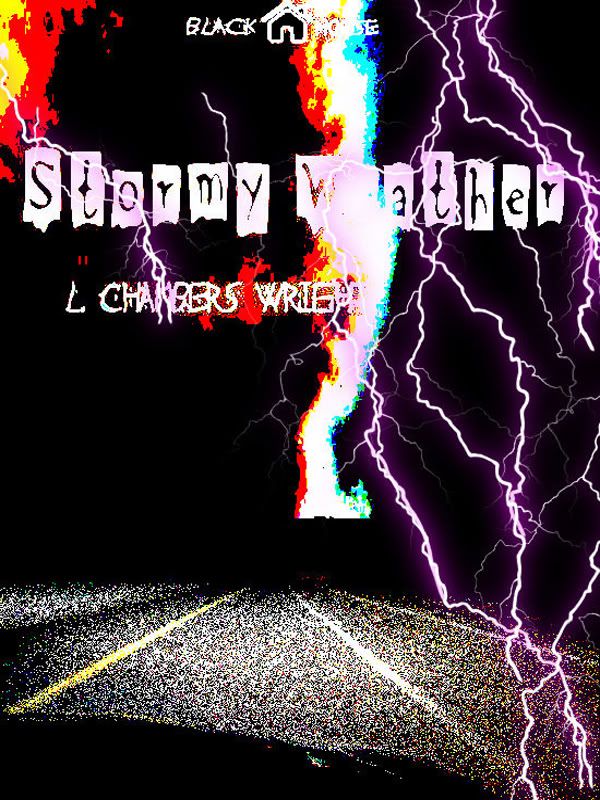
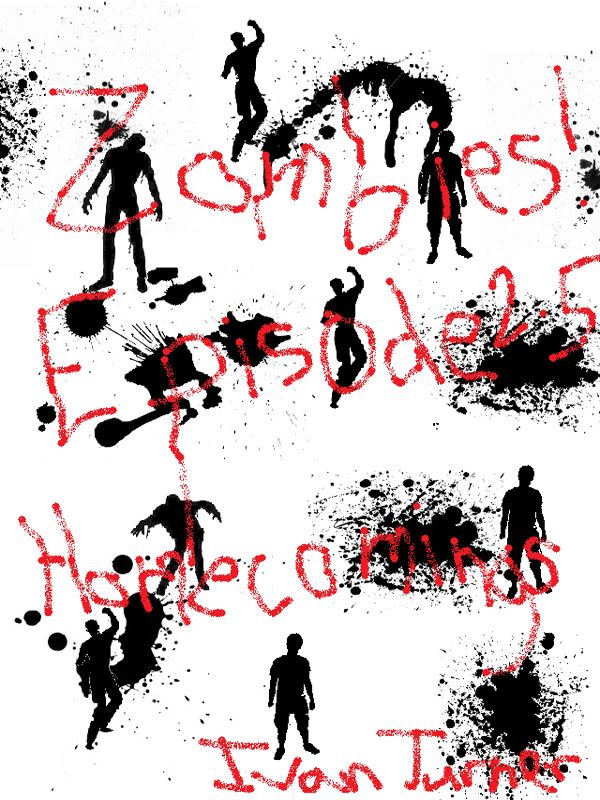
In other words, don’t do this…

[ click any photo to enlarge ]

Above are four actual book covers not designed by a 4-year-old.

Trapped inside the social-media matrix, I am bombarded daily with similar fruits of so many would-be writers’ half-assed labor. You, as well, I imagine.

I see authors posting bad cover art all the time, constantly asking for opinions (which people freely give but which equates to little more than smoke up the ass), often readily admitting that he or she has little skill in Photoshop or design, of any sort.

Thus, I question: If you are that person, why the fuck are you creating cover art?

The Challenge of Using Description in One’s Story

This entry originally appeared on Alex Lukeman’s blog, The Independent Writer.

Realism and Description

by Alex Lukeman

I received a wonderful comment this morning from a reader about my newest book, The Seventh Pillar (you can check it out by clicking on the cover picture to your left). Part of the book is set in the desert wastelands of the Western Sahara. I try to make the settings and details of my books accurate and real enough so the reader can picture him/herself right there, in this case with sand and heartless rock under their feet and heat beating down from a sky as intense and vivid as my imagination and experience can make it.

The reader had not been to the part of the desert I used in the book, but she had spent time in Saudi Arabia and she felt like she was there, with my characters, under that relentless sun and endless sky. Her comment made my day because it meant that I had succeeded in what I had tried to do, make the reader FEEL like she was THERE, where it counts.

Realism. Description. The challenge we face as writers to transport our readers to the worlds of our imagination, wherever and whatever they may be. It is unlikely my reader will ever find herself in a place where very bad people want to kill her, at least I certainly hope not. The magic of realistic description took her there.

I think one of the great challenges of story-making is knowing how much description is enough, or when it is called for. Too much, the reader goes to sleep. Too little, there is no context for the actions of the characters. It’s like the three bears–too hard, too soft, just right.

Complicate that by the kind of book it is. Some books linger forever. The Naked and the Dead (remember that one?). East of Eden. The Sun Also Rises. The Grapes of Wrath. Somehow we become imbued with a sense of time and place that stays even when the details of character, plot and story become hazy. Although I hated the book (not too strong a word), The Road comes to mind. Cold Mountain. And I really like Calumet City for crime noir urban grit.

These books are as different as can be from one another in setting and intent, but they all have incredibly skilled description of time and place as a core strength.

Good description is far more than the color of the sand or the haze over the mountains. It’s a sensual experience when you get it right. You hear and feel the rustle of the wind, see the ominous beauty of a desert sunset and smell the heat coming off the barren lands around you. As much as possible, all senses are involved.

WARNING: OPINION ALERT
Unless you are a Steinbeck or a Thomas Wolfe,
exercise caution.

When I write, the draft is always full of extraneous description which must be edited down to essence, something the reader can digest and feel while the story moves on. I can wax rhapsodic about almost anything (one of the things I love about blogging is that you can get away with clichés like that). But how much does a reader need?

Take a descriptive passage from whatever book you are working on out of context and open it in a new document. Read it again, out of context. Does it put you where you want the reader to be? If the reader didn’t know the plot or who the characters were or what was happening, would that passage stand on its own? Does it feel real? If the answer is in doubt, perhaps you should rethink that description.

Michael Connelly is one of my favorite contemporary authors, for many reasons. Often he has his protagonist Harry Bosch standing on the deck of a precariously perched house in one of the canyons of LA. Each time, I get a new sense of the place even though I’ve stood on that deck with Harry through many books. Connelly doesn’t need pages to make it work. He’s a master of essence.

That’s a challenge for all of us.

Write Like A Champion today.

Five Reasons to Lead a Workshop

Five Reasons to Lead a Workshop

by Kristi Petersen Schoonover

As writers, we’re expected to do everything: blog, publicize, teach, learn, read, critique, edit, revise, judge contests—let alone just write. Sometimes, an opportunity comes our way to lead a workshop, and sometimes, we pass because we’re just overwhelmed.

Left to right: Trisha Wooldridge, Kristi Petersen Schoonover, and TJ May

When New England Horror Writers’ members Trisha Wooldridge and TJ May asked me to be a co-presenter at a NEHW day-long workshop at Annie’s Book Stop in Worcester, MA, on February 4, I really had to think about it. I knew it was going to be just a couple of days after arriving in Provincetown, MA, for my annual winter stint at the Norman Mailer Writers Colony. I knew I didn’t want to go anywhere since it’s my time to disappear and write, write, write. But I said yes anyway, and I’m glad I did.

TJ covered the craft, I covered revision and critique, and Trisha covered business; the participants were engaged and seemed to have a great time. I learned a great deal in the process, as well as getting a refresher on some things I’d forgotten over the years. I left there jazzed, and as I was driving back to Provincetown, I thought that when we pass on a workshop presentation opportunity, we really do miss out.

Here are five reasons to never say no to leading a workshop:

1. Pay It Forward. Your workshop’s participants are there to learn from

The presenters and participants of the writers' workshop. Back row, left to right: Cheryl Cory, Tracy Vartanian, Deborah Sadenwater, L’Aura Hladik, Kris Star, Bob Blois, and Trisha Woodridge; front row, left to right: TJ May, Kristi Petersen Schoonover, Lisa Jackson, and Jennifer Allis Provost.

you—the same way you once sat in a workshop eager to learn from the presenter. Sharing your experiences and knowledge with other writers is giving back what someone gave you— which helped make you the writer you are today.

2. Learn New Things—or Relearn Old Ones. Because writing tends to be discussed rather than instructed, there’s loads to learn or re-learn from either presenters or participants. Get ready to take notes!

3. Appreciate Your Success. Let’s face it, being a writer means getting beat up and feeling not-so-fresh sometimes. But when you start sharing your war stories, you begin to realize that no matter how many times you’ve failed, you’ve accomplished and know quite a bit—in fact, you’ve probably come a long way, baby!

4. Make New Friends. Writing is a solitary venture, and it’s usually an instant connection with someone else who does this solitary venture, too. Yes, you can make great contacts through workshops—but you can also make great new friends.

5. Get Inspired. There’s nothing like being around other writers and talking about the craft to give you a renewed ambition and sense of purpose. Spend a day around that energy and you’ll be driving home on a natural high—you just might spend the evening cranking out new material.

The next time you’re offered a chance to lead a workshop or to participate in one, don’t say no. You won’t regret it.

Rebecca Rosenblum: Oh my God, my friend is a writer! What do I do?

This article originally appeared in the National Post’s section, The Afterward, back in December.

Rebecca Rosenblum: Oh my God, my friend is a writer! What do I do?

Rebecca Rosenblum’s fiction has been short-listed for the Journey Prize, the National Magazine Award and the Danuta Gleed Award. Her first collection of stories Once (2008) was one of Quill & Quire’s 15 Books that Mattered. Her latest collection is titled The Big Dream (2011). Rosenblum lives, works and writes in Toronto. She will be guest editing The Afterword all this week.

Don’t panic—this is something most adults will eventually have to deal with, if only until they can find a way to leave the bar. Maybe it’s a new friend, that great guy or gal from work or the gym, who suddenly blurts it out as if you should have somehow known from his or her lack of dress sense and unfocused stare. Or maybe it’s a friend you’ve known for years, a trusted confidante who you’d never have suspected harboured such a secret. But now here you are, where you never expected to be—a person with a writer in your life.

Ok, so calm down, take a deep breath and think. Is this a friend you want to keep? Because if you’ve been dreaming of ditching him/her, now is your chance; writers are used to rejection.

But say you like your friend enough to overcome this objectionable habit. How then to keep on spending time together, sanely, safely, without undo melodrama or romantic-poetry intake (which can be one and the same)? Here is my handy FAQ below—how to be friends with a writer.

Will my writing friend drink during the day/be surely at dinner parties/refuse to hold down a job?

Actually, that’s not a writer you’re describing; that’s a midlife crisis. Most writers support themselves and their families adequately, try to be kind to their friends and their partners, and many have jobs or at least some unliterary human interaction in their lives in addition to their writing. Sure, there might be a modest amount of nihilism, but this more usually takes the form of a third beer on a Tuesday rather than a 2-week bender. The Hunter S. Thompson-style shenanigans are largely the stuff of fantasy…or two-week vacations.

Do we have to talk about writing all the time? Because I don’t know whether truth is beauty or beauty, truth—and I don’t care, either. Is my friend going to be boring from now on?

Maybe; many people are boring. But writers don’t seem to turn up in this category any more or less than any other group of folks. We definitely like talking about books—if you happen to be into it, bring on the literary discussion. But depending on the writer, he or she may enjoy discussion of television, war, ethics, celebrity sex scandals, low-fat recipes, this weather we’ve been having, all of the above or countless other things. And writers who wish only to speak of their own work are as cloddish as lawyers, doctors, and anyone else who wishes to speak only of themselves. Disown immediately.

Should I read my friend’s writing? What if it’s bad? What if it’s really good, but I don’t understand it? What if I just don’t bloody want to?

I’ve found that the only folks in a writer’s life who need feel any pressure to read their work are fellow writers; the rest of you lucky ducks are off the hook. Writers like to give each other their manuscripts for shoptalk and advice; laypeople should only ask, offer, or agree to read manuscripts if they think they can contribute a serious opinion that would help improve the text, or else a cheerful one that might improve the writer’s mood. I never offer to read other writers’ unpublished work unless I’m clear on what sort of feedback they are looking for, and we set a timeline. The same is true for when kind friends offer to read mine. I have found that generally otherwise such impulses go into an abyss where, except for bimonthly protestations of guilt and insane busyness on the part of the (non) reader, it is never discussed again.

All that applies to unpublished work, of course. If a writer publishes something in a journal or a book, all friends except those who have recently declared bankruptcy are expected to purchase one copy each (multiple copies for gifting optional). This wanes with subsequent publications, but at the beginning, the support is so terribly valued and appreciated. When my first book came out, everyone I knew bought one, including those whom I knew to dislike reading short stories, reading fiction, or reading period. It was so terribly kind of them, and a pleasant surprise for us all when a few informed me that they’d read and liked some of my stories. I was truly touched. However, many of these friends have never mentioned their experience of the book, except to proudly point it out on the shelf when I visit. Did they read it and hate it? Never touch it at all? I don’t ask and they don’t tell; that’s what friends are for.

Another Notch in the Bedpost?

This entry originally appeared on New England Horror Writers’ member, K. Allen Wood’s website.

Another Notch in the Bedpost?

by K. Allen Wood

I’ve been contemplating—and worried about—writing this blog post for a long time now. My worry is a simple one: Will people be offended, take it the wrong way? I can’t answer that, but I hope not, because I’m compelled to discuss it.

So here goes…

I started a small-press horror publication in the fall of 2008. I enlisted the help of some online friends, we dubbed it Shock Totem, and in July of 2009 we published our first issue. (Most of you know this.) Ever since we published that debut issue, I’ve had one question constantly rattling around my head:

Does an author owe his support to the publications that publish his work?

That question pertains not only to me as a publisher but as a writer as well. Through four issues of Shock Totem, we have gotten some amazing support from authors we’ve published. But not all of them. Some hardly mentioned us at all, even when the issue containing their work came out. On a selfish level, I can’t help but find that disappointing. On a rational level, I understand that I have no idea why an author does what he does. There are things at play here that I am simply not privy to. I can dig that.

But back to the selfish side of things… As a publisher, I find myself leaning toward the notion that writers should be supporting those who publish their work. Because if the publisher is doing it right (relative to that particular publisher, of course), and if they’re a publication like Shock Totem where every issue is still in print and actively promoted, then the publication is fully and continually supporting the authors.

Back to the rational side of things… As a published author—hell, as a lifelong creative type—I completely understand that the muse commands one to look forward, to move forward, and create, create, create, to not waste time looking back. I also know how little time most artistic people have to actually focus on their art. So maybe some people simply don’t have the time. But that leads to the one thing I can’t rationalize…

When I finish a new story, I move onto a new one. But when I have a story published, I never move on. (All this can be applied, as well, to my musician days.) I can’t move forward and not look back in that regard. Because I want people to read my work! Do I owe it to that particular publication to support them, promote them? That’s debatable. But I sure as hell owe it to myself to support and promote my work! So I make the time.

And that is precisely what baffles me. (This does not take into account the fact that some authors publish bad stories best left forgotten from time to time.) Why do certain writers choose to not actively promote their work? Is a publication credit just another notch in the bedpost for these authors? As a publisher, sometimes it feels that way.

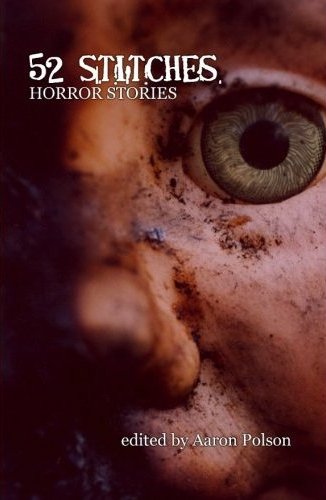
I have just three publication credits. The first was in 52 Stitches, Vol. 2. The publisher, Aaron Polson, essentially put Strange Publications to bed—at least for the time being—when this anthology was published. But this book is still available, and I promote the hell out of it…because I want people to read my work! “By the Firelight,” my story in this anthology, is a mere 457 words, but I still want people to read it. It doesn’t matter that the publication is inactive or perhaps permanently closed, because I like my story and, in my opinion, I owe it to myself to promote it.

My second published work, “Goddamn Electric,” was in The Zombie Feed, Vol. 1. I’ve sent out copies for review, I’ve posted about it here on this blog and on the Shock Totem blog. I will continue to do so as long as it’s available.

I’ve done the same thing, and will continue to do so, with Epitaphs: The Journal of New England Horror Writers, which contains my story “A Deep Kind of Cold.” In a certain, roundabout way, I’m promoting my work right now.

Which brings me to the revelation of things…

Since that first issue of Shock Totem came out in 2009, I’ve been asking myself should the author support the publisher? Again, the answer is debatable. But few would argue that an author shouldn’t promote his own work, right? And in promoting his own work, is that not, therefore, supporting the publisher? Is there a difference between promoting your own work and supporting the publisher?

I’m no longer sure you can have the former without the latter, but I know what I’m going to do. Always.

Editor’s Note:

Wood makes a lot of valid points. A creative person does look ahead, but to become well-known or even known, they need to promote their work. By authors’ promoting their stories, they are promoting the publisher of their work. How hard is it to write a Facebook status update or a tweet about your story being in an anthology, magazine, etc.

Wood promotes his magazine and any anthology his stories appear in. He does this through his website and his different twitter accounts. He also attends different conventions and fairs too. He will be at the NEHW tables at the Queen City Kamikaze Convention on Feb. 18 in Manchester, New Hampshire.

Joss Whedon’s Cabin in the Woods Looks Like Every Horror Movie (You’re Gonna Love It)

This article originally appeared on Wired.com.

Joss Whedon’s Cabin in the Woods Looks Like Every Horror Movie (You’re Gonna Love It)

by Angela Watercutter

The new trailer for the Joss Whedon-produced film The Cabin in the Woods comes stamped with the very evocative message “You think you know the story….” It’s a tease of the best kind because the fact that the first trailer looks like every horror film ever made is what makes it look so freaking awesome.

The movie’s premise is simple: A group of friends go to a very remote cabin in the woods for a weekend of fun. The group (lead by a pre-Thor Chris Hemsworth) gets a little lost, but then the semi-friendly owner of a dilapidated country store helps them find their way to their decidedly freaky-looking shack.

Then, get this, the store owner says, “The lambs have passed through the gate. They’re come to the killing floor.” Things proceed to go wrong — very, very wrong (and very weird). Marilyn Manson’s “I Put a Spell on You” (from the Lost Highway soundtrack, obviously) is playing in the background. It’s so on-the-nose it’s really hard not to feel like you’re watching it at a junior-high sleepover.

But this is a film co-written by Whedon with Cloverfield/Lost/Buffy the Vampire Slayer writer Drew Goddard, who also directed the movie. All the predictability feels very intentional, and it’s hard not to imagine that when things get even worse for your pretty young things that there will be great horror moments of the highest order (our guess is that the hot doctor from Grey’s Anatomy — Jesse Williams — eats it first). Also, there are some unexplained shots of a mission-control-type place — the kind of high-tech headquarters that typically aren’t seen in your run-of-the-mill horror flick.

There will also be plenty of tongue-in-cheek lines like, “We have to stay together,” and lots of winks to the audience. We’re counting on the stoner friend to be the narrator who points out all things intentionally over-the-top.

And since it’s a Whedon-and-Goddard production, we’re also expecting the third act to be more surprising than even this twisted teaser lets on. As the trailer notes, you might think you know the story, but “think again.”

The Cabin in the Woods hits theaters April 13, 2012.