A Promise of Violence

VOYANTS: The Promise of Violence in Seeing and Being Seen

by Bracken MacLeod

What I apprehend immediately when I hear the branches crackling behind me is not that there is someone there; it is that I am vulnerable, that I have a body which can be hurt, that I occupy a place and that I cannot in any case escape from the space in which I am without defense—in short, that I am seen. – Jean-Paul Sartre, Being and Nothingness

________________________________________________

Every story I read or write involves a promise. It is the pledge that an author makes to the audience that they will be rewarded for their faith in the story. In romance, the promise is love. Mysteries guarantee the satisfaction of the unraveling of a puzzle. In horror, the promise that the writer makes to the reader is the he or she will evoke fear.

I understand the attraction of “subtle” and “atmospheric” tales; well done (and how I love them when they’re well done), they can produce a wholly satisfying sense of fearful dread. But I’d also say that even in atmospheric horror, the dread the reader feels is the result of the promise of what is being subtly revealed. And that pledge is exactly the same as it is for extreme horror. The deepest root of fear is the threat of violence. Just because someone doesn’t have whip welts on their back don’t think there hasn’t been violence. That is to say, all horror assures violence of some kind: physical, psychological, spiritual, etc. Without it, what have you got? A ghost isn’t scary merely because it is a ghost. Neither is a man holding a knife. Both must offer something to the reader to evoke fear.

To expand on an example given by Alfred Hitchcock, a bomb underneath a table is more terrifying if the people in the café carry on their conversations unaware of its presence while we, the viewers, know it is there. But the bomb is only frightening in the first place if three conditions are met. First, we must understand the underlying concept of a bomb. Since most of us possess an understanding of a bomb’s only purpose (destruction), we can leap into the conceptual future and imagine the result of the ticking timer reaching zero. The second condition is the story-teller’s willingness to make us believe that the device might actually go off. If we know the bomb’s a dud or the hero will always defuse it at the last second, it is simply not scary. Finally, and most importantly, is our ability to put ourselves in the place of people in that setting—to be present at the table with violence and death. Fear exists is the moment of transformation from the known to the lived—bridging the gulf between academically understanding danger exists and being in danger. Thus, the sine qua non of good horror, as I see it, is the transformation of the reader from subject (i.e., conscious observer) to object (i.e., victim).

In a horror story we want the babysitter to hide because we are vicariously experiencing events from her perspective.[1] As long as she remains an observer hidden from view behind slatted closet doors, the tension dissipates and we relax. Until she is discovered. The scariest scene to me in John Carpenter’s Halloween (to stray again from the written word for a moment) is when Laurie Strode believes she has defeated the Shape and collapses in the doorway of the bedroom from which she has just escaped. Behind her, perfectly silent, Michael Myers sits up and turns his head toward her … and keeps going all the way toward us. In this subtle breaking of the fourth wall, Carpenter assures us that being seen is the onset of violence.

Halloween

Let me give a more concrete example. My wife and I are what I like to call shoe-leather tourists. That is, we like to see the cities we visit on foot, moving between neighborhoods without mediating our experience from behind the barrier of a cab or a rental car window. On a trip several years ago to Salvador, Bahia (Brazil), however, we were told that we could we not walk the neighborhoods between the hotel and the historic district without endangering ourselves. The hotel concierge assured us also, once at our destination, that we should stay on the main thoroughfares. As long as we could see shop signs, he explained, we were reasonably safe. Wander down a side street, however, and we would again be taking unnecessary risks with our well-being.

Taking his advice, we stuck to the main streets. But it is impossible to move in a city without at least passing those side streets. And it’s just as impossible (for us, anyway) not to look up them, curious what wonders or terrors await. Passing by a narrow alley in Cidade Alta, the Upper City, we paused. Half way down the alley, three men vigorously kicked and beat a fourth who lay motionless on the ground. It was a sobering experience until one of the men administering the thrashing looked up from the object of his wrath and made eye contact with me. Then the promise was made and it became a terrifying experience as I became an object in the gaze of another.[2]

Reflecting upon that moment, I came to understand in a visceral way (the known becoming the lived) the existential horror of a shift of perception. Years later and thousands of miles away, those men are still present with me. I’d had a direct experience dreading the shifting gaze of The Other. What was scariest about Salvador wasn’t its reputation for violence, but rather the actual in-context promise of it. The difference between being and not being a body in an alley for me was merely a matter of shifting observations and the promise of what may follow upon.

That experience, has helped me truly understand the blurring of lines between the observer and the observed and between voyeurism and engagement. Emotional and psychological detachment from someone else’s suffering—what Michel Foucault would call the “medical gaze,” the dehumanizing separation of the patient’s body from the patient’s identity—is anathema to good story telling and the frequent problem with all bad story-telling, extreme or atmospheric horror or in between. The beating heart of fear is found at the point where the wall between knowing and experiencing comes crashing down, leaving the observer exposed.

And it all begins with a look. I promise.


[1] The observer who identifies with the monster is either missing the point or is in it for a different kind of titillation.

[2] To finish the tale, we fled and found a sympathetic policeman with a smattering of English (not an easy task on either count) as quickly as we could, doing our best to describe what we saw and where we saw it before going on with our vacation.

‘Dallas’ Stars Excited for New Series

‘Dallas’ Stars Excited for New Series

By Jason Harris


Dallas stars Jordana Brewster and Julie Gonzalo. Photo by Jason Harris.

Dallas stars Jordana Brewster and Julie Gonzalo. Photo by Jason Harris.

Dallas is set to return to television Wednesday night for a new generation to learn about the Ewing clan.

Jordana Brewster (The Fast and the Furious) and Julie Gonzalo (television series Veronica Mars), two of the stars of the new series, recently came to Boston to promote the show.

Gonzalo said they were excited about the new series and shooting at Southfork.

“I don’t think it has set in that it’s such a big deal until now when the shows about to roll out,” Gonzalo said.

The original Dallas debuted in 1978 as a five-part mini-series and ran for fourteen seasons until 1991 on CBS.

Brewster and Gonzalo didn’t watch the original series until they got the job in the new one, they said. They have watched three seasons so far.

“We weren’t born when it came out,” Gonzalo said about the original Dallas.

They weren’t born until the third and fourth seasons came out. Brewster was born in 1980 and Gonzalo in 1981. Another obstacle to watching the show was the fact that they weren’t living in the United States.

“I grew up in a different country until 1990,” Gonzalo said.

Gonzalo and Brewster were living in Argentina and Brazil respectively.

The “beauty of the show” is the fact that you can see where these characters are 30 years later, which “no other show has ever done,” Gonzalo said.

The new show gives people a chance to see how the Ewings’ children turned out, Brewster said.

“Cynthia [Cidre] wrote an amazing script with great, well-crafted characters and many, many twists and turns so it was heavily plotted … ,” Brewster said.

Audiences will see for themselves tomorrow night at 9 p.m. on TNT. The first season has ten episodes. The pilot was shot in April 2011 while the rest of the season was shot between last October and this past February, Brewster said.

The shows’ stars are contracted for six seasons, which is standard for a television contract, Brewster said.

Gonzalo said it’s up to the audience and how it is received if the show continues past the first season. She said that after the season wrapped Patrick Duffy kept saying ‘only 13 more to go.’

Brewster said Duffy has “the Midas touch” when it comes to working on television.

Gonzalo thinks in Duffy’s entire television career he has only been unemployed for two months, one month between The Man from Atlantis and Dallas and another month between Dallas and Step by Step.

When asked about Duffy, Larry Hagman, and Linda Gray, the original stars of Dallas, Gonzalo said Duffy is like their dad, Gray like their mom, and Hagman is like a “funny uncle.”

Hagman, who “has had such a colorful life,” had the best and greatest stories, she said.

“We had a sense of family the minute we all met,” Gonzalo said.

Dallas starts Wednesday night with a two-hour episode airing on TNT at 9 p.m.

Editor’s note:

To read Stacey Longo’s review of the new series, click here.

‘Safe House’ Screenwriter Talks about His Heroes and His Movie

‘Safe House’ Screenwriter Talks about His Heroes and His Movie

by Jason Harris

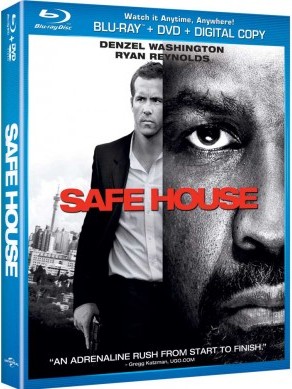
What do actors Denzel Washington, Ryan Reynolds, and Nicolas Cage and directors Simon West and Antoine Fuqua all have in common? They all have worked on projects written by David Guggenheim.

Safe HouseGuggenheim’s first screenplay, Safe House, was just released on DVD this past Tuesday. This was his first spec script sold.

“I got spoiled with this one.”

According to Guggenheim, a spec script is a screenplay written by someone who is not getting paid for it.

“You can spend a year of your own time and still not get paid. But the good news is that you have a fully completed script as opposed to a pitch where you go in with a sort of broad idea. This is a good way of packaging your whole story.”

The screenplay was sold in February of 2010, which was two years and a day before it was released in theaters, Guggenheim said. It took him about three months to write it.

“I was running out of time. I had a kid literally coming around the corner. If I didn’t sell something I wasn’t sure if I would be able to sustain a full-time job and full-time family and a writing career.”

If a screenwriter is living in New York, a spec script is the way to break into Hollywood and get people excited, he said. He had been writing them for 10 to 12 years before selling his first one.

“I couldn’t even process what was happening,” Guggenheim said about the sale of his first screenplay.

According to Wikipedia, Safe House was Washington’s second highest grossing movie to date. Guggenheim is “really proud of [his movie].”

“I didn’t think it would make $40 million opening weekend. I’m happy people liked it.”

He believes Washington was the first one cast in the movie and Reynolds was cast second.

“I can’t imagine anyone else doing it,” Guggenheim said about Reynolds portraying Matt Weston. “I think you see a totally different side of Ryan that you don’t usually get to see.”

Guggenheim has been inspired by a number of Hollywood writers such as Robert Goldman, Robert Towne, Lawrence Kasdan, Shane Black, and Joss Whedon. He considers all these writers, “character driven writers who have written huge action movies.”

“All these guys are amazing teachers.”

He considers Shane to be living the writer’s life, whom he considers a person who went off to write his own movies, which started with Lethal Weapon.

“I like that his scripts are his voice,” he said about Black, who is “generating new original material.”

Whedon’s name came up because Guggenheim had recently seen The Avengers, which he considers “incredible writing.”

“This is writing you try to achieve.”

The advice to would-be writers is always “write what you know,” he said. He claims he “doesn’t really know that much.” He does have five movies from the 1970s that have inspired him. Those movies are Three Days of the Condor, The Parallax View, Marathon Man, All the Presidents’ Men, and The Conversation, which Guggenheim considers “incredible.”

His advice to writers is to “keep writing.”

“If one script doesn’t work for you, it doesn’t mean you are not a good writer. That script had issues. Learn from that and keep writing. Just don’t give up.”

Guggenheim has worked with Tony Scott and Ron Howard and is working with McG right now, but would love to work with Stephen Spielberg, he said. He loves working with other writers too.

“Those are my idols,” he said, referring to other writers. “I get much more nervous about meeting writers that I have been following then, like, the biggest director in Hollywood.”

This screenwriter doesn’t have any other aspirations other than to write.

“I would prefer just sitting in a room writing …”

Along with his next movie Stolen, which is in post-production, directed by West and starring Cage, he is co-writing a novel, Exile, with his friend, Nick Mennuti, which will be published by Little Brown.

This article appears on the DVD Snapshot website.

Author Robert J. Duperre Talks about Zombies and Writing

Author Robert J. Duperre Talks about Zombies and Writing

by Jason Harris

Zombies are still lumbering around in pop culture after since George Romero’s Night of the Living Dead arrived on the silver screen in 1968. Romero is considered to be the father of all zombie movies. They can even be seen on the small screen thanks to the AMC series, The Walking Dead. The Resident Evil zombies are still finding success on the big screen and the next incarnation, Resident Evil: Retribution, arrives in theaters this year.

Zombies are so popular that a London-based game developer, Six to Start, has created an app that has merged fitness and zombies, “Zombies, Run!”

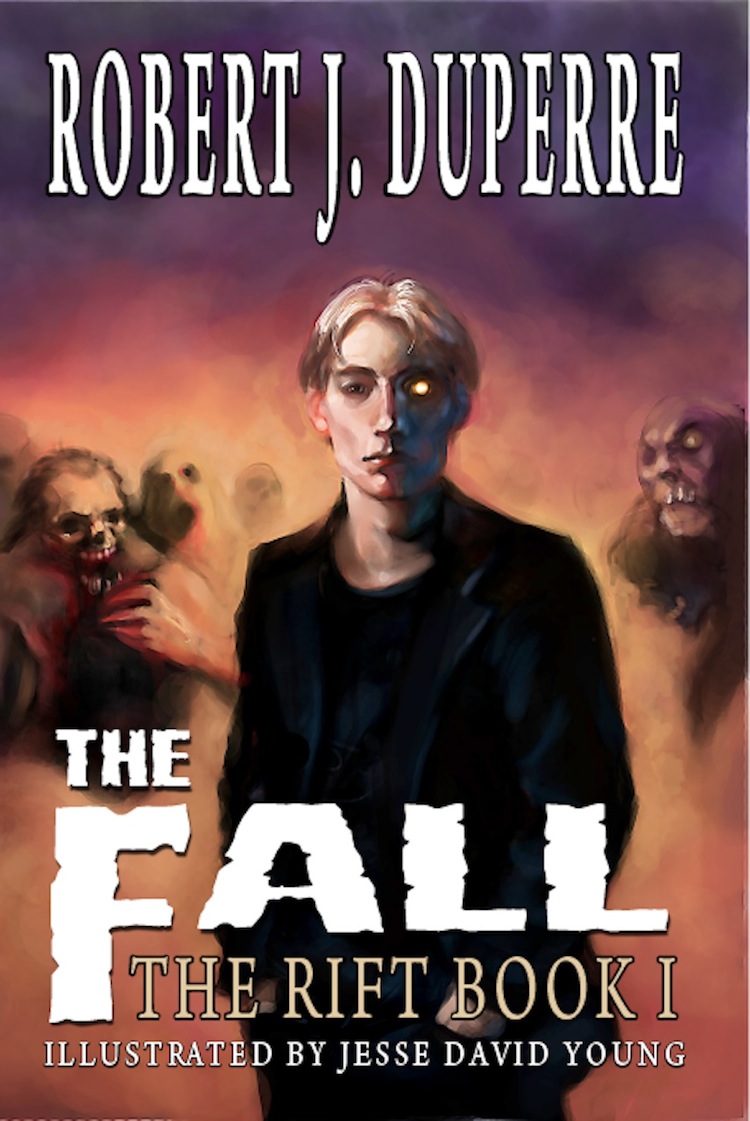
Author and New England Horror Writer member Robert J. Duperre is continuing to give zombie fans their fix with his four-book series The Rift, which opens with a zombie apocalypse triggered by an evil buried deep in a Mayan ruin in the first volume, The Fall, the three books that follow are Dead of Winter, Death Springs Eternal, and The Summer Son, which is due out in July.

The Fall: The Rift Book I

The Fall: The Rift Book I

In his series, the origin of the apocalypse is the Mayan Ruins, which he chose because of the fact “the Mayans were so advanced, not only for their time, but for all time.” Even with their advancement, Duperre considers the Mayans as “somewhat primitive.”

“In that way their culture sort of mirrors our own—complex and sophisticated, yet clinging to some rather archaic ideals.  So what if the same mysterious events that brought down their culture brought down our own?  Poetic justice, right?  Yeah, a bit of a stretch I know, but trust me, it works in my head.”

The author wasn’t planning on The Rift being a series. He thought it would be a simple zombie tale.

“It was supposed to be a humorous novella.”

Once it was over 400,000 words, he decided to split it into four books and completely rewrote it.

“The story had already been sectioned off into seasons, so I figured that was as good an idea as any to act as natural segues between volumes.  The only problem is the first three books all end in cliffhangers because of this, which I’m sure can be a little irritating to readers.”

Duperre thinks there are “a couple of layers” to the zombie-apocalyptic trend.

“For me, [zombies are] the perfect tool for storytelling—they represent humanity in its most primal form, in many ways reflecting conventional and homogametic nature of our culture,” Duperre said. “Literature in the zombie genre forces a return to the basics by the survivors, in effect exploring that which made them human in the first place.”

He assumes the zombie-apocalyptic trend is popular because people are “obsessed with being scared, and nothing is as frightening as the prospect of the end-of-times.”

“A zombie apocalypse is, strangely enough, the most convenient and readily available outlet for that kind of fantastic exploration.”

He has never seen this “particular scenario play out before,” which he figured was a good point in his favor. This allowed him “to move away from traditional zombie lore and present some different scenarios and outcomes.”

Duperre considers his endeavor with The Rift series risky and knows he has annoyed more than one reader by straying from the typical zombie formula.

“I’m happier doing things my own way than sticking to a script someone else wrote.”

There are some prevalent motifs running through Duperre’s series such as isolation, personal tragedy, and social injustice, which he considers “the single greatest theme” that runs through all four volumes. The social injustices that he tackles are the treatment of women and the complexities of race relations.

“At heart, I’ve always considered myself a progressive and a bit of a social activist, and this series allows me to explore these themes in a no-holds-barred manner, sometimes disturbing manner.”

Duperre’s work has been influenced by a number of writers throughout his career including Clive Barker, John Skipp, Stephen King, and George Romero, whose original Dead trilogy is “the single biggest influence” in his life.

“It was the first time I realized that monsters could be used as metaphors, and I ran with it,” Duperre said. “Clive Barker has also been a huge influence, in particular his fascination with the concept of worlds within worlds. Though you certainly can’t write a good book without talent, the style any writer develops is always dependent on the authors they’ve read and loved over the span of their lifetimes.  I’m no different, and to all the writers who’ve spurred me on over the years, I say a great big thank you.”

The Rift series is a collaboration between Duperre and fellow NEHW member, artist Jesse David Young, who has done all the series’ covers.

They had discussed as far back as 2006 about Young doing illustrations for him, but nothing came of it. Three years later in the summer of 2009, Young called about working on a comic book they could pitch to DC comics. Duperre was working on final rewrites on the first book in the series and asked Young if he wanted to do what they talked about so long ago, he said.

“We’ve been working together ever since, and it’s been one of the most rewarding experiences of my life.  It’s nice to have a partner to share in the stress, after all.  I wouldn’t have been able to get as much work done as I have without him by my side.”

His series is self-published, which allows Duperre to take risks, but not something he couldn’t have done through a traditional publishing company, he said. He doesn’t hold any “real love for self-publishing” since “it’s difficult and time-consuming.”

Duperre considers self-publishing “a means to an end” and doesn’t think he would be where he is today without it. He thinks the changing publishing world is “exciting and dangerous at the same time.”

“For the release of a book to be as simple as a click of a mouse, the possibilities are endless for success and failure. I experienced a bit of both.”

Duperre rushed The Fall to publication which resulted in the release of a poorly edited book, he said. It was full of plot holes, which he had to go back and fix post-publication. The same mistakes happened with Dead of Winter, but to “a lesser extent.”

“Thankfully for me, my sales didn’t really start to take off until after they were fixed which is a very good thing.  It could have ruined my reputation something fierce had the lesser-quality work taken center stage.”

He considers this a huge problem since there are a lot of books on the market that are not good. These books are lacking “plot and characterization, are poorly executed, or simply put out there by someone who doesn’t have a clue about how to write.”

These problems have created a stigma for being a self-published author “that is rightly deserved.” This stigma has even put more pressure on authors like Duperre, he said.

“I need to work extra hard to make sure the work we put out is of professional quality, is edited, and cohesive.  It’s a good thing I enjoy doing this, otherwise I might have walked away by now.”

Along with writing his zombie series, Duperre has published two anthologies, The Gate: 13 Dark and Odd Tales and The Gate 2: 13 Tales of Isolation and Despair. The first one was released in November 2010 and contains stories by him and a few writer friends. Each story contains an illustration by Young.

“After [the first anthology was released], I thought it would be a novel idea if the anthology became a yearly/bi-yearly event.”

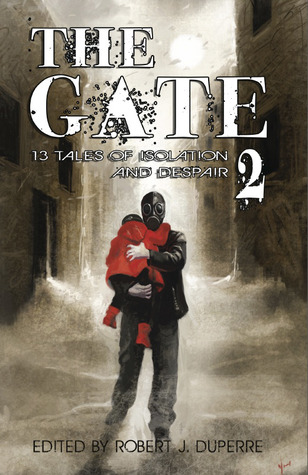
The Gate’s sequel was released this past February. It contains stories from K. Allen Wood, David Dalglish, Steven Pirie and Mercedes Yardley.

The Gate 2: 13 Tales of Isolation and Despair

The Gate 2: 13 Tales of Isolation and Despair

He wants to publish a third volume next February entitled The Gate 3: 13 Creature Features.

“The goal is to have it be an actual paying anthology this time around, featuring some of my old-time and new favorites in horror and dark fantasy. I’m not entirely certain if I’ll be able to pull it off given the state of finances at the moment, but I’m dedicated to it, and I’ve found over the years that if I’m dedicated to something, I somehow find a way to pull it off.”

Duperre has been writing since childhood, he has been “obsessed” with it from “the process, the imagination involved, [and] the outcome.”

 “My high school term papers were behemoths, and I decided that my life’s goal would be to teach English and write novels for a living.”

Life did get in his way back in his early to mid twenties until Jessica, his wife, told him to pick up his pen again. There would be “a gigantic hole” in his soul if he wasn’t writing, he said.

He began a website, Journal of Always, back in 2009 with the idea he would blog about what he thought was important, what bothered him, and maybe even discuss his own experiences during the writing process. It didn’t happen that way though, he said.

“I ignored it for far too long and eventually it was all but forgotten. Then, halfway through 2010, I decided I would start reading my fellow self-published authors and use the JOA as an outlet for reviews.”

The website has progressed nicely for the past two years until the past few months of this year when he had deadlines looming on other projects.

“I haven’t posted a review since February, even though I have a backlog of more than fifteen to write.”

He plans on adding more reviews soon.

Duperre’s advice to up and coming writers is the same as what other writers like King has told people. It is too read and write. He also goes farther and adds a person has to edit and rewrite too. A writer also has to “be open to criticism.”

“The only way any artist improves is by trial and error.  There is no first draft of any book that is fit for publishing.  Make sure you realize that and learn everything you can before putting yourself out there.”

Here is Duperre’s bibliography:

April 2010 – The Fall: The Rift Book I (novel)
July 2010 – Feeding the Passion (short story), Darker Magazine #2
November 2010 – The Gate: 13 Dark and Odd Tales (collection)
November 2010 – The One That Matters (short story), A Land of Ash (edited by David Dalglish)
December 2010 – Dead of Winter: The Rift Book II (novel)
June 2011 – Silas (novel)
September 2011 –  Chorus (short story), Dark Tomorrows, Second Edition (edited by J.L. Bryan)
October 2011 – 39 Days (short story), Unnatural Disasters (edited by Daniel Pyle)
December 2011 – One Good Turn (short story), Shock Totem Holiday Issue
January 2012 – Death Springs Eternal: The Rift Book III (novel)
February 2012 – The Gate: 13 Tales of Isolation and Despair (collection)

Duperre will be at the NEHW booth at the South Windsor Strawberry Fest on June 16 in Nevers Road Park , South Windsor, CT. from 9 a.m to 5:30 p.m.

Just Learn How To Do It Yourself

Just Learn How To Do It Yourself

by Rob Watts

Remember the old sayings “If you want something done right, you have to do it yourself” and “don’t pay someone to do something that you can do on your own?” Well those sayings are especially true when it comes to authors in today’s rapidly changing publishing climate. In this ever-expanding technology age that we’re living in, it almost seems senseless to me to even bother seeking out a publishing company to release our work. With all the resources readily available to us, there is no reason to take 100 percent control of the work you slaved over. After all, you gave up your free evenings and weekends, missed out on get-togethers with friends, perhaps broke up with girlfriends/boyfriends, wives/husbands in order to express your inner-workings on pages upon pages of your masterpiece. Why turn it over to anyone (except perhaps Random House or Harper Collins) when you can do a far better job at it? Of course, you might be working with a traditional publisher at the moment and could be perfectly happy with them. That’s awesome. If you’re not happy, read on.

I understand the appeal of seeing your name in print within a book which was released by a “publishing company” but I must point out that what most of these small presses are doing is profiting on your work while you get the short end of the stick. What the small genre presses do, between performing a half-assed editing job, hiring their buddy to do the cover art, printing copies and posting it to Amazon is the same thing you can do, only you can do a better job and guess what? You profit from the book sales, not them. By the way, just placing a book on Amazon and having it “listed” on B&N doesn’t count as full book distribution. Many small presses seem to think that’s the case but trust me, it’s not. Again, that’s something you can do yourself. Also, be cautious of publishers of anthologies. Or more to the point anthology mills. These are publishers who have very little credibility but they are seeking credibility by bulking up their publishing credits by churning out crappy collections one after another. They accept short stories from unsuspecting authors and give them very little in return, if anything at all. I’ve seen them all before, the editing is poor, the selection process is questionable, there is hardly any kind of distribution efforts and almost all the time, the publisher of that said anthology conveniently has their story included within the collection. Of course not all anthology publishers are sinister. But it’s like anything in life, for every pile of coal you stumble upon, you have to search hard for the diamonds.

If I can pull the curtain away from the wizard for just one moment, I’d like to point out that 99 out of 100 authors have the dreaded day job to contend with (even ones that you think have it made.) None of us by any means are rich and famous due simply to our writing craft (I can’t stand it when writers act as if they make their living off their books.) But even if we don’t find immediate fame and success with our writing, we shouldn’t be taken advantage of along the way from point A to point B. Having your work published under the imprint of anyone (other than the last of the big six publishing companies) is only costing you money in the long run. Unless of course you don’t mind only being paid in the form of one author/contributor copy and maybe if you’re lucky, a few pennies for every copy sold. As I mentioned above, you put the time into it and agonized over your story. Isn’t it worth a little more time to learn the new-school methods of independent publishing? Even though there are some reputable and highly regarded small presses out there, unfortunately for every one of those there are a thousand hucksters who will rip you off, devalue your work and never lose an ounce of sleep while doing it.

As I write this, there is an unsettling amount of bad word-of-mouth over an unfortunate non-fictional character named Anthony Giangregorio. He is the owner of Open Casket Press and Undead Press and has allegedly taken advantage of newcomers to the publishing world by way of mistreatment, misrepresentation, broken promises, less-than-crafty editing tactics and poor royalty delivery. I won’t dwell on that but it does illustrate my point immensely that you have to be careful and protect yourself from these sort of people.

Which brings me to my original point. Take a bigger chance on yourself and give your work the attention it deserves. It’s not that hard to create your own imprint to publish under. I’ve been doing it for years and quite frankly, I’m not interested in turning my work over to anyone for peanuts just to pad my bibliography resume’. My work is too valuable to me and every word I write means something. That’s not egotistical, it’s simply how I feel about something that I spend my free time doing. It should be just as important to you to not throw your work on just anyone’s lap. I had the misfortune of working with a couple of small traditional publishers in the 90s who in all seriousness left me with nothing but my underwear. I was intent on avoiding that experience again and decided to cut out the middleman by creating my own company to publish under. Self-publishing (or independent publishing) is no longer a dirty word. Just ask a very talented Canadian author named Cheryl Kaye-Tardif who recently self-published Children of the Fog last fall and has thus far made $47,000 in book sales from Kindle alone. Her print edition sales have been rather spectacular as well. Independent authors, with a little research and patience, can achieve greater heights more than ever in today’s consumer age. Without giving a seminar on the subject, I’ll just share with you a handful of things to keep in mind when setting out to go it alone. They seem like no-brainers but believe me, I’ve seen people crash and burn because they were lazy about self-publishing.

1- A catchy company name. Not one that screams self publisher. If your name is Joe Schmoe, don’t call your company Joe Schmoe Publishing. Perhaps come up with a name that revolves around your subject matter or genre. Be sure to register a dot-com site (avoid dot net if possible) for the company as well. Don’t rely on the freebie sites. look professional. be professional. Make sure that your website looks occupied. Keep it updated so a visitor doesn’t think you’ve abandoned ship. Especially if you are selling books from your site. Make it inviting looking so a potential customer isn’t afraid to click that Pay Now button. One more thing, don’t clutter your pages up with unnecessary nonsense. Keep it clean and simple. Less is more. More is a bore.

2- Kindle and Nook are great supplements, but you’ll want print copies of your work if you are releasing a full-length novel, etc. After all, no one ever said “when I grow up, I want to be a writer and see my name in print on a digital e-reader.” Research a quality printer. Find one that will print small runs of 50 to 100 copies per order. Yes, it’s a little costly to pay upfront for your books, but if you truly believe in your work, you will invest the time and energy it takes to sell books and recoup your initial investment. When you need reprints, they will be far less expensive because the layout, design and initial process has been done already. Usually you can find a printer who will print your books anywhere between 3.20-4.75 per unit. If you price your book (depending on size) between $10.00-$20.00, well you’ve made a nice profit for yourself. That’s much better than getting .73 cents per copy from a blood sucking publisher.

3- How much of a profit you make on the sale of each book depends on where you are selling it. There are several avenues one can take. Amazon, of course, is the first logical choice, especially with the advent of CreateSpace. I know I listed a success story above regarding Amazon and Kindle but I must point out that you simply cannot rely on the click and publish websites as your only source of bookselling. The chances of someone buying Stephen King’s new book and then seeing Joe Schmoe in the “People Who Bought Stephen King also bought Joe Schmoe” section are slim to none (and slim just left town.) Amazon and Barnes & Noble take a hefty cut from the sale of your (print) book so it’s worth it to get creative on how and where you sell your books. How well you promote yourself and your work is a large factor too. Ask yourself, has your publisher promoted you or your work to the best of their ability or to your liking? Probably not. Can you do a much better job? Probably yes. By the way, if you’re fortunate enough to have someone land on YOUR website, why would you want them to click a link that directs them to another site (such as Amazon?) You’ve got them so keep them. let them buy directly from you and while they are there, perhaps they will sign up for your newsletters, follow you on your social networking sites, etc. Don’t turn your book buying audience over to the corporate monsters if you don’t have to.

4- If you are going to maintain and control your inventory of books, as I do (I buy my inventory up front and control where, when and how it’s sold) then right off the bat you’ll want to make sure your website is e-commerce ready. If not, set up a PayPal account. It’s a simple process and you can cut and paste your checkout buttons right onto your site. Everyone uses PayPal today so when they see their logo in the Buy Now section, they will feel a level of confidence in purchasing your book(s). The only caveat to this is that you can’t afford to be lazy when it comes to being your own distributor online. If someone spends money on your book, you had better package that book up nicely and get it to the post office in a timely fashion. I can’t tell you how many times I’ve bought directly from someones website and got ripped off. As I mentioned above, keep your site updated so your customer feels confident in their purchase.

5- Get creative with how you publish your work. Make it stand out from all the assembly line products that are on the market today. I’m not just just talking about great cover art (although that is important … hire a good designer) I’m talking about standing out and creating a buzz around your work by offering your audience something they haven’t seen or read before. For instance, my last book Huldufolk was limited to only 250 print copies signed and numbered. It included a music soundtrack to the book which was performed by me. It has sold 212 copies since November at $15.99 a copy ($10.00 at events) so I’ve made my initial investment back and am able to put the profits made into the production of the next book. The New York Times Bestseller list isn’t going to be knocking at my door over this, but as an independent seller it’s significant. Whether or not it’s the greatest story ever told is not for me to judge or assume. This is by no means an advertisement for my work. It’s to illustrate the appeal that my book had to a certain book buying audience. I’ll give you another example unrelated to my work. A few years back, a friend of mine sold their book inside of a “writers survival basket” which included the book (on self-publishing), a coffee mug w/gourmet coffee packs, candy, note pads, etc, etc. It sold like hotcakes. So the point is, do something unique with your work. Come up with something special that says “I’m serious about what I do.” These little rinky dink publishers will never put that much thought into promoting your work. You can and you’ll be all the better for it.

I could rattle on-and-on about the various things I’ve picked up on over the years but honestly I’m not writing this to give a lecture on the do’s and don’ts on self-publishing. I’m merely suggesting that anyone who’s been left with a bad taste in their mouth from working with a less-than-reputable publisher should seriously consider doing it on their own. You will be in control of your work, you will become more business savvy as time goes on, you will discipline yourself as a writer because you’ll be aware of what it will take to generate book sales and most of all you will profit more from it in the end. I hate to hear horror stories (no pun intended) about writers being taken advantage of. Hopefully someday these stories will lessen over time, but I’m not prepared to hold my breath that long.

Watts wrote this article for the NEHW and also published it on his LiveJournal site.

Authors Beware of Unscrupulous Publishers

Authors Beware of Unscrupulous Publishers

by Jason Harris

Recently, I found out about the experience of two authors who submitted stories to the same editor and had their stories butchered. One of these authors, Alyn Day, is a member of the New England Horror Writers. Here is Day’s blog entry, http://alyndayofthedead.blogspot.ca/2012/05/suffering-in-silence.html?zx=e7bf7a141b1b1d6b. Author Mandy DeGeit’s account of her experience can be found here, http://mandydegeit.wordpress.com/2012/05/14/when-publishing-goes-wrong-starring-undead-press/.

All new authors should read these posts so they will be cautious when finding a publisher for their work. These two authors didn’t do anything wrong. They were excited to be published and to see their name in print. I understand that feeling. As a journalist, I like seeing my name on an article so I know how these new authors felt when they found out their stories were going to be published.

All authors, new and old, should always find out about a publisher before submitting something to them. By Googling them, you will definitely find out about any kind of problem or horror story about them.

Publishers and editors should know what the word “edit” means. Editing means revising or correcting a manuscript. Basically, an editor is there to smooth out a story, make sure all punctuation and spelling is correct and to make sure the story makes sense and all facts are correct. Editing doesn’t mean adding something or deleting something that changes the stories meaning. And if an editor wants to add or change something then they should be contacting the author to find out if they approve of these additions or deletions.

These two blog posts show an unscrupulous practice a publisher has decided to perform so authors do your research because there are probably more than one shady company doing business out there.


Experiencing ‘Some Guy Who Kills People’

Experiencing Some Guy Who Kills People

by Jason Harris

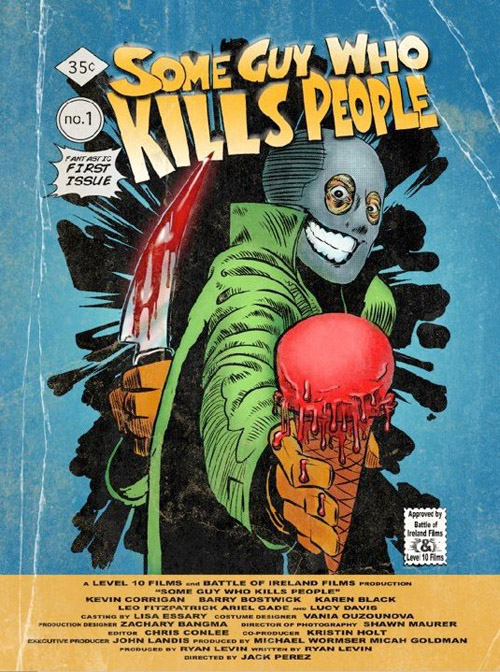
Some Guy Who Kills People movie poster

Recently, I received a copy of the movie, Some Guy Who Kills People. I wasn’t expecting much with a b-movie title like that, but I was pleasantly surprised. The movie is about Ken Boyd portrayed by Kevin Corrigan (The Dictator, The Departed, TV series Fringe and Grounded for Life). Boyd was recently released from Cotton Valley State Hospital, a loony bin, after trying to commit suicide. After leaving the hospital, he returns home to live with his overbearing mother, Ruth, portrayed by Karen Black.

Black tells him as she takes a knife out of his hand that “7 in 10 people try to commit suicide twice.” She replaces the knife with a spoon and says to him, “if you are going to off yourself, you are going to have to earn it.” This is just one instance that could nominate Ruth for the Mother of the Year award.

Ken isn’t only treated badly at home; he gets the same treatment at his job, scooping ice cream, and walking around town. It’s no wonder he wants revenge on the people who caused him problems throughout his life. Everybody who has ever been bullied can feel a little bit of happiness when Ken gets his revenge.

This movie also contains a feeling of family, which I never thought possible in this movie. This sense of family comes about when Ken finds out he has a 9-year-old daughter and she moves in with him and her grandmother for awhile to get to know her father.

Some Guy Who Kills People writer Ryan Levin, whose credits includes an episode of Scrubs, the television series he is a production assistant on, brings as much comedy as he brings violence to Ken’s victims. For instance, the movie’s town sheriff portrayed by Barry Bostwick eats popcorn at a Drive-in movie theater crime scene as he says, “You don’t cut off a man’s head unless you are one angry fella.”

The movie is directed by Jack Perez, who has written an episode of Hercules: The Legendary Journeys and the movies Wild Things 2, Monster Island, and Unauthorized Brady Bunch: The Final Days.

The movie has locked up a U.S. Distributor and a release date hasn’t been finalized yet, Levin said.

When this movie is released, you should definitely take a chance to see it. You won’t be disappointed.

Interview with the Editor of ‘Epitaphs’

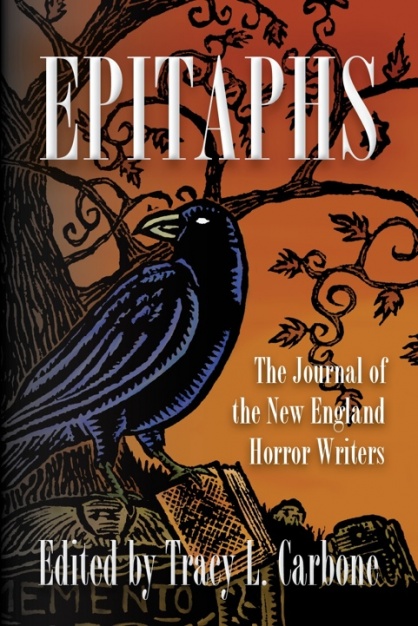
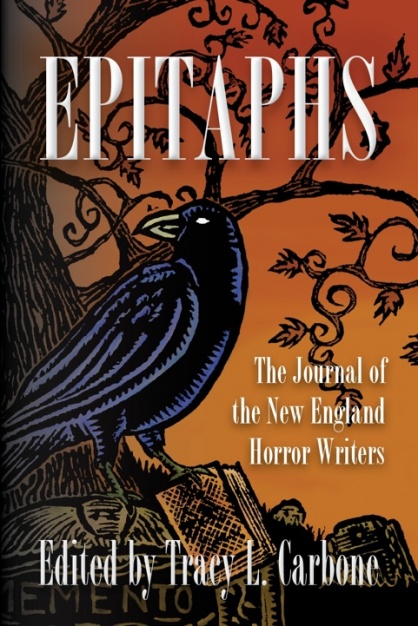
Recently, Erin Underword, a member of the New England Horror Writers organization, interviewed author Tracy Carbone, editor of Epitaphs and co-chair of the NEHW. In the interview, Carbone talks about her experience editing the first anthology of the NEHW and the authors who have influenced her work. Read the interview here.

If you would like to own your own copy of Epitaphs, you can order the paperback here for $12.99 or the e-book here for $4.99.

NEHW at New Haven Craft Show Sunday

The New England Horror Writers and craft shows are becoming synonymous. This trend continues this Sunday when the NEHW participates in the East Coast Craft Fair in New Haven.

The craft show will be held at the Trolley Square Mall on Saturday and Sunday, but the NEHW will only be there Sunday.

NEHW members Kimberly Dalton, Stacey Longo, Kristi Petersen Schoonover, Kasey Shoemaker, Rob Watts, and Nathan Wrann will be there selling and signing their works.

You can purchase Epitaphs, the first anthology created by the NEHW, which includes only stories by members. Longo’s story, “Private Beach,” which is reminiscent of Stephen King’s story, “The Raft,” is in this inaugural collection. This anthology also includes a story by Christopher Golden, who has written a number of Buffy the Vampire Slayer books, and Rick Hautala, the recent recipient of the Horror Writers Association’s 2012 Bram Stoker Award for Lifetime Achievement.

If you saw The Raven starring John Cusack last weekend and are still craving Poe, you could purchase a copy of In Poe’s Shadow, a collection of short stories inspired by the works of Edgar Allan Poe. Schoonover’s piece, “VanityVanity,” which was inspired by Poe’s “The Oval Portrait,” is in this anthology.

If Poe is not your style, maybe you’d like a trip to Iceland with newlyweds Jeffrey and Susie Hill in Huldufolk, which is based on Icelandic folklore, written by Watts. Along with the book, he is giving away a copy of The Traffic Lights CD, the band in Watts’ book, with each book purchase. Watts composed the music for his fictional band.

If you are a New Haven resident or work in the city, then Silver Vengeance, by Kasey Shoemaker, whose main character is an ambitious chef in one of New Haven’s trendiest restaurants in her urban fantasy novel featuring werewolves, witches, romance, and bloodshed, might be for you.

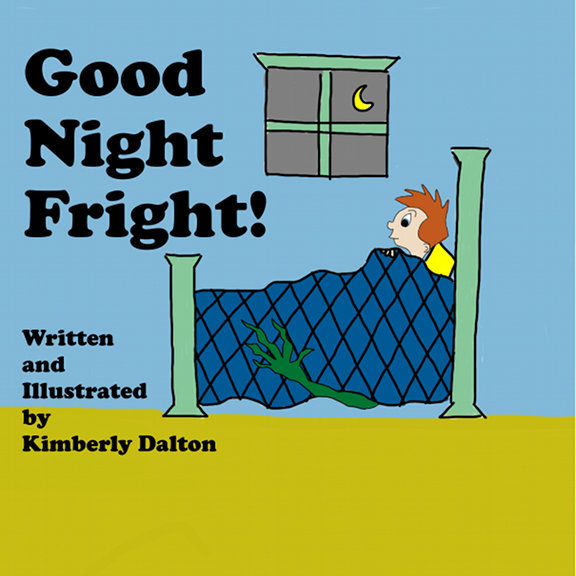
There will also be young adult novels by Nathan Wrann and a children’s book by Kimberly Dalton available.  Wrann will have his first two books in the paranormal thriller Dark Matter Heart trilogy at the NEHW table. In Good Night Fright, Dalton rhyming children’s book, John is afraid to go to sleep so he asks his friends how they handle the monsters in the closet. She also illustrated the book.

The show’s organizers will also have readings by Longo, Schoonover, and Watts in the middle of the mall at different times of the day.

Come hear the readings and stop by the NEHW table where there will be plenty of other books available to buy from these authors in addition to the ones mentioned above.

The craft show runs from 10 a.m. to 4 p.m. The Trolley Square Mall is located at 1175 State Street in New Haven.

Chiller Theatre: Then and Now

Chiller Theatre: Then and Now

By Nick Cato

Although I’ve been going to horror film conventions since 1985, it wasn’t until 1991 when I attended my first Chiller Theatre expo, which at the time was called Son of Horrorthon.  I’m guessing Horrorthon had been the name of an earlier version?  Either way, back then the convention was held in Cherry Hill, NJ, at a small but accommodating campus.  Then they began to grow, and eventually moved to a couple of hotels in Secaucus, right across the highway from Giants Stadium, where they held court until about five years ago, when they wound up in the Hilton Parsippany in Parsippany, NJ, where I’ve just returned from their “2012 Spring Spooktacular.”  Chiller runs two conventions a year, in April and again the weekend closest to Halloween.  While the conventions run one evening and two days, I usually attend on Saturday, meet the couple of guests I’d like to meet, cruise the huge dealer’s room, and then leave.

And here’s why Chiller Theatre—at one time my favorite convention—has come to me doing an in-and-out appearance:

At the aforementioned Son of Horrorthon, while crowded, it was still under control.  I was able to meet a couple of my horror heroes (a particular fan-geek moment goes to my discussion with director Herschell Gordon Lewis and his lovely wife) and get some photos and items autographed FREE of charge.  In the early days of Chiller, guests gladly signed anything for free and happily took pictures.  The talk of the day at the 1991 convention was guest star Butch Patrick, the actor who had played Eddie Munster on the 60s sitcom, The Munsters.  People were openly complaining that he was charging $30.00 for an autograph.  I remember countless people bad-mouthing him for his audacity … and yet 21 years later, this practice has become the norm at both Chiller and Fangoria conventions.

A few years later (mid 90s) you saw guests starting to charge $5.00, then $10.00 for an autographed picture, or to sign your own item.  Most of them usually still had no problem taking pictures with their fans for free.  I didn’t have a problem shelling out the five or ten bucks to meet some of my favorite actors, directors, and FX people, but by the late 1990s, EVERYONE seemed to be charging $20.00 for an autograph … and today the norm is between $20.00 and $30.00.

Suffice it to say, what was once a great, fun time has become a way over-priced event that STILL somehow manages to draw some of the largest crowds this side of Comic Con.

But what’s more questionable than the prices are the majority of the guests: Chiller Theatre is named after an old TV show, where classic horror and sci-fi movies were played late on Saturday nights.  Chiller has since become an anything goes convention: over the past ten years there’s been more former wrestlers and non-genre TV stars than there’s been horror and sci-fi people.  There was even an F-Troop reunion a few years ago!

I’ve been saying for years that Chiller seriously needs to change their name.  While the dealer’s room is still mainly horror oriented (and as far as I’m concerned, the main reason to attend this convention), Chiller’s guest list reads like a who’s who of has-been’s and have never been’s.  “Actors” and “directors” sit at booths selling their cheap, shot-on-video productions, attempting to lure people in with scantily-clad women dressed like Vampirella ; Former wrestlers justify Mickey Rourke’s depressing convention sequence in his film The Wrestler; Former TV stars attempt to show interest in their fans (thankfully most seem interested, but there are many gems, including a certain cast member from Star Trek—charging $30.00 an autograph—who once sat there reading a book as he signed some poor schmuck’s photo); and possibly the saddest of all, self-published writers who have NO CLUE how the business is run, hocking their horribly-edited novels and wondering why no one is stopping by their table.  In fact, aside from Doug Winter and Jack Ketchum (who stopped attending Chiller a few years back), Chiller is simply NOT for horror writers.  It’s a film expo full of people looking to find horror film T-shirts, rare DVDs and theater posters.

I’m often asked, “Why do you still attend?”  There are two reasons: the dealer’s room and the one or two guests they usually have on hand who I find interesting.  As mentioned, Chiller’s dealer room is one of the largest and best of any film convention I know of.  There’s an endless array of horror-related merchandise that anyone can spend an entire weekend browsing through.

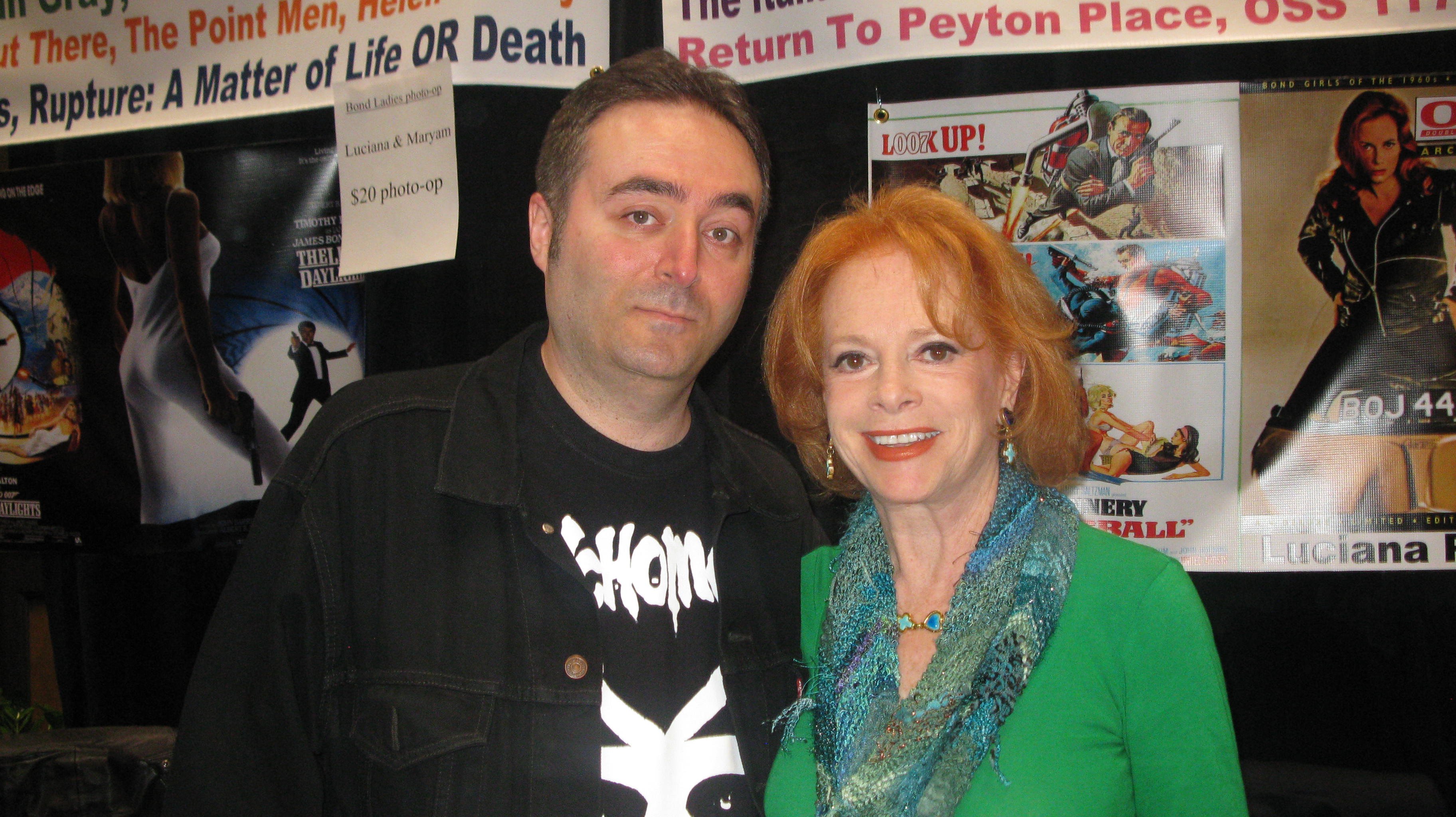
Nick Cato with actress Luciana Paluzzi from the 007 classic Thunderball and the the scifi classic The Green Slime.

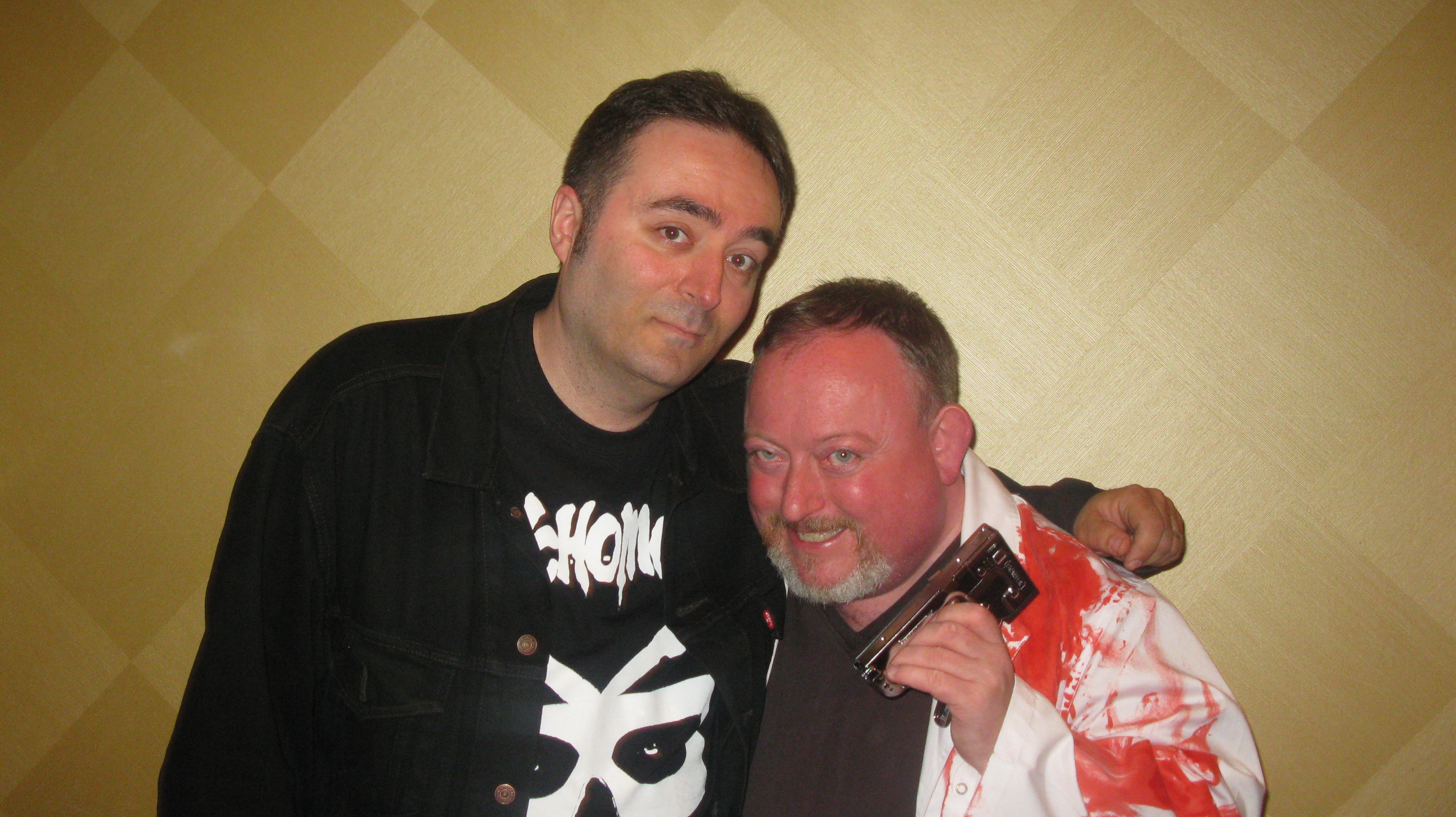
At the latest Spring Spooktacular, I found a couple or films I had been hunting down for some time now, and there were two guests I was interested in meeting.  One was Luciana Paluzzi, the beautiful actress who starred in the 007 classic Thunderball as well as the sci-fi classic The Green Slime.  She was every bit as classy as her on-screen personas suggested. And when she found out I was a fellow Italian, she graciously signed a picture of herself for me in Italian.  It’s personal little things like this that separate the thankful guests from the couldn’t-be-bothered types.  Also on hand was actor Laurence Harvey, star of the controversial The Human Centipede 2.  Not only was he a soft-spoken English gent, he had no problem signing anything you wanted, and even hammed it up by donning the bloody lab coat he had worn in the film.  You’d never believe a man this nice could star in such a depraved film!  It’s rare meetings like this that still make Chiller worth fighting your way through the over-priced crowds.

Nick Cato with actor Laurence Harvey from The Human Centipede 2.

At this particular Chiller, the largest line was to meet actor Norman Reedus, who was there as part of a Boondock Saints reunion, and of course to represent The Walking Dead.  I can’t remember the last time I saw girls walking around with autographs so taken aback by someone … you’d think the Beatles were doing a reunion show.

Being a fan of the low-budget stuff, you get to meet the smaller stars a lot quicker as they rarely have long waits to see them.  Of course there are exceptions: the first time Ken Foree from the original Dawn of the Dead appeared, I think I waited close to 40 minutes to meet him. But the wait was well worth it and I’ve since had the pleasure of meeting him several more times and have even exchanged several emails.

The glory days of Chiller Theater are long gone.  It has become an over-crowded, over-priced convention that is more of a nostalgia-fest than a horror con.  But as long as they keep their amazing dealer room, and the one or two genre guests who grab my interest, I’ll probably continue to attend, even if it’s only to pop-in for a few hours during one of the three days. That is, until every guest jumps on the current trend of “photo ops,” where you have to pre-pay $50.00 to meet with a particular guest in a private room to have your picture taken with them by a pro photographer.  Thankfully only a few of the bigger guests have been doing this, but if it becomes widespread there’s a good chance it will mean the end of Chiller.

Then again, everyone said the same thing in 1991 when Eddie Munster started asking money for his signature …