An Interview with Writer Rod Labbe

by Jason Harris

Rod Labbe has been a freelance writer since 1977. His work has appeared in such publications as Fangoria, Gorezone, Starlog, Famous Monsters of FilmlandMuscle & Fitness, and Autograph Collector magazine. He has written his first novel, The Blue Classroom, which is a ghost story and will be published by Samhain Publishing this coming May. He is currently working on his second novel, which will be published by Samhain in 2015.
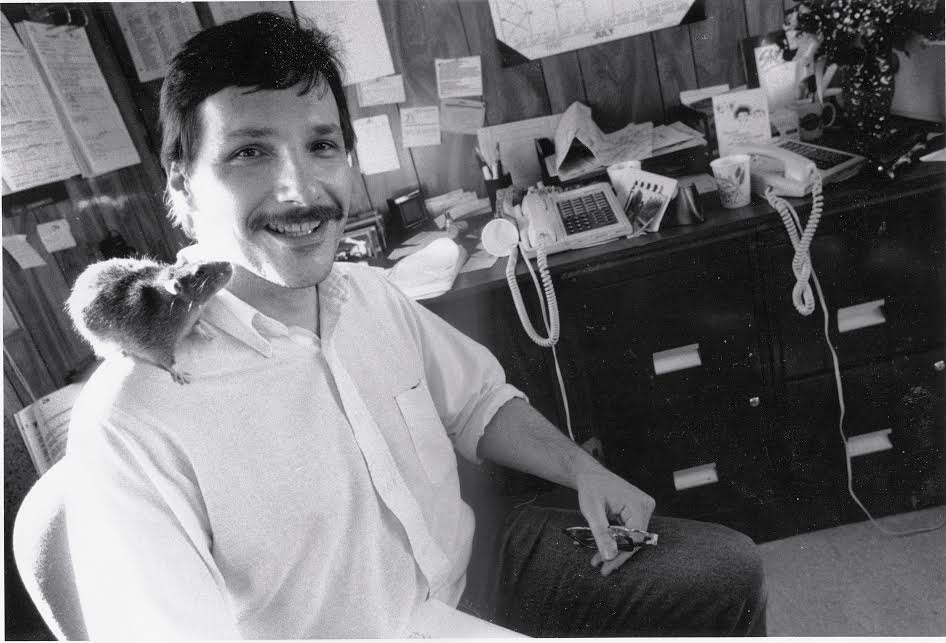
Rod Labbe he set of Stephen King's Graveyard Shift.

Rod Labbe on the set of Stephen King’s Graveyard Shift.

JH: When you started freelancing in 1984, what publications did you write for?

RL: My writing/freelance career actually began in the fall of 1977, not 1984. That’s when I landed a work-study job as a reporter with The University Free Press weekly newspaper (University of Southern Maine). I was a sophomore, totally green, and had never written anything outside of short stories that were strictly for my own enjoyment. What I lacked in cred, however, I more than made up for with dedication, discipline and determination (the “three Ds,” as I call them). From 1977 to 1981, I contributed articles every week to the UFP, ranging from theatre reviews to editorials to sports pieces and pretty much everything in-between. No limits! I also found time to edit the campus literary magazine, The Presumpscot Review, published annually. All of that was great, a wonderful hands-on training ground–even more significant, since I’ve never taken a Journalism course, not one.

I continued this kind of writing (including editing The Maine Review, a literary magazine at the University of Maine) as a graduate student at the University of Maine in Orono. During the summer of 1984, I stepped away from the collegiate environment and submitted work to an outside publication. That was for a magazine called Mainely Local, published out of Central Maine, where I lived. I’d seen an article about it in my hometown newspaper, was intrigued, and gave the editor a call. We met the next day at a local eatery/bar. She told me about her publishing plans–really quite ambitious–and welcomed me aboard as a writer. The one glitch? No pay, just comp copies. That was ok; I realized the exposure and experience would be invaluable. I stayed with them for a year and a half (while in school and also following graduation), sometimes generating articles on my own, but mostly doing ‘filler’ and ‘fluff’ assignments–which I hated.

From tiny acorns mighty Oaks grow, I’ve found. That stint with Mainely Local gave me the gumption to seek out other venues–which I did in March of 1985, two months prior to leaving the University of Maine. That’s when I sent out an interview to MuscleMag International (a bodybuilding monthly) and a short story, entitled “Pumpkin Head,” to Footsteps magazine (small press, non-paying). Lo and behold, both were accepted! And MuscleMag paid me $100! I was on my way!

JH: Do you have a specific writing style?

RL: Hmm. If I had to pinpoint a “style” for my freelancing–which has been and still is 95% non-fiction–I’d say ‘conversational.’ Interviews can be tricky things. A sense of comfortable ease should underscore the dialogue. Almost from the get-go, I settled on a laid-back, conversational style. It serves to present the individual profiled in a ‘down to earth’ manner; the reader will know this is a flesh and blood human and not merely an unreachable celebrity. I must also mention that I do all of my interviews over the phone so what’s transcribed is definitely ‘conversational.’

As for fiction, I’m not sure if I have a “style,” per se. I just write, edit, polish and tweak! Constantly! I was educated in a time when there was great emphasis on sentence structure, good grammar, spelling skills, etc.; therefore, I utilize all of that when I write. I never emulate nor “copy” any other writer; find your own voice–not necessarily a “style,” but it should be something you, as the writer, enjoys wearing like a comfortable sweater.

JH: You have written for genre publications such as Fangoria, Gorezone, and Starlog in the past. What were some of the topics you wrote about or what was the subject of your articles?

RL: Writing for Fangoria was my dream. I can still remember the first issue I ever bought–#9, featuring that great Motel Hell cover, on Friday, October 31, 1980. Yep, Halloween! I sat in my sun-washed dorm room, read the book from cover to cover, and drifted off into reverie. Ah! Someday, I told myself, I’m going to write for Fangoria. But how? I had no cred and no contacts, outside of living in Maine, the same place of [Fangoria’s] patron saint, Stephen King. At that point, I’d only been published by my campus newspaper!

I’m a believer in never letting go of your dreams, and if you pursue them doggedly enough, eventually they’ll become realities. That happened for me in 1986, when I sold my first article–an interview with novelist John (The Legacy) Coyne–to Fango. The next year, 1987, I sold another small piece about Maine author Rick Hautala, who sadly passed away last year. I finally ‘hit it big’ when I landed a star-making assignment: visiting the set of Stephen King’s Pet Sematary (1989), in Maine. That generated four articles and led to more film set visits (all King- related: Graveyard Shift, The Langoliers, and Thinner). Gorezone surprised me, since I thought my interview with Pet Sematary’s director, Mary Lambert, was going into Fangoria. Instead, it ran in Gorezone and scored me my first cover!

The Starlog piece, on Steve Reeves–famous as the cinematic Hercules–was submitted cold, via an e-mail to the editor. After Stephen King’s Thinner was filmed in Maine the fall of 1995, I took a break from Fangoria. Little did I know that break would stretch fourteen years!

My path led back to Fango in 2010. Editor Tony Timpone had stepped down, and a new editor–Chris Alexander, formerly of Rue Morgue–took the reins. I sent Chris an e-mail and introduced myself, which opened the door to my second stint. Chris is great. He’s supportive, energetic, enthusiastic and smart. I have his ear, and that has created a strong bond between us. He’s given me some choice assignments, too, like covering Tim Burton’s Dark Shadows movie and a two-part retrospective on Pet Sematary (currently running). Alas, prior to Chris’ arrival, Fangoria had fallen on hard time, but now, it’s reclaimed the crown as America’s premiere publication dealing with ‘horror in entertainment.’ I’m glad!

JH: Were you always a freelancer or did you work as a staff writer for any of the the magazines that you wrote for?

RL: I’ve always freelanced. In the beginning, I gladly accepted work that was assigned to me and bit the proverbial bullet. That’s all part of the game of moving up on the ladder. Don’t get me wrong, it’s great having the financial security of being ‘on staff.’ Creatively, though, I’d find it incredibly stunting … unless I was editor.

JH: What were some of the articles you wrote for Muscle & Fitness, MuscleMag International and Iron Man magazines and Men’s Workout about?

RL: I got into the fitness/bodybuilding books quite by happenstance. When I edited The Maine Review, I interviewed two people who’d gone to Maine and ‘made it big’ in the outside world. One was novelist Stephen King. The other was a bodybuilder, Skip Robinson, who’d won his weight/height class at the Mr. World competition. The interviews saw print, and amazingly, I received more comment on Skip’s. Bingo, an idea was born–I decided to mail this off to a bodybuilding magazine. This was in March of 1985. The editor complimented my style and suggested I find someone “new and today” to profile. I took his advice, found a ‘new and today bodybuilder,’ Jeff King, and interviewed him. MuscleMag bought it, and voila! I had my first big freelance writing credit!

My most rewarding project as a bodybuilding/fitness writer was creating a Legends of Bodybuilding series for Iron Man magazine. This ran from 1998 into 2012, approximately four installments per year and all extensively researched and executed. I interviewed classic bodybuilders and provided workouts and photo support. The series was immensely popular and archived all over the web. Just Google ‘Rod Labbe,’ and you’ll find a Legends interview

The fitness magazine marketplace has taken a severe hit, and several publications I freelanced with have been cancelled. Diminished ad revenue forced others to drastically reduce page count. Considering this, I’m now concentrating my freelancing efforts on the horror genre. Fans there are a more loyal and a less fickle bunch, it seems. And new mags are popping up

JH: What were some of your favorite freelance pieces?

RL: I was born in that far away year of 1952, so what I did, played with, watched and observed growing-up now has “nostalgia appeal.” and nostalgia is BIG. Without exception, every article I’ve written and [every] interview I’ve done is tinged with the burnished glow of nostalgia.

I wrote four huge pieces for the late/lamented Autograph Collector magazine because I’d been an ‘autograph collector’ as a teen. All of my articles for Scary Monsters magazine stem from personal experience as a ‘monster kid.’ Writing about Dark Shadows, Vincent Price, Famous Monsters of Filmland, The Munsters and Aurora Monster models is a blast. There’s something to be said for living a relatively long life. I don’t have to research such things as Marilyn Monroe’s death, the first moon landing, the ’60s counterculture or JFK’s assassination–I lived through them.

JH: How did you come to write for these different magazines?

RL: Easy. I just decided to ‘go for it’ and submit my work. In the case of Fangoria, I had an interview already done and merely sent the editor a ‘snail mail’ (this was in 1986) asking if he’d be interested. He was! That’s all it took for me to get my foot into the Fangoria door. But how to keep it open? There’s the rub! You must use ingenuity and a bit of craftiness. Study the magazines you want to write for and establishing good connections with editors is key. Always produce professional work! No misspellings, use accurate quotes (if an interview), edit to a fault and make sure your articles shine.

JH: What would be your advice for writers who want to be freelancers?

RL: My first piece of advice: don’t expect riches or fame. Start this journey as a fun (emphasis on that word) hobby, and you’ll be much happier. The second tidbit: write what you like and THEN market it. If I’m intrigued by the subject matter, I’ll gladly do an article simply to put it ‘out there.’ The goal is to be published, first and foremost. Forget about money–you can think about that later. Working gratis will give you incredible exposure and fodder for your portfolio. If you’re in love with writing, like I am, it’s never a chore!

My third recommendation? Educate yourself. Learn HOW to write. It’s not merely the desire or the urge, you must have a modicum of talent and be willing to learn. That means listening to criticism, even if it angers you. And it also means seeking out legitimate critiques, not just reassuring pats on the head from parents, siblings, and loved ones. Parents will rarely give you the straight scoop–they don’t want to hurt your feelings. An editor has nothing emotionally invested in you, so it doesn’t matter to them if feelings are hurt when they reject your work. Rejection does hurt … but it also helps you grow as a writer.

When doing fiction, it’s a good idea to read beforehand. Go to the classics. Read DraculaFrankenstein, Jane Eyre, Lord of the Flies, Of Mice and Men, Wuthering Heights, A Separate Peace. Watch films, too … but not junk. Watch films like Rebecca, Dead of Night, The Maltese Falcon, A Streetcar Named Desire, The Uninvited, Rosemary’s Baby, What Ever Happened to Baby Jane, The Birds, The Exorcist, All About Eve, The Haunting, Sunset Boulevard, The OmenNightmare on Elm Street and Carrie (originals only, please). Don’t limit yourself! Embrace the full experience.

If you’re truly considering a freelance career, invest in a copy of the latest Writer’s Market (published annually). The book compiles the best markets and lists everything you need to know. Peruse the magazine racks at your favorite bookstore. Is there a magazine you read and have always yearned to write for? Go ahead and just do it! I’ve found that the proof is in the doing, not necessarily the planning and/or dreaming. You must make that extra effort to get your work to an editor. Sure, rejection might happen; it’s part of the game. But the genuine warriors push forward, despite the occasional speed bump.

JH: Your first novel, The Blue Classroom, will be published in May by Samhain Publishing. What’s it about?

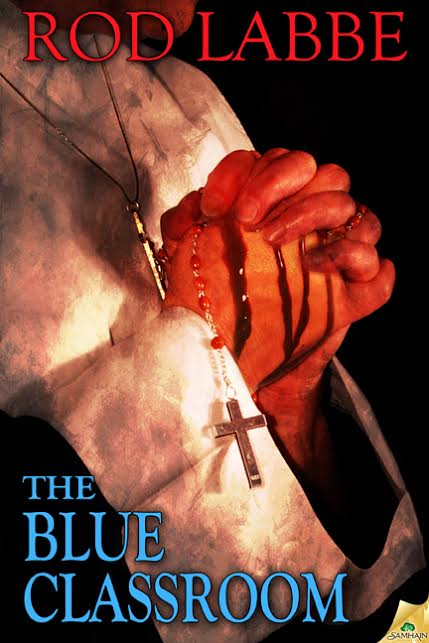
RL: The Blue Classroom is a Maine-based ghost story involving a haunted Catholic school and the spirit of a cruel, vindictive nun. There’s an extensive flashback to 1957 near the beginning, but most of the action takes place in 1998. I hesitate to call The Blue Classroom an epic, but it’s very close to 400 pages. The cover art just blew me away … and I’m extremely fortunate to have been picked up by Samhain. Their horror editor, the great Don D’Auria, has been a guiding light. Like Chris Alexander, he’s simply a great guy.

Keep in mind, Jason, I’m not a young Turk, and I have absolutely no use for splatter punk or flash fiction or ‘fan fiction’ or whatever it’s called. At 61, I’m old school all the way and go for quiet chills rather than gore, sexual nonsense, violence and/or rape. Frankly, I don’t understand most young writers. I’ve picked up books that are recommended to me, and what I find is gratuitous violence, profanity, and themes that are distasteful and unpleasant. And I’m sick of hearing about the ‘zombie apocalypse.’ Just what is this strange fascination with zombies. I can’t figure it out.

JH: How did you come up with the title?

RL: When my first draft was completed, I pulled out a trusty yellow legal pad and wrote down a dozen evocative titles. I chose The Blue Classroom because, hey, that’s where the horrifying memory takes place. What memory, you ask? Buy the book and find out.

JH: What inspired you to write your first book?

RL: In the fall of 1984, I’d just begun my last year as a Graduate student–a hectic period, as you might imagine. Not only would I be graduating with a Masters, but I was ending a monumental chapter of my life and entering into uncharted territory. Two things were on my immediate agenda: (1) becoming a freelancer, and (2) writing a novel. But how? I examined the situation from every angle and just dove in, navigating the rocky freelancing waters like a drowning man. I’d no guide and did everything by myself. In the meanwhile, I also set about tackling a novel. Can you say, failure? Nothing gelled. Idea after idea imploded or just sat there, lifeless. Frustrated, I gave myself breathing room and concentrated all my efforts on freelancing.

In 1989, with my freelancing journey going smoothly, I went back to brainstorming about the novel. I was reading through my graduate project, a collection of short stories entitled Seven Dark Images, and found the perfect inspiration. Can’t go into too much detail about that … but The Blue Classroom did grow from a short story originally published in 1985.

JH: How long were you writing it?

RL: The going was very slow, at first. I started in August of 1989 and worked on it when I could–and that turned out to be not very often. Between 1989 and January of ‘91, I’d written only three chapters! With the new year (1991), I decided to test the publishing waters and sent out my three measly chapters to publishers. Most of them came back so fast, the packages were smoking! Rejections across the board. I also let Rick Hautala read what I had, and he didn’t like it. Man, talk about disillusioning! Did I have what it took to be a novelist, I wondered? Maybe not. I was having much more luck as a freelancer and instinctively grasped what editors wanted. But when it came to fiction, I just didn’t seem to have that spark. I put the novel–or my, ahem, three chapters–in a desk drawer and let it germinate. By that summer, I’d decided to give the project another try. I barreled forward and finished a first draft sometime in early 1992. I had all of 200 pages and thought, wow, this is great! But the journey was just beginning. 200 pages would translate to a very thin book! I needed to flesh out the story, really put myself into it, which I did. By the end of 1999, the manuscript was just kissing 500 pages in draft form.

Then came the hard part: editing. I am a perfectionist, and that’s not always a good thing. I slept, ate, and existed with my book, tweaking, rewriting, throwing out chapters then putting them back in again. Aaargh! A decade trundled by. In 2012–yes, fantastic as it sounds, 13 years later–I had a good thing and sent it off to Samhain Horror (I told you I was determined!). Six agonizing months passed, and the e-mail I’d been waiting for arrived from Don D’Auria, Samhain’s horror editor. The Blue Classroom was on their schedule for May 2014.

Now, I’m waiting. Have I succeeded? Or will readers hate what I’ve put together? We’ll see …The Blue Classroom cover
JH. Who is your favorite author/authors and what is it that really strikes you about their work?

RL: Naughty, naughty, I know, but I do very little reading, nowadays–outside of articles and an occasional short story. Oh, I’ve tried reading more, but I usually end up losing interest or just shaking my head at all the gratuitous gore and sex … and ZOMBIES! I love the masters, people like Steve King, Poe, [and] Lovecraft, of course. But if I had to single-out a writer as my favorite, it would be Robert McCammon. In my humble opinion, this artist has never gotten his due. They Thirst, which I read in the summer of 1981, is a remarkable book. And I also loved Mystery Walk, Usher’s Passing, Swan Song and especially A Boy’s Life.

JH: What books have most influenced your life most?

RL: There are two, both intertwined. One is Bram Stoker’s Dracula, which I read way back in 1967, when I was 14. The other is King’s Salem’s Lot. I just could not put that one down. Even today, I’ll find myself going back to ‘the Lot’ and rereading certain passages. The section where Ben Mears encounters the vampiric Marjorie Glick in an examining room is high-octane horror. King wrote it beautifully, with so much unbridled energy. That’s when he was a hungry artist, and I plugged into his raw-edged enthusiasm. I should also mention how much I love The Shining. That one book kept me up all night, the only time such a thing happened. I started at about 10 p.m. and was still reading at 4:30 a.m. The true definition of a ‘page turner.’ It’s his masterpiece, as far as I’m concerned.

JH: What are your current projects?

RL: I’m always working on something. My second novel for Samhain is in the pipeline, scheduled for publication next year. It’ll be finished and polished up by June 2014. There’s a third novel percolating, as well as a collection of short stories, two of which were finalists in Fangoria’s ‘Weird Words’ competition. Freelancing continues, and my goal is to win a Rondo Award. I’ve been nominated three times, so far. Hopefully, 4th is the charm! It’s a busy, rewarding life, as clichéd as that sounds. I find new challenges in every project.

Editor’s Note:

The Blue Classroom e-book is currently available for pre-order at Amazon by clicking here.
Stacey Longo Enjoys Ron Jeremy’s ‘One-Eyed Monster’

By Stacey Longo

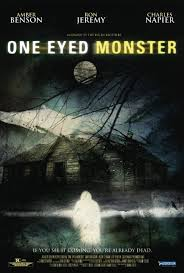
One-eyed monsterONE-EYED MONSTER (2008, Liberation Entertainment) is the tale of an alien that comes to Earth to possess porn star Ron Jeremy’s penis and seed the Earth. If that statement didn’t make you giggle at least a little bit, then this movie might not be for you.

A delightful horror/comedy romp, this B-movie stars Amber Benson, Veronica Hart, and Charles Napier, with Ron Jeremy as himself. The film opens with a group heading off to the mountains to film an adult movie. Jeremy laments that he’s not in shape anymore, and Hart (also playing herself) is upset that she just might be too old to be in porn, despite her impressive Kegel muscles. However, these concerns take a back seat when Jeremy’s penis is possessed by an alien and detaches itself, only to set off on a murderous rampage.

The beauty of this movie is that the characters know the plotline is ridiculous. They’re stunned and incredulous that Ron Jeremy’s penis is hunting them down, one by one. The director made a wise choice in not showing the menacing member for three-quarters of the movie, which results in a heightened sense of suspense—a technique used effectively by Steven Spielberg in JAWS and replicated here.

Ron Jeremy of One-Eyed Monster.

Ron Jeremy of One-Eyed Monster. Photo by Jason Harris.

Notable performances include Jason Graham as Jonah, who is quick to accept that yes, a possessed penis is what they’re fighting here, and it’s a serious matter. Add to this Napier’s slightly crazed Vietnam vet, who has seen this kind of thing once before. His speech about the penis in ‘Nam that wiped out his whole platoon would come across as silly and trite if not for Napier’s ability to deliver it like a man who has seriously been traumatized by these events that “boot camp never prepared me for.”

Our heroes try to trap the murderous member, but their first attempt fails, and the survivors race to a radio tower to try and get help. Veronica Hart regains consciousness at this point (she’d been knocked into unconsciousness when Ron’s penis first attacked during their sex scene) and tries to catch up on the action.

Veronica: “Who’s in me?”

It is Veronica, and her fabulous Kegel muscles, that eventually save the day.

This movie is not for the faint of heart, young children, or your mother. Overall, it’s fun, chock-full of one-liners and laughs, and definitely worth watching. Check out the DVD extras for a fabulous five-minute mockumentary on the movie’s special effects for one last laugh after the film ends. ONE-EYED MONSTER is a must-see for all “so bad it’s good” movie fans.

Editor’s Note:

This review originally appeared on the Cinema Knife Fight website. You can see it by clicking here.
Author Stacey Longo Talks Writing and the Habits of a Writer

by Jason Harris

Author Stacey Longo spoke to an attentive audience at the Douglas Library in Hebron, CT on Wednesday night about being a successful writer. Longo knows what she is talking about since she has sold over 20 stories and has been in over a dozen anthologies. She also has published a children’s book, Pookie and the Lost and Found Friend, and a collection of 12 tales, Secret Things,which was released in October. Along with writing, she is also an editor with a number of successful edited books including Wicked Seasons: The Journal of New England Horror Writers, Volume II.2013-12-11 08.41.01

Before she began her horror writing career in 2010, she was selling articles to newspapers and magazine such as The Island Crier and The Works. She was also a humor columnist for the Block Island Times. She has also just been hired to review B horror movies for the Cinema Knife Fight website.

The habits of a successful writer include writing a lot, Longo said. A writer should be setting realistic deadlines and goals. If these deadlines and goals are not realistic, you will just be defeating yourself and setting yourself up to fail. Stephen King writes 10 pages a day. Ernest Hemingway wrote 500 words a day.

“Thomas Harris took 10 years to write the sequel to Silence of the Lambs. Robert James Waller wrote The Bridges of Madison County in 6 weeks. Both were NY Times bestsellers.”

One shouldn’t use Harris as an excuse not to write every day or at least a few days a week, she said.

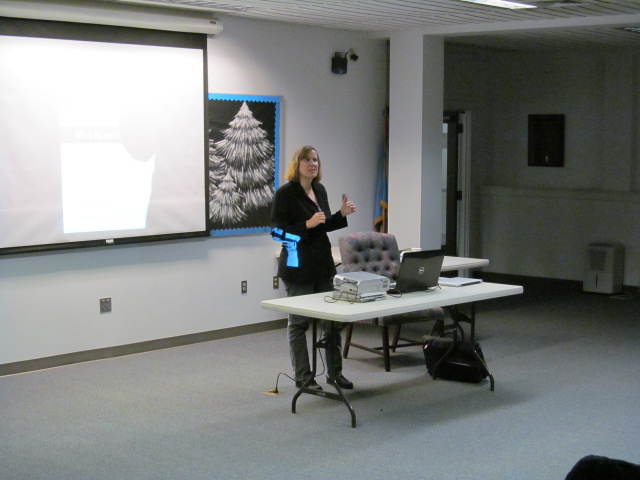
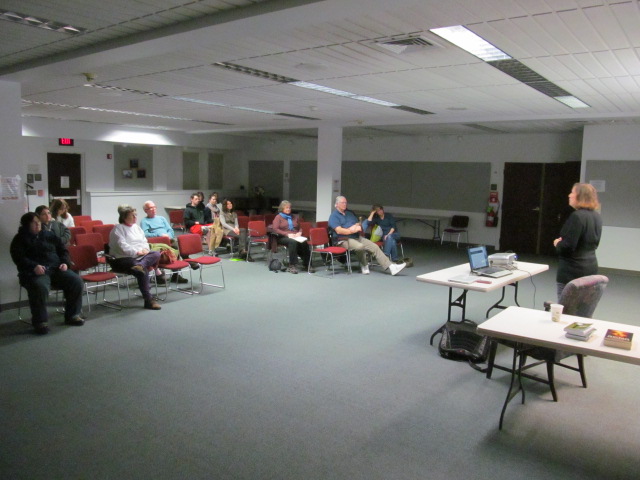
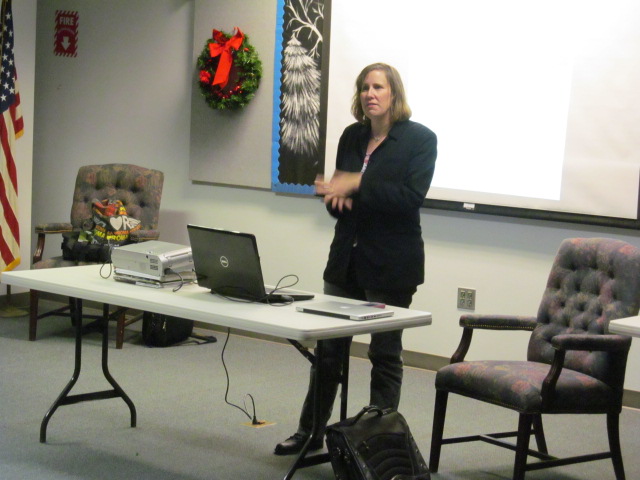
Stacey Longo talking to a crowd interested in writing.

Stacey Longo talking to a crowd interested in writing.

A writer should even read more than they are writing. Reading is always good, but it should be well-written book,s not poorly-written books such as the Twilight series by Stephenie Meyer, she said. There are two books every writer should read. They are The Elements of Style by William Strunk Jr. and E. B. White and On Writing by King. A writer needs to know the rules of writing before choosing to break those rules.

If you want to write, you should seek out workshops, conventions, and writers’ groups so as to meet other writers. Longo states that writing is a lonely profession and meeting fellow writers is always a good thing. Other writers can help you or you may be able help them with editing, a potential market, or even with a story problem. “The best way to learn about the craft of writing is to talk to others who have been successful at it.”

Longo met Ken Wood, publisher of Shock Totem, in 2009 at the Northeastern Writer’s Conference (NECON). In 2011, he asked her to write-up an anecdote she had told him about her father so it could be printed in the magazine’s holiday issue.

When it comes to editing, it’s very important to Longo. Everyone needs to learn the basics of sentence structure, grammar, punctuation, and verb tenses. If you can do these things in your story, you won’t do it in a query letter, which will lead to no agents or publishers reading your story. This is where your fellow writers or your writer’s group comes in handy. Let them read your first draft and listen to their suggestions. Your first draft isn’t going to be publishable.

“No book on the shelves today is still in the original draft form that the writer first wrote. Everything needs editing,” Longo said.2013-12-11 08.39.49

Another important fact for a writer to learn is the need to be prepared for rejection because the publishing world is all subjective, Longo said. One publisher may reject a story while the another one will accept it.

For more information about Stacey Longo, click here.
Pictures from Super Megafest 2013

By Jason Harris

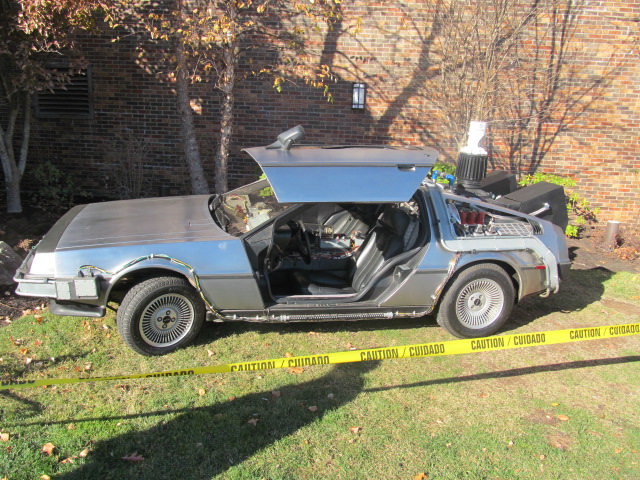
The DeLorean

The DeLorean.

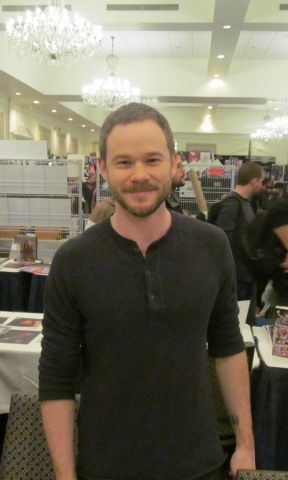
Aaron Ashmore of Smallvile.

Aaron Ashmore of Smallvile.

2013-11-23 01.11.55

DC Comics' characters

Characters from DC Comics.

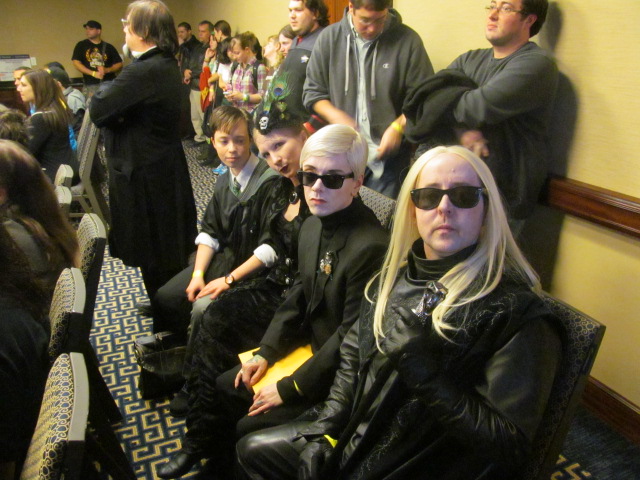
From right to left: Draco and Lucius Malfoy of Harry Potter.

From right to left: Draco and Lucius Malfoy of Harry Potter.

2013-11-23 13.59.39

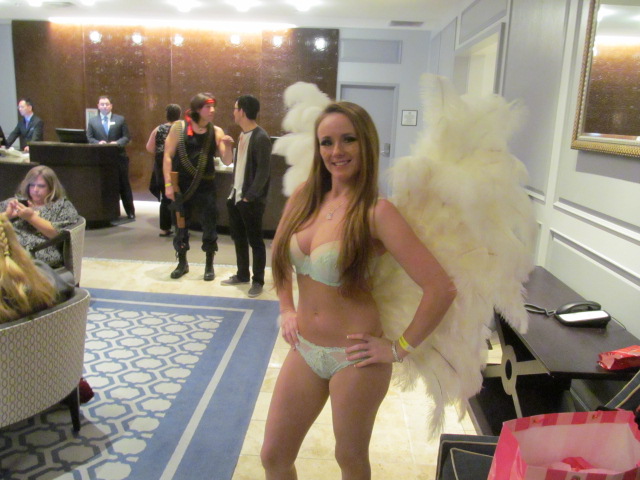
A Victoria Secret Angel

A Victoria Secret Angel.

2013-11-23 02.27.17

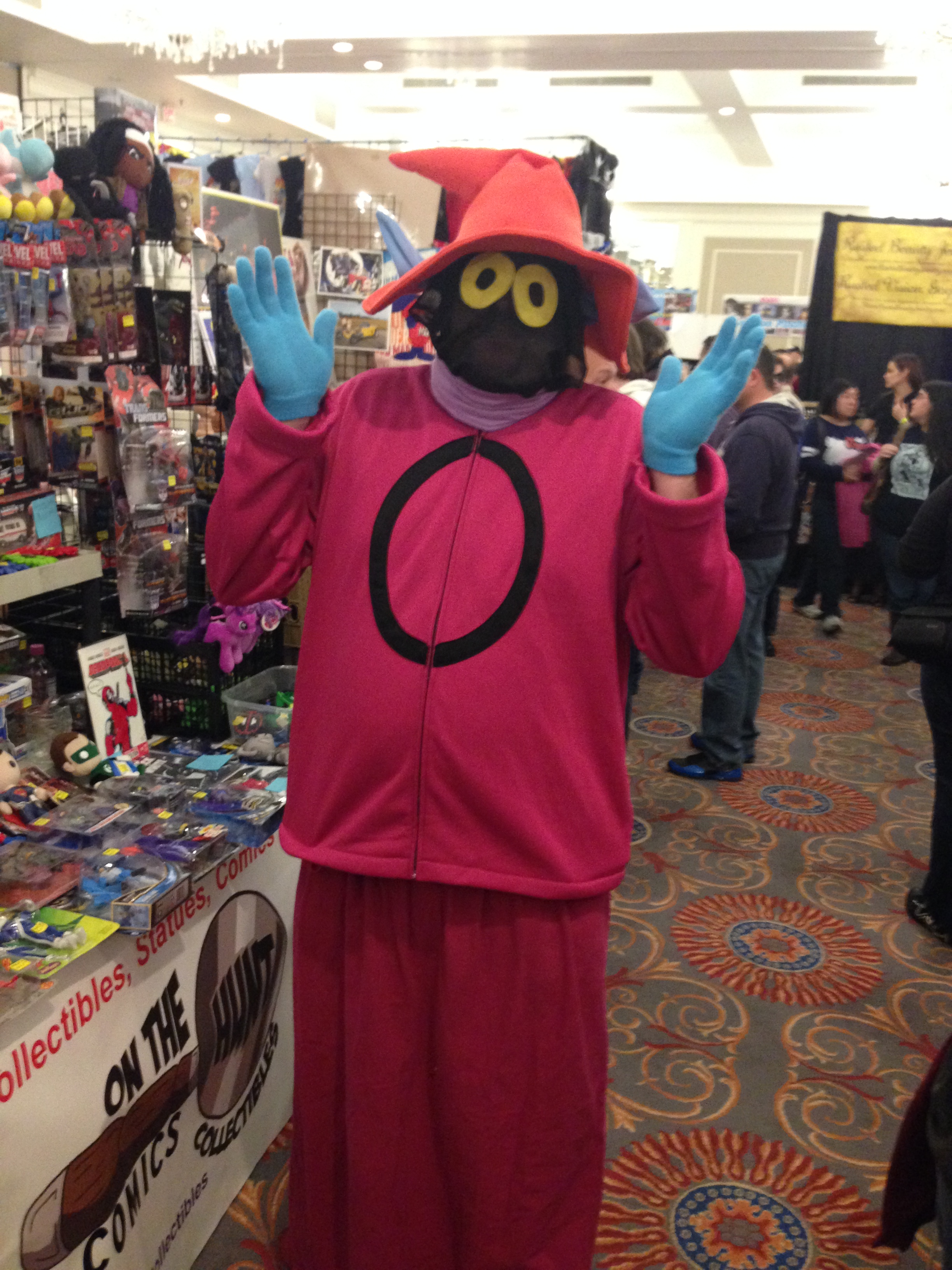
Orko from He-man and the Masters of the Universe

Orko from He-man and the Masters of the Universe.

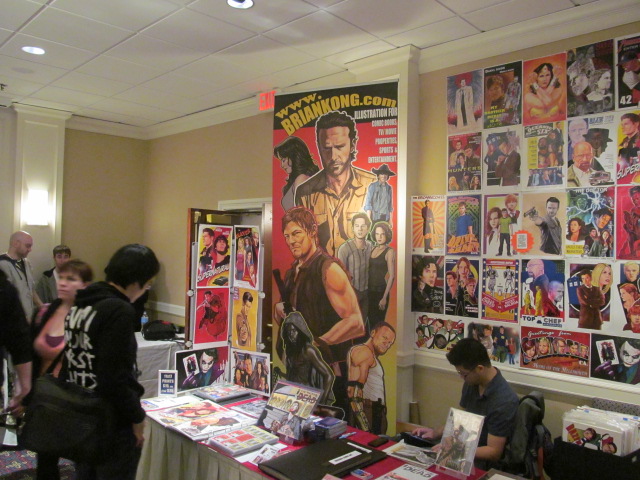
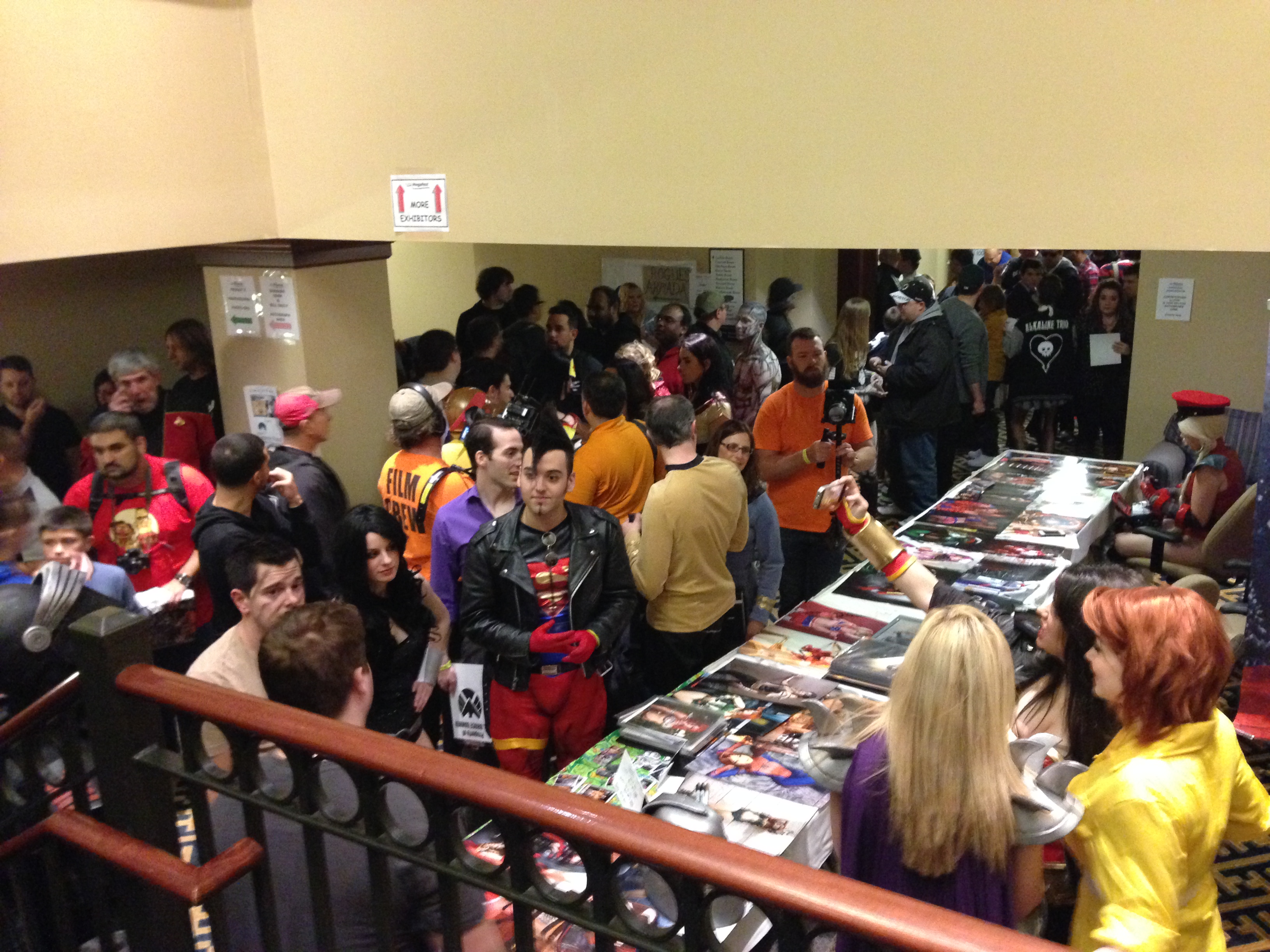
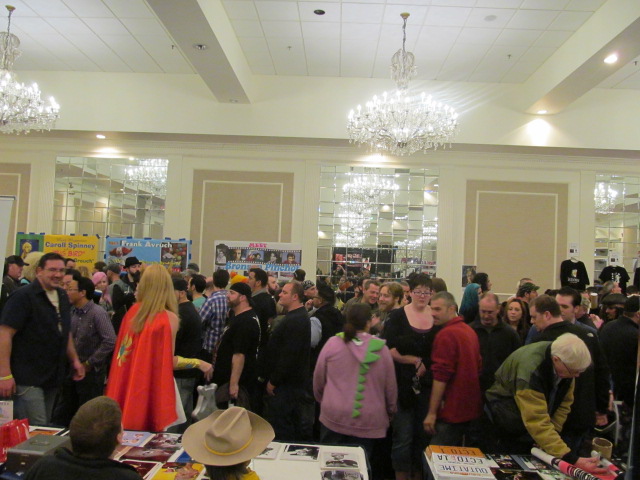
The crowds at Super Megafest.

The crowds at Super Megafest.

2013-11-23 03.00.51

Bronson Pinchot of Perfect Stangers.

Bronson Pinchot of Perfect Stangers.

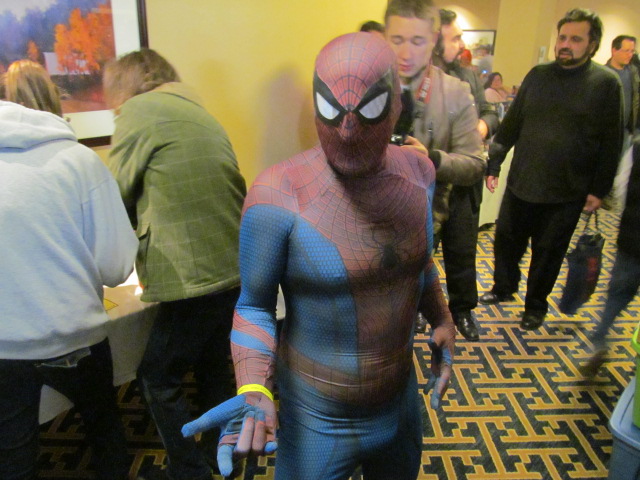
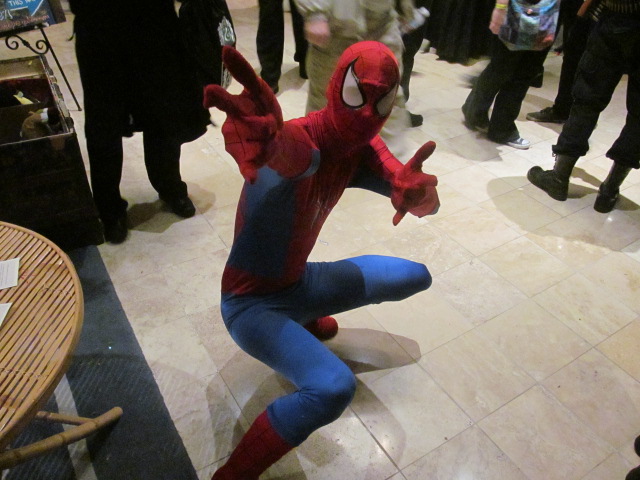
Spider-man

Spider-man.

2013-11-23 02.10.46

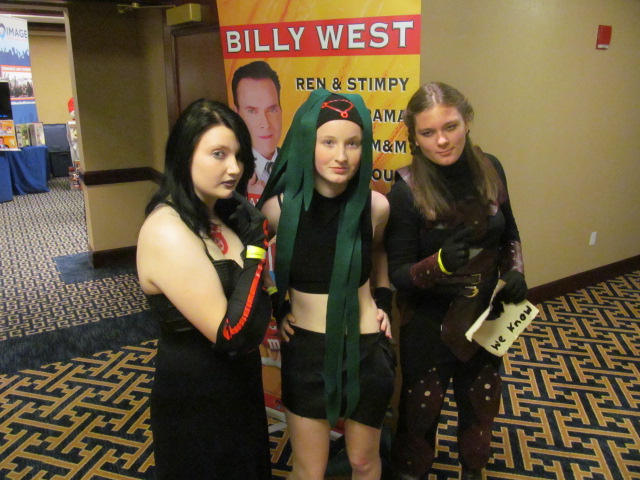
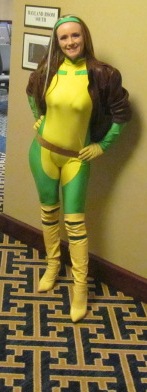
Rogue of The X-men.

Rogue of The X-men.

2013-11-23 07.12.09

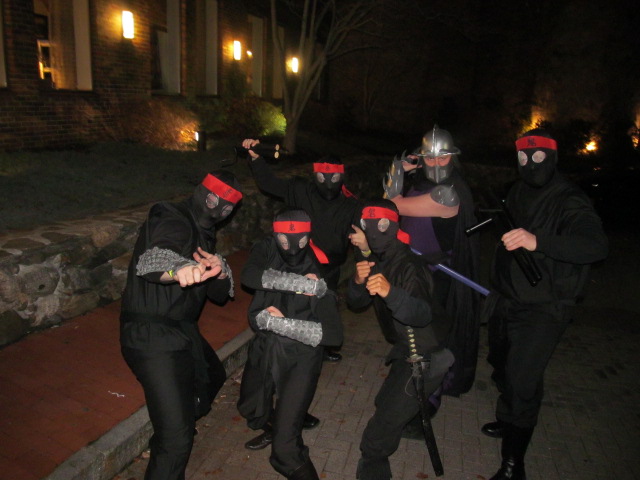
Shredder and the Foot Clan.

Shredder and the Foot Clan.

2013-11-23 07.05.11

Ron Jeremy of One-Eyed Monster.

Ron Jeremy of One-Eyed Monster.

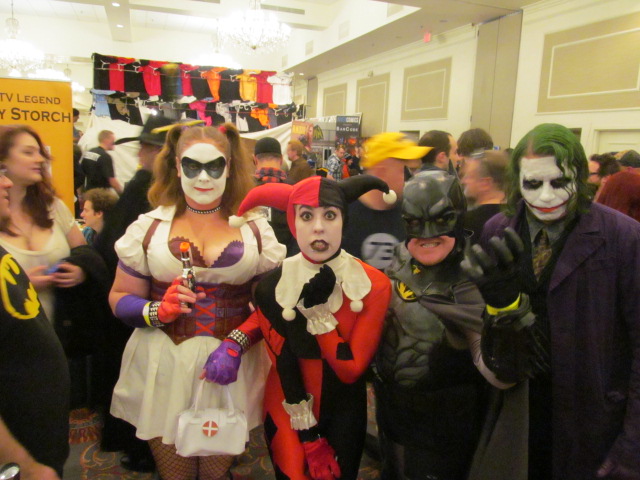
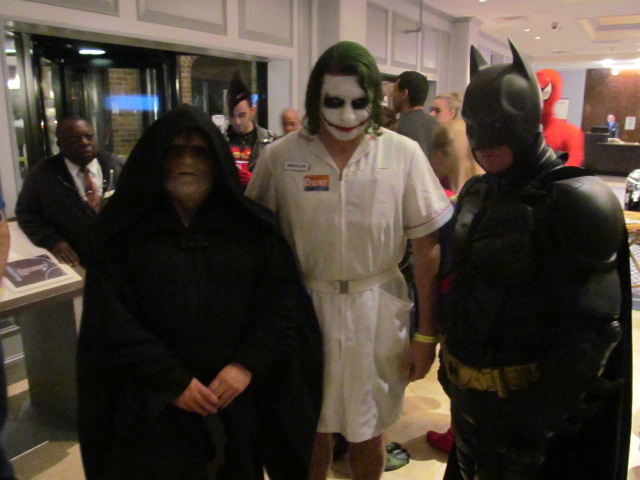
The Emperor, Joker, and Batman.

The Emperor, Joker, and Batman.

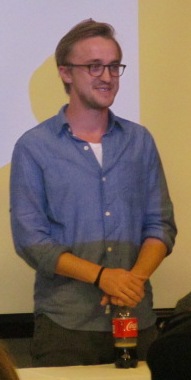
Tom Felton of Harry Potter.

Tom Felton of Harry Potter.

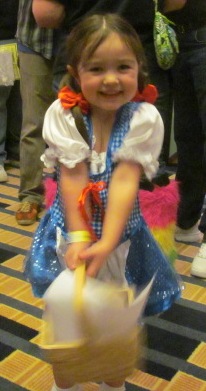
Dorothy Gale of The Wizard of Oz.

Dorothy Gale of The Wizard of Oz.

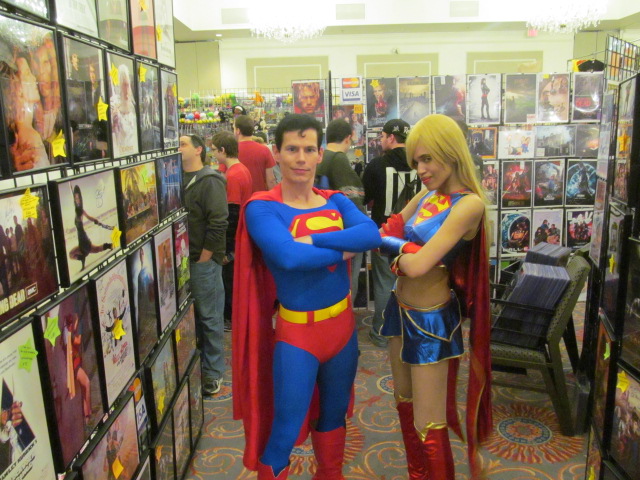
Superman and Supergirl.

Superman and Supergirl.

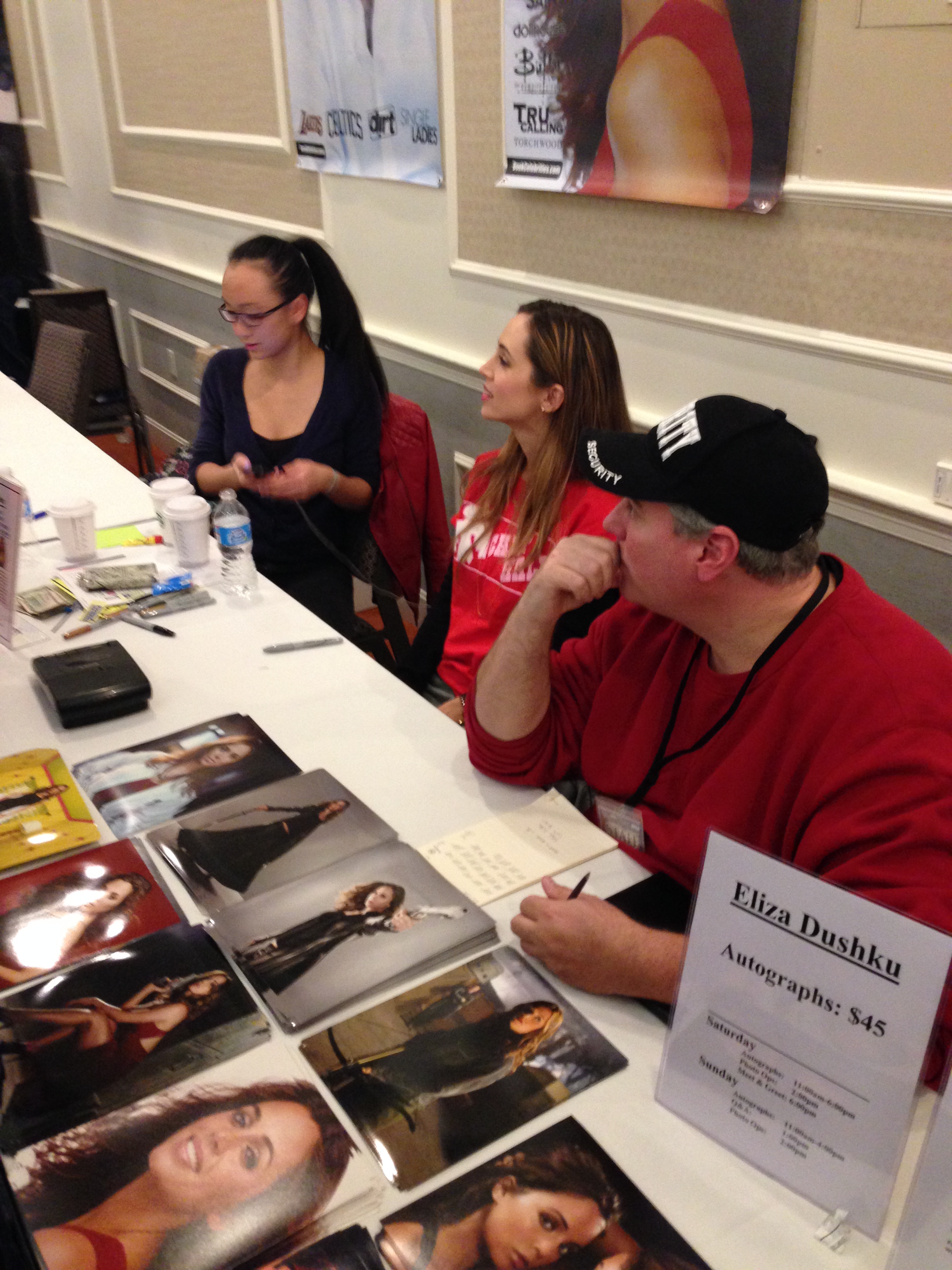
Eliza Dusku of Buffy the Vampire Slayer (center).

Eliza Dusku of Buffy the Vampire Slayer (center).

Spider-man.

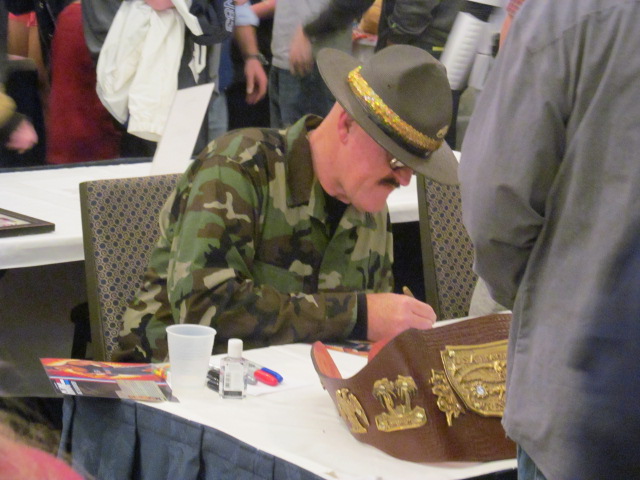
Robert Remus a.k.a. Sgt. Slaughter.

Robert Remus a.k.a. Sgt. Slaughter.

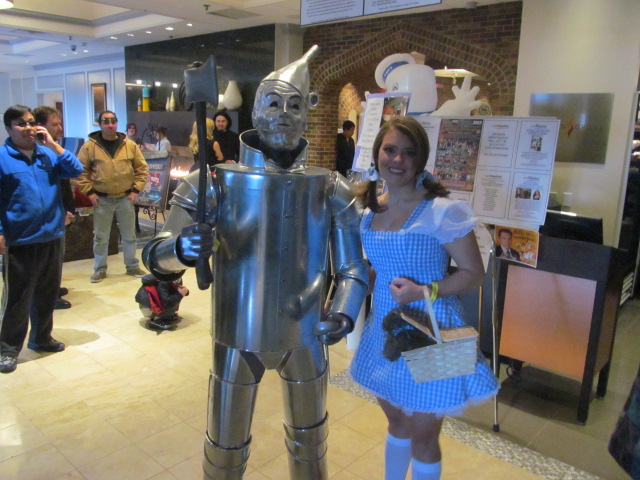
The Tin Man and Dorothy.

The Tin Man and Dorothy.

2013-11-23 01.59.46

Vonn Ray, professional cosplayer.

Vonn Ray, professional cosplayer.

2013-11-23 04.26.08

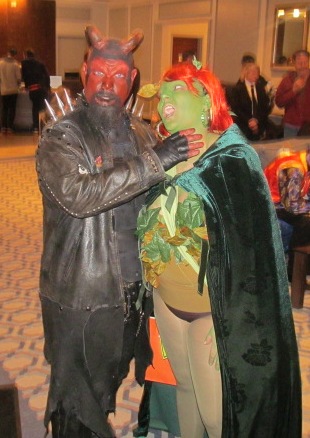
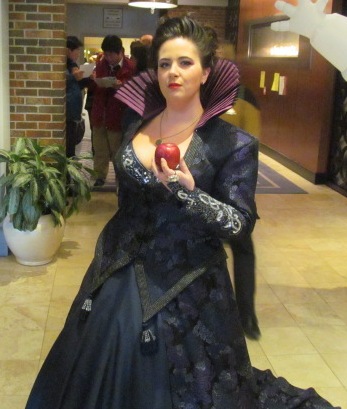
The Evil Witch.

The Evil Witch.

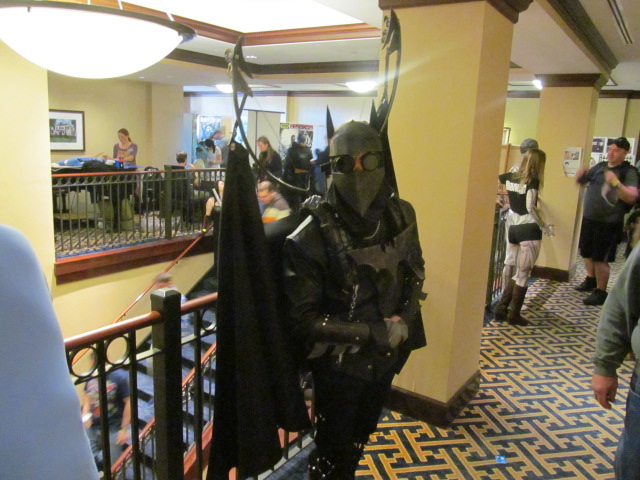
Steampunk Batman.

Steampunk Batman.

2013-11-23 02.21.07

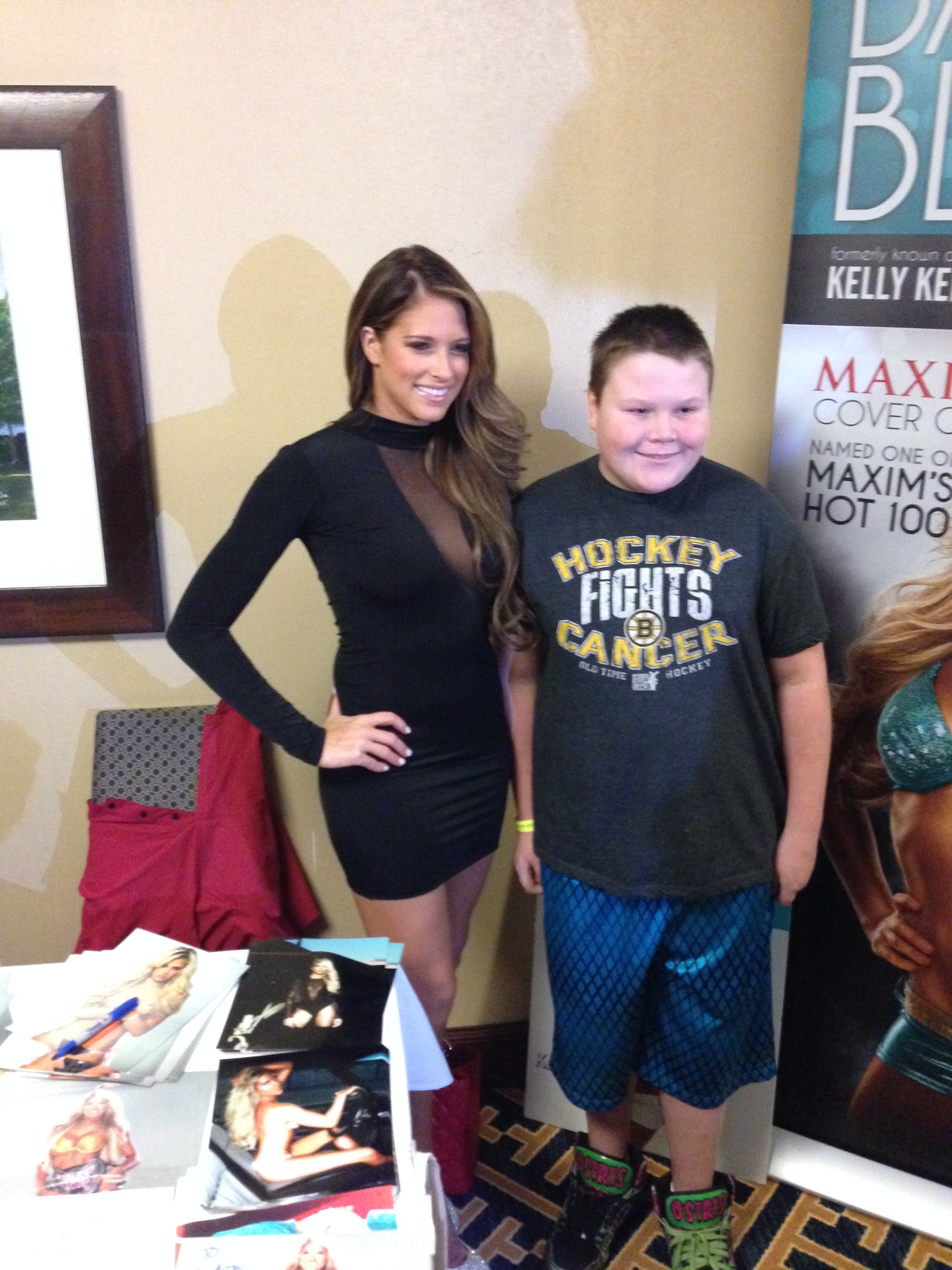
Barbie Jean Blank a.k.a. Kelly Kelly.

Barbie Jean Blank a.k.a. Kelly Kelly with a fan.

2013-11-23 01.13.05

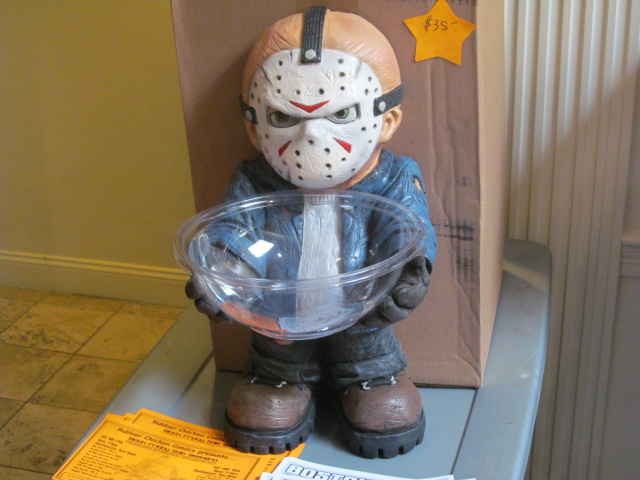
A Jason Vorhees' candy dish.

A Jason Voorhees’ candy dish.

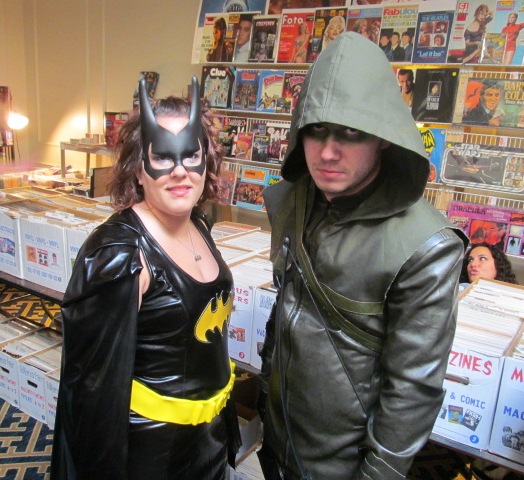
Batgirl and Green Arrow.

Batgirl and Green Arrow.

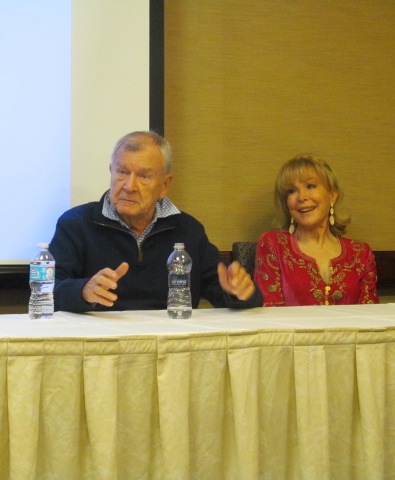
I Dream of Jeannie actors  Bill Daily and Barbara Eden.

I Dream of Jeannie actors Bill Daily and Barbara Eden.

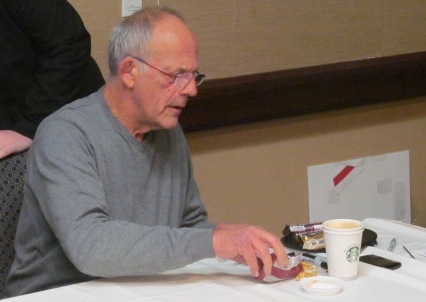
Christopher Lloyd.

Christopher Lloyd.

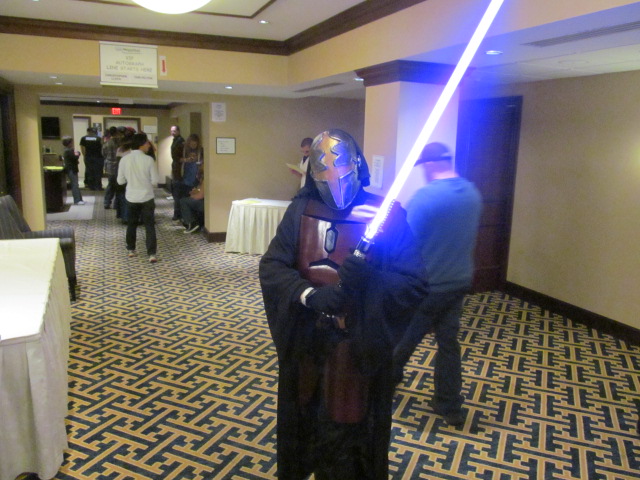
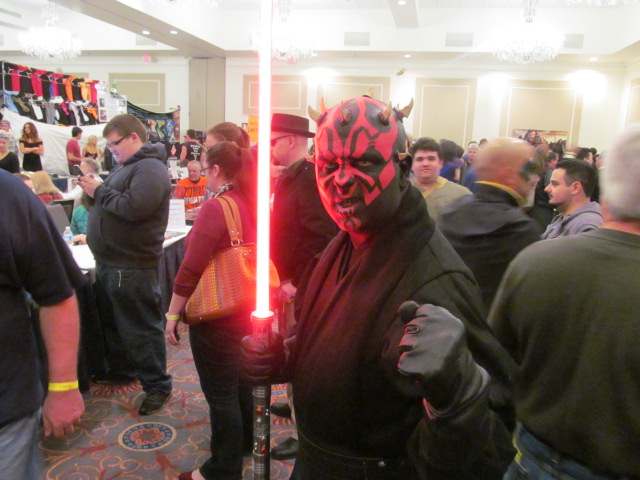
Darth Maul.

Darth Maul.

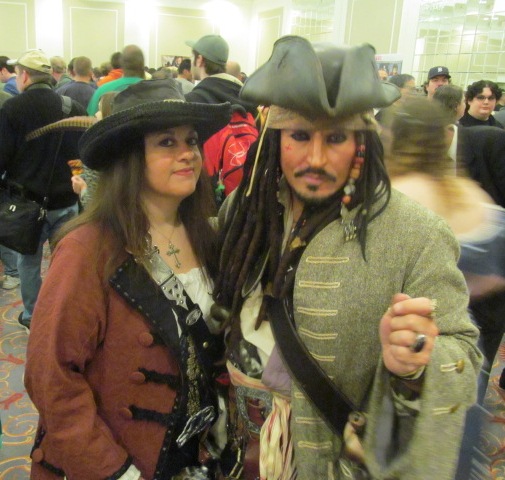
Jack Sparrow and companion.

Jack Sparrow and companion.

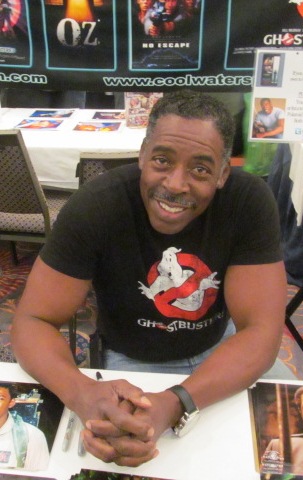
Ernie Hudson.

Ernie Hudson.

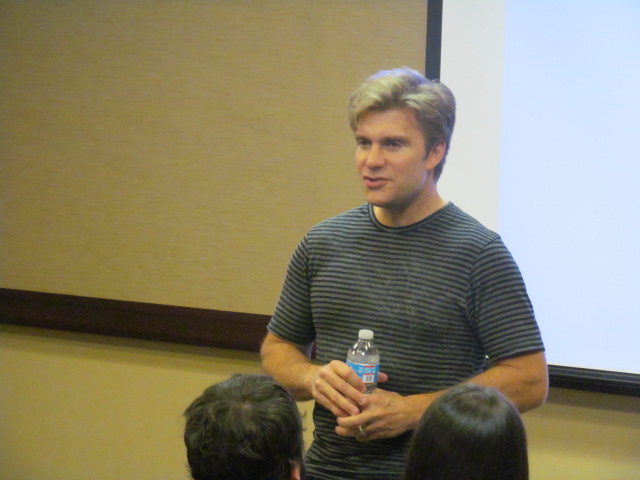
Vic Mignogna

Vic Mignogna of Fullmetal Alchemist.

An Interview with Author Joe Knetter

By Jason Harris

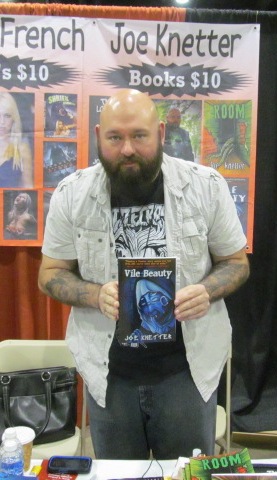
Author Joe Knetter holding Vile Beauty.

Author Joe Knetter holding Vile Beauty.

Author Joe Knetter started writing ten years ago after being a lifelong horror fan. His start came when he was online and found a publisher who was looking for stories.

“I thought it would be fun to give it a shot, so I wrote four and sent them in.”

All four of his stories were accepted, he said. Since then, he has written many more stories with interesting titles. His favorite title is “For the Love of Orson Welles’ Fat Black Ejaculate,” which can be found in his collection, Vile Beauty.

“It doesn’t make any sense whatsoever,” Knetter said about the title. “I was stoned one night. I just randomly said that. I can’t remember what about.”

He ended up writing that story for a gross-out contest. After submitting it and people started reading it, the contest organizers changed the rules so that his story was excluded, Knetter said.

Vile Beauty is really nasty. It’s more for shock value and over-the-top stuff. The other stuff is a little more mellow. Zombie Bukkake is obviously pretty out there.”

There are times Knetter will come up with the title first, then work the story around it.

He has a new story, “Crack in the Sarcophagus,” appearing in Canopic Jars: Tales of Mummies and Mummification, which debuts this month at Anthocon.

“I think it’s going to be a fun book.”

He loves attending horror conventions, and attends quite a few. When he first started out, he would attend up to 14 a year. This year he has only been to three, including Rock & Shock.

“Being that there are so many shows across the country, it kind of gets oversaturated a little bit.”

At his first convention, his goal was to sell one book. At one of the many conventions he has attended since that first one, he met his girlfriend of four years, Sarah French.

“The goal is always to make money, but it’s just as important for me to network,” Knetter said about conventions. “The shows are fun. It’s great to meet people.”

He did have a fan come to a show once whom he later found out was disturbed. This fan later arrested for putting bombs in vibrators, which is what Knetter used in one of his stories, he said. The fan was caught before anyone got hurt. He would have felt bad if someone had gotten hurt, but realized that if the fan didn’t react to something he wrote, he would have reacted to someone else’s work.

“Lucky enough, he was stupid enough not to do it right. Thank god. Horror fans are good people generally. They’re not troublemakers.”

He did have another fan buy one of his books that was poorly edited early on in his career. This fan highlighted his mistakes in the book then brought it back and gave it to him, Knetter said. “That was pretty comical, actually.”

Inspiration strikes Knetter everywhere. He has used an old mental hospital his mother worked at as a setting in a few stories. He has also written about a haunted hotel his girlfriend lived in while growing up. His story, “Room 17,” describes what happened at that hotel.
“I had to change the name of the hotel by one letter. Legally, I’m good to go now.”

He has been inspired by the early work of Clive Barker and is a huge Stephen King fan. His work has been compared to Wrath James White and Edward Lee.

His advice to writers is to just write, but don’t expect to make money, because writers don’t make much.

“Write because you have to tell the story and hope that you get lucky enough that it finds someone who likes it. You have to keep writing.”

You can find out more about Knetter on his website, click here.
Pictures from Rock and Shock 2013: Part 2

By Jason Harris


Author and NEHW member Erin Thorne.

Author and NEHW member Erin Thorne.

2013-10-19 06.32.39

2013-10-19 01.21.22

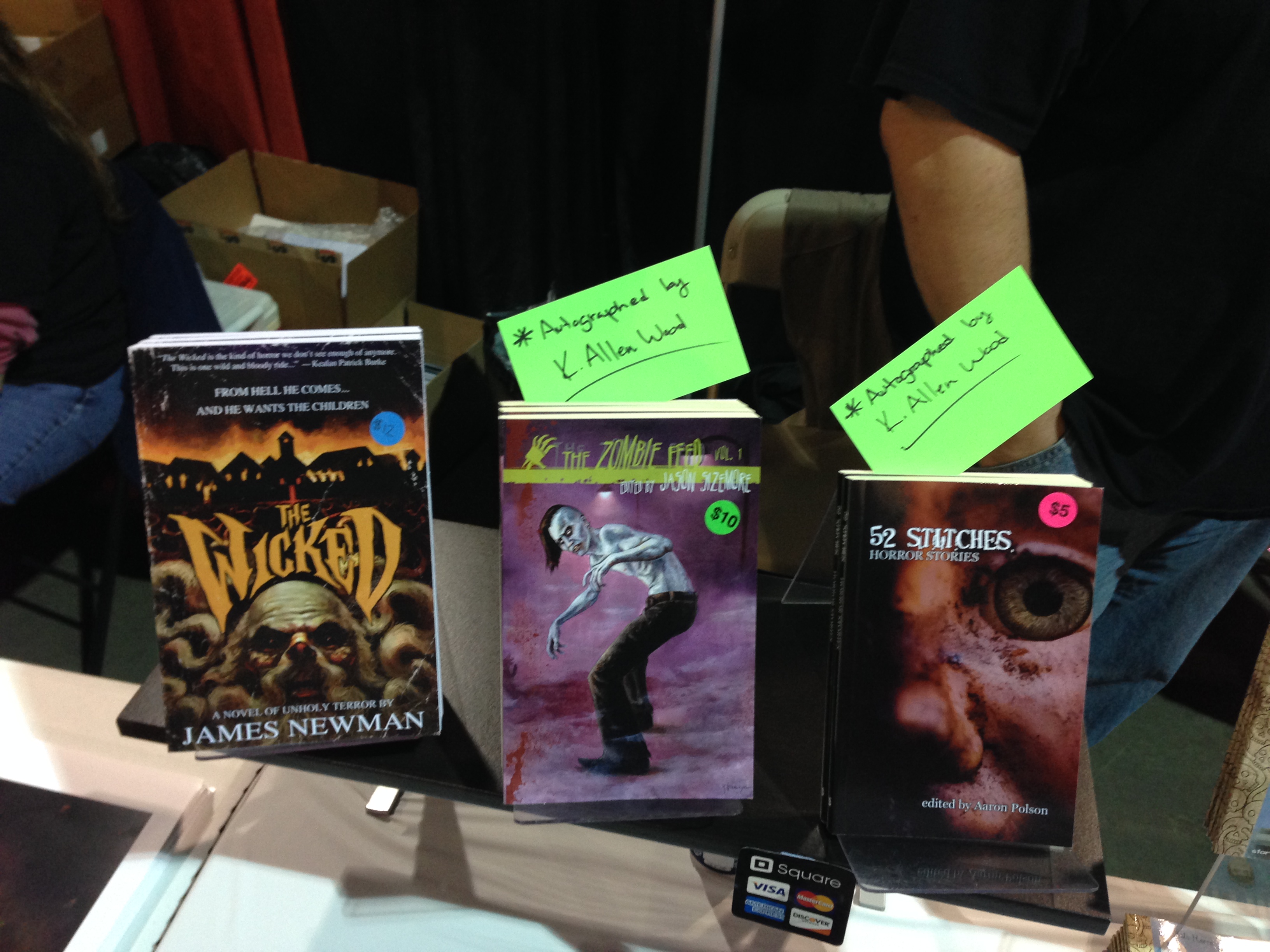
Books on the Shock Totem table.

Books on the Shock Totem table.

Authors Jack Haringa and Bracken MacLeod on the Writer's Studio panel.

Authors Jack Haringa and Bracken MacLeod on the Writer’s Studio panel.

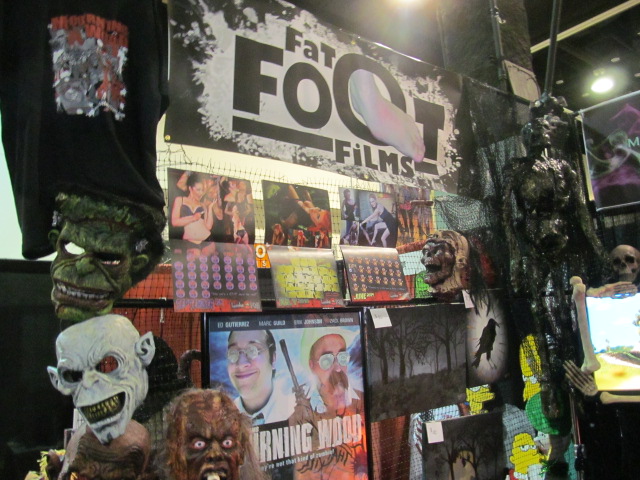
The Fat Foot Films booth.

The Fat Foot Films booth.

2013-10-19 00.33.41

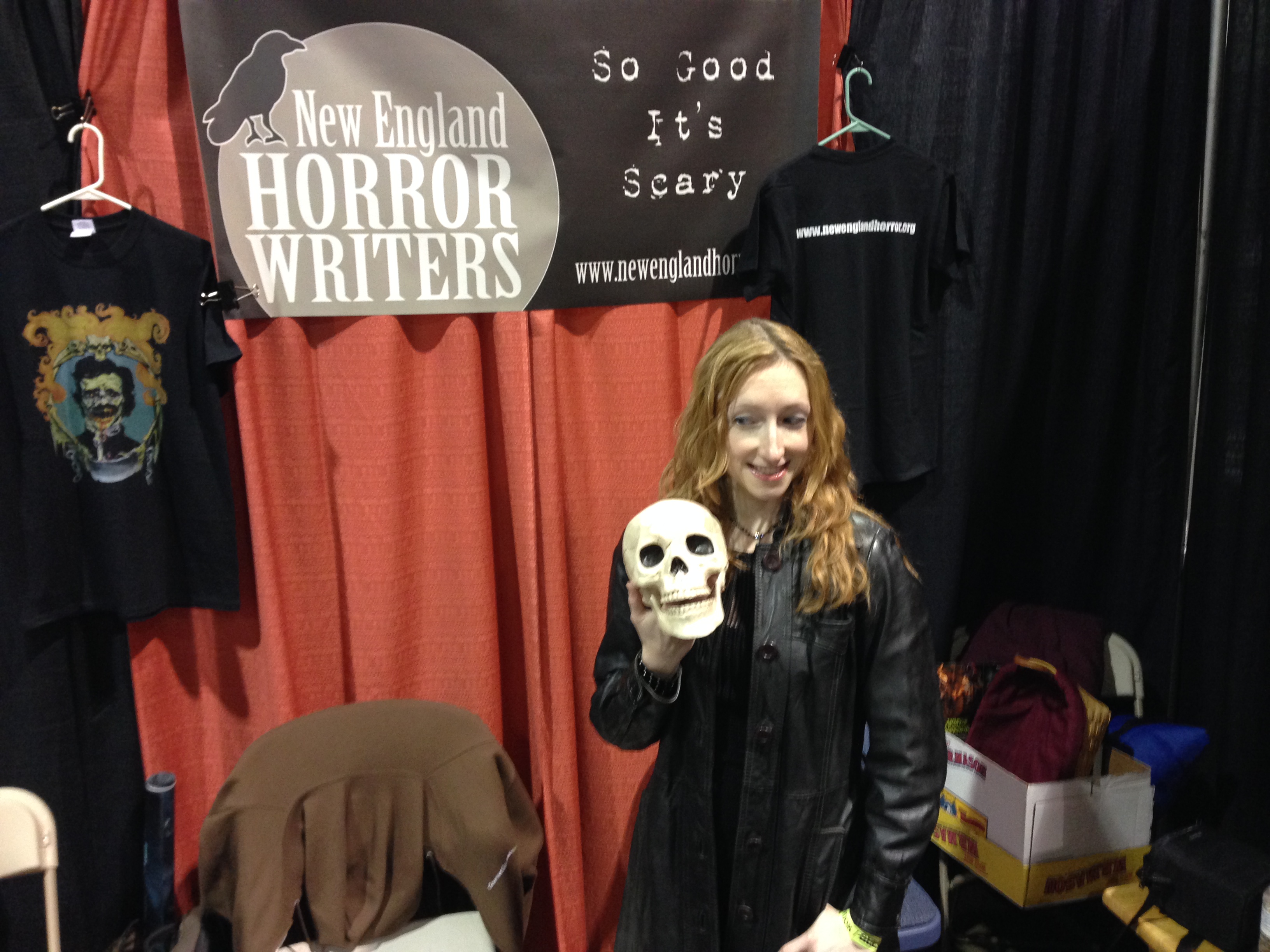
Authors Stacey Longo, Erin Thorne, and Tracy Carbone at the New England Horror Writer booth.

Authors Stacey Longo, Erin Thorne, and Tracy Carbone at the New England Horror Writer booth.

2013-10-20 02.15.09

The Shock Totem team K. Allen Wood (editor-in-chief), Robert Duperre (writer), and Jessie Young (artist).

The Shock Totem team K. Allen Wood (editor-in-chief), Robert Duperre (writer), and Jessie Young (artist).

The Fat Foot Films 2014 calendar.

The Fat Foot Films 2014 calendar.

Scott Wilson of The Walking Dead.

Scott Wilson of The Walking Dead.

Jimmy Duval of Donnie Darko.

Jimmy Duval of Donnie Darko.

More Book Vendors at 10th Rock and Shock

by Jason Harris


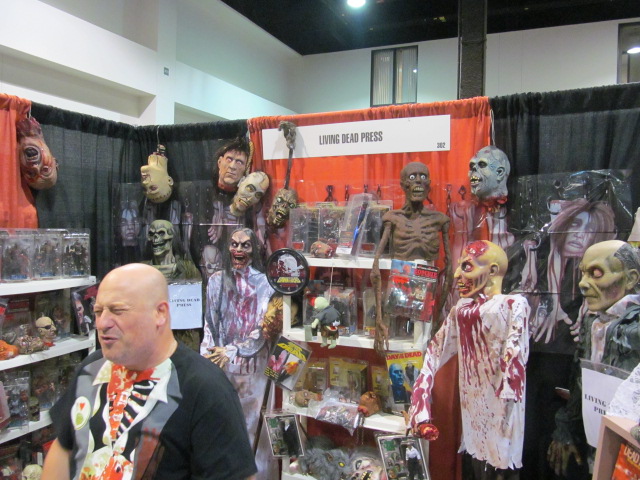
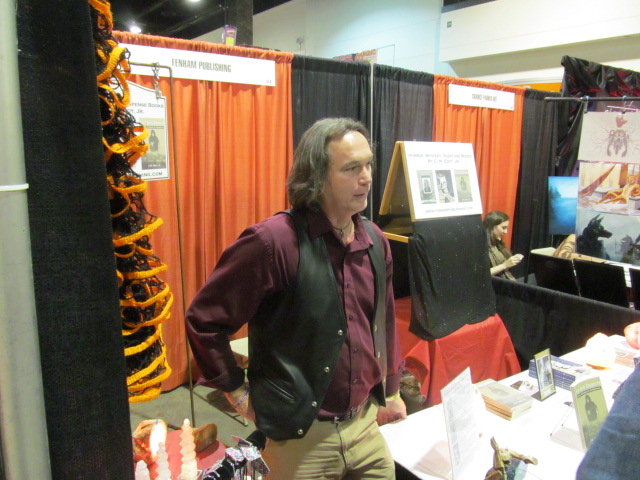
The 10th anniversary of Rock & Shock seems to have been the year for booksellers having a presence at the convention. In previous years, there were only Shock Totem, Sideshow Press, and the New England Horror Writers at the event.  Only the NEHW has been consistently representing its members there year after year for more than five years.

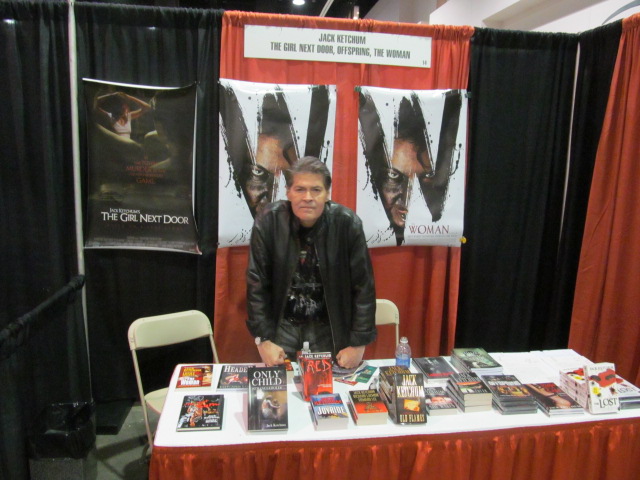
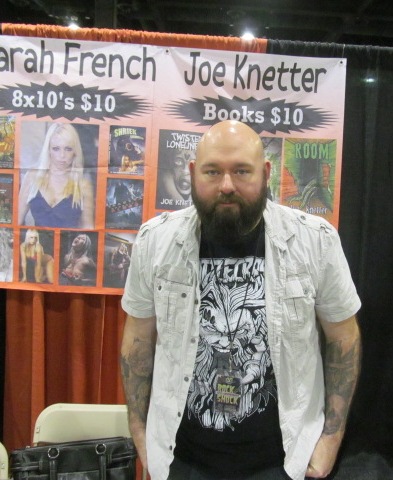
This year saw the NEHW joined by the returning representatives of Sideshow Press and Shock Totem, who both haven’t been at the convention in a couple years. The new booksellers at the event were Fenham Publishing and Living Dead Press. Click here to read a previous article on Fenham Publishing. There were also two authors, Jack Ketchum and Joe Knetter, in the celebrity area of Rock and Shock selling their books.

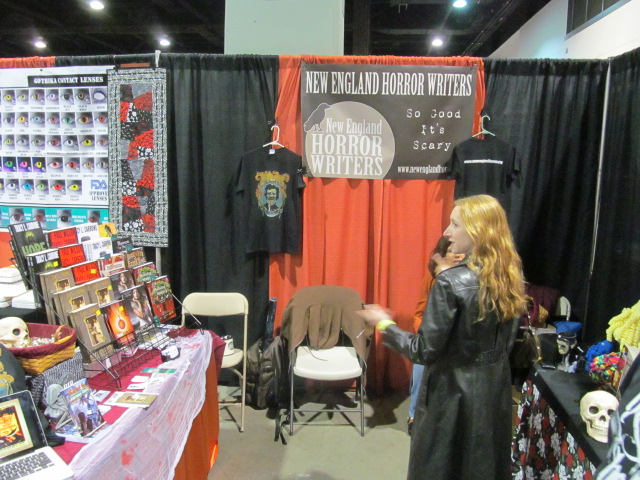
The New England Horror Writers (NEHW). Photo by Jason Harris.

The New England Horror Writers (NEHW). Photo by Jason Harris.

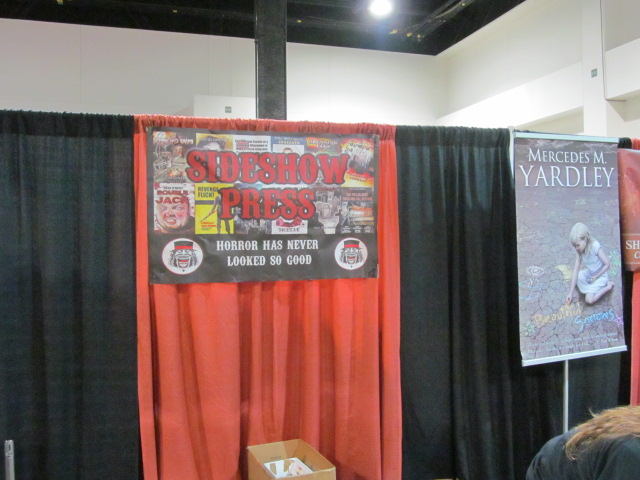
Sideshow Press

Sideshow Press. Photo by Jason Harris.

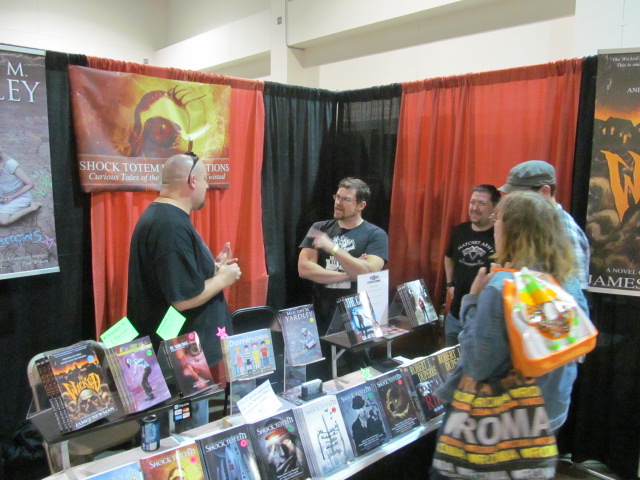
Shock Totem

Shock Totem. Photo by Jason Harris.

Living Dead Press. Photo by Jason Harris

Living Dead Press. Photo by Jason Harris.

Fenham Publishing. Photo by Jason Harris

Fenham Publishing. Photo by Jason Harris.

Jack Ketchum. Photo by Jason Harris.

Author Jack Ketchum. Photo by Jason Harris.

Author Joe Knetter. Photo by Jason Harris.

Author Joe Knetter. Photo by Jason Harris.


An Interview with Author A.J. O’Connell

By Jason Harris


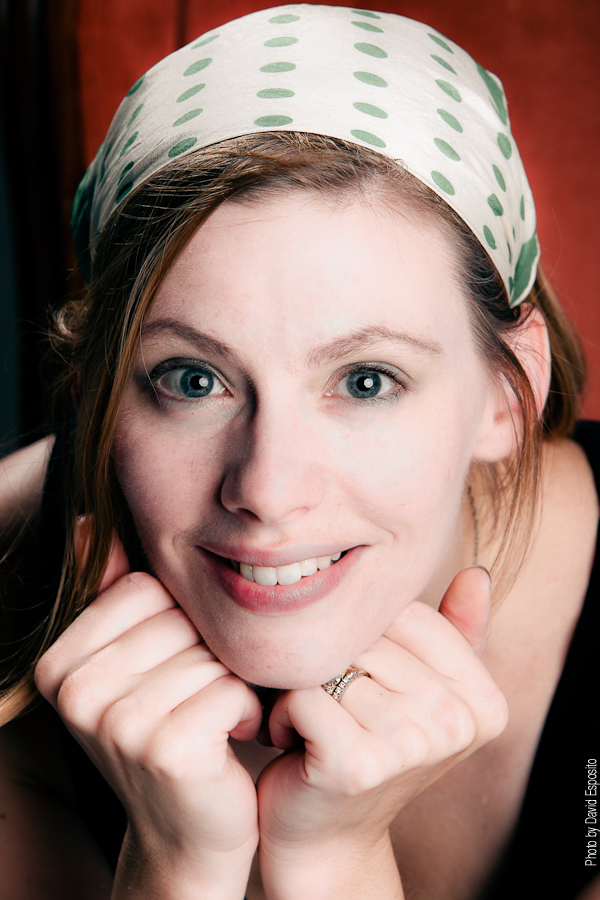
pressphoto

A.J. O’Connell


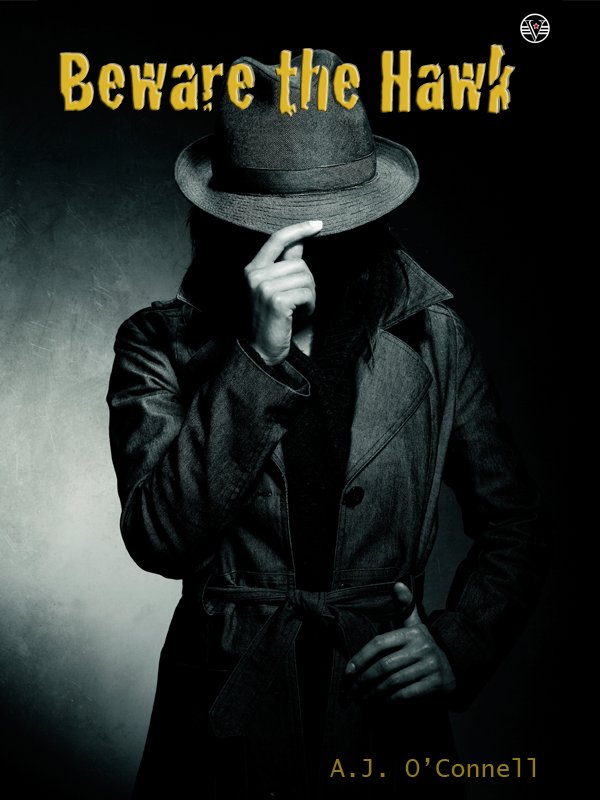
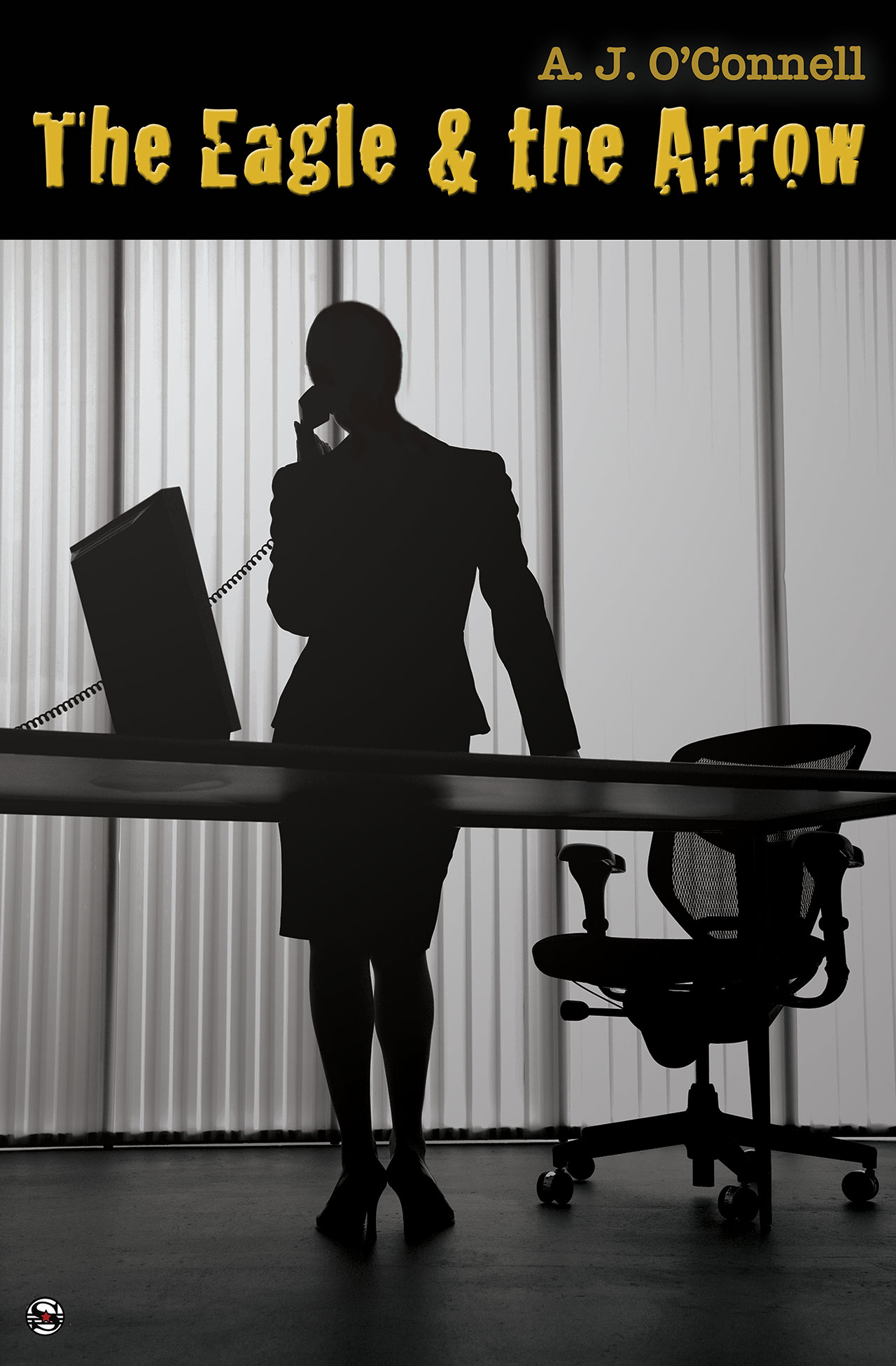
Q: Your newest book The Eagle & The Arrow is a sequel to Beware the Hawk. What are they about?

A: Beware the Hawk followed a couple of spectacularly bad days in the life of a young woman who was a courier for a secret organization called The Resistance.

The Eagle & The Arrow takes place about six months afterward, and features the young woman’s boss, a bureaucrat named Helen, who is tasked with cleaning up the mess created in the first book while keeping her decaying agency a secret and keeping her own career afloat.

Q: Did you always envision Beware the Hawk to be part of a trilogy of novellas?

A: I didn’t. Originally, my publisher contacted me about Beware the Hawk, because Vagabondage Press was putting together a series of novellas, and my editor remembered Beware the Hawk from a writers’ group we were both members of in 2003. It was only after Beware the Hawk was released that we decided to go ahead and make the book into a trilogy.

Q: Is the third one planned out already?

A: Well, no. I have some notes and outlines put together, but I haven’t figured out every step of the story.

Q: When did you start the series?

BewareTheHawkCoverArt A: I wrote the first draft of Beware the Hawk 10 years ago, although I dreamed up the premise earlier. At the time I was a 25-year-old journalist, in my first writing group ever. When I didn’t have to cover a Tuesday night school board meeting for work, I went to writing group meetings in a local Barnes & Noble. Eventually, I needed some work to share with the group, so I started writing Beware the Hawk down.

Q: Will the series go beyond the three novellas?

A: I don’t know. Right now, the plan is to stick to a trilogy. I’d like the three books to form a neat little unit of storytelling. But you never know – I might revisit some of the characters with stories or books devoted to their character arcs later.

Q: What was the inspiration for the two books?

A: I started thinking up Beware the Hawk in 1999 and 2000. At the time, I was working in Boston and regularly visited friends who lived in New York and Connecticut at the time. I did a lot of traveling by public transit and I had a lot of time to think on those trips. It occurred to me that anyone on the bus could be carrying anything. This was before Sept. 11, and security wasn’t so tight, so I’d spend bus trips thinking about the sort of things a person could get away with.

The Eagle & The Arrow was inspired by recent events as much as by the original novella. I’m intrigued by the phenomenon of WikiLeaks as much as I am horrified by prison camps like Guantanamo Bay. I thought that, when the time came to write the second book, it would be appropriate to look at the first book in terms of terrorism, because although the word “terrorism” never occurred to me when I was writing Beware the Hawk, that’s what it’s about.

Q: When did you start writing?

A: I’ve been writing since childhood. My mother tells a story about me as a toddler, playing with my toys and trying to explain what a plot was, but I don’t remember that. I do remember writing my EagleAndArrowFinalCoverRGB96dpifirst novel as a freshman in high school. It was awful, but the hours I spent on it were the happiest of my day, and I used to read chapters to my friends over the phone. The fact that they put up with this proves that they were true friends.

Q: Has your occupation as a journalist helped with writing your books or writing fiction in general?

A: Now that I don’t work at a daily, yes, I think my experience helped me. As a reporter you learn to economize your language, and that can only strengthen writing. When I was writing for work every day, however, journalism took away from my fiction. I was too exhausted at the end of a day of writing to write anything creative.

Q: What newspaper do you work at and what have you done there and what do you do there currently?

A: I haven’t worked for a paper for a while, although I freelance when I can and both write and edit for a website. I worked for the Hour Newspapers in Norwalk from 2001 to 2010. I was education reporter, mostly, covering schools in several communities, but I also covered municipal business in Stamford, and I worked for a year or so covering entertainment for the features section. That was fun.

Q: You’re a teacher? What do you teach, where and how long have you taught?

A: I’m an adjunct at Norwalk Community College. I’ve taught journalism there since 2008. I advise the student newspaper, and developed our digital journalism course, which I also teach.

Q: You are an editor at the online magazine, Geek Eccentric. When did you start there and what drew you to the magazine?

A: I started at Geek Eccentric this past spring, after being recruited by John Hattaway, our publisher. John went to grad school with me at the Fairfield University MFA program and knew that I was into science fiction, fantasy and comics, so he asked me to join.

I was drawn to the site because it was a chance to continue work I enjoyed. When I worked for the Hour’s features section, I loved writing about entertainment. Geek Eccentric offered me a chance to write news and opinion blog posts about entertainment that appeal to me, so naturally I jumped at it.

Q: Do you have a writing routine?

A: When I’m not teaching, I try to write at least 500 words a day in the morning. I set writing goals weekly with another writer so that we have some accountability. We send each other our goals for the next week on the weekend, and then check in at the end of the week to see if we’ve made progress. It helps.

Q: You belong to the New England Horror Writers (NEHW) and Sisters in Crime. Do you belong to any other writing organizations? What drew you to these organizations?

A: This might sound odd, but my mother, who used to be a librarian (and who loves her a mystery) is the reason I joined Sisters in Crime. She picked up a pamphlet at an event and then made sure I couldn’t miss it. And of course a conversation I had with you and Stacey [Longo] are the reason I joined the NEHW.

Q: What has been one of the best experiences/conversations since becoming a published author?

A: Running into people who have read my book. On the street. While I was lugging groceries from the car to the house. That was pretty amazing; I felt like a celebrity. Also, hearing from people I don’t know on the Internet that they loved my book.

Q: Any advice for writers who are about to be published? Or just advice to writers in general?

A: Yes, and this is advice I have to take myself sometimes: Make the time to sit down and write. Don’t worry about what you’ll write or if it will be any good or not, just sit down and write as often as you can.

Q: Who are some of your favorite authors?

A: Margaret Atwood, John Steinbeck, Virgina Woolf, Flannery O’Connor and Graham Greene are some of my favorite literary authors, but I also love Terry Pratchett, George R.R. Martin, Frank Herbert and J.R.R. Tolkien. Despite his elvish poetry, I’ve loved Tolkien since I read The Hobbit in the fourth grade.

Q: What are some of your favorite books?

A: Oh, this could turn into a Top 50 list. Let me see if I can pick out a few. Rebecca by Daphne du Maurier is a favorite of mine. So is The Sparrow by Mary Doria Russell. Graham Greene’s The Quiet American is another favorite. So is the original Dune, and Silence of the Lambs, both of which I’ve read over and over. Right now, however, I am most excited about A Song of Ice and Fire. I read all the books this spring, and George R.R. Martin cannot get The Winds of Winter published quickly enough. There’s an author who knows how to build suspense.
Thanks to A.J. for taking the time to do this interview for Jason Harris Promotions. You can find out more about her on her website here. You can purchase signed copies of her books at Books and Boos or through its website here.
Cover Revealed for ‘Secret Things’

Books & Boos Press is pleased to announce the cover artwork for Secret Things, a collection of scary tales by Stacey Longo. The cover was created by artist Stephanie Johnson, the cover is reminiscent of Saul Bass’s work, but with a style and flair all its own.

SecretThings

“I’d seen some of the covers Stephanie did for Kate Laity—most notably Noir Carnival and Weird Noir—and knew she’d be the perfect choice to design the cover for this collection,” Books & Boos Press co-owner Jason Harris said. “She was wonderful to work with, and we’re so happy with the result!”

The short story collection will be released in October 2013 as both a paperback and e-book.

David Lowery Talks about His Western Influences and Writing

By Jason Harris


David Lowery, the writer and director of Ain’t Them Bodies Saints, a movie about an outlaw portrayed by Casey Affleck, who escapes from prison and sets out across the Texas hills to reunite with his wife and the daughter he has never met. He wanted to do something that dealt with the archetypes of the western and outlaw genres. The westerns he finds himself loving are ones that have a different perspective.

“One of the first westerns that I loved was Lonesome Dove. It gave me a great appreciation of the genre and how rich it could be and how characters like this could live on the landscape.”

The western that showed him a deconstruction of the genre was Dead Man by Jim Jarmusch, he said.

Along with movies, even literature had an effect on Lowery. Cormac McCarthy is one writer in particular that affected him.

“When I read The Crossing when I was 19, it had a profound effect on me and pretty much changed the way I view not just literature, but storytelling in general.”

Lowery considers everything that McCarthy has ever written in the western genre some of his favorite literature, he said.

Lowery doesn’t have a writing process, but he does think that whatever his process is, it’s him just being lazy. He considers himself very lazy, which is what he thinks most writers are.

“I always put it off as long as I can and find other things to do, eventually the ideas I have in my head sticks around long enough that I just have to finally write it.”

He forces every idea through a trial by fire in his own mind before writing them down. If the idea is forgotten then it wasn’t worth writing down to begin with and the ones that stick around tend to get bigger and bigger, he said.

His choice of Rooney Mara (The Girl with the Dragon Tattoo), Affleck (Gone Baby Gone) and Ben Foster (X-men: The Last Stand) to star in his movie were his top choices for Ain’t Them Bodies Saints.

“It was a dream come true,” Lowery said about getting his three stars. “It was pretty remarkable.”

It felt to him that he and his three stars were friends and that they wanted to make the movie together, he said.

“I consider myself very lucky not only that they wanted to do the movie, but they brought that attitude.”

This is only Lowery’s second feature. His first feature was St. Nick, which was released in 2009. Along with these two movies, he has created “a lot of short films.”

He learned a sense of confidence from his first film.

“I need to stick to my guns and do what I feel is right for the project.”

Lowery would like to work with his stars again. He would also like to work with Brad Pitt.

“There are so many great actors. I admire so many different people. It really depends on what the project is,” he said about who he would want to work with and place in a movie.