An Interview with Author Joe Knetter

By Jason Harris

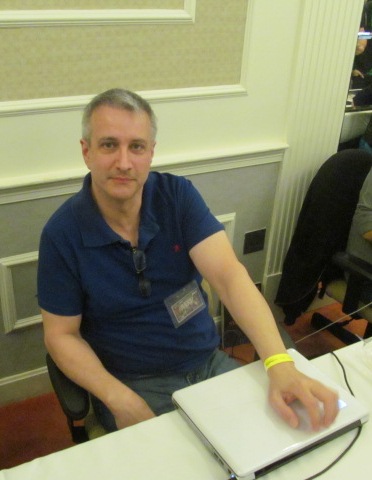
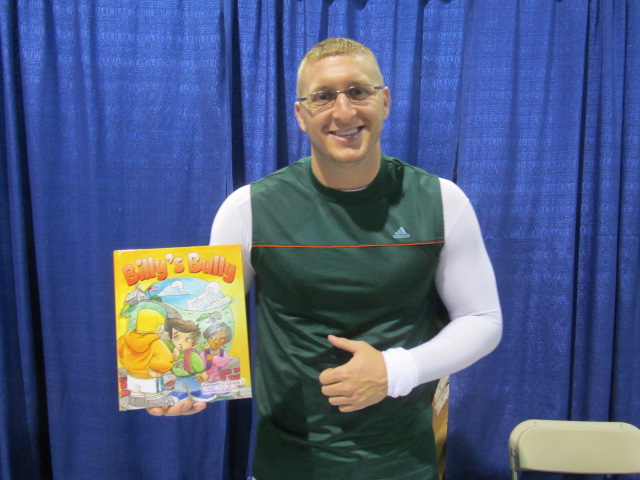
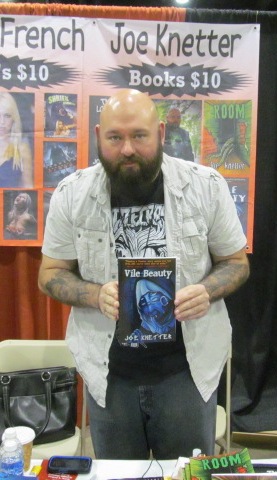
Author Joe Knetter holding Vile Beauty.

Author Joe Knetter holding Vile Beauty.

Author Joe Knetter started writing ten years ago after being a lifelong horror fan. His start came when he was online and found a publisher who was looking for stories.

“I thought it would be fun to give it a shot, so I wrote four and sent them in.”

All four of his stories were accepted, he said. Since then, he has written many more stories with interesting titles. His favorite title is “For the Love of Orson Welles’ Fat Black Ejaculate,” which can be found in his collection, Vile Beauty.

“It doesn’t make any sense whatsoever,” Knetter said about the title. “I was stoned one night. I just randomly said that. I can’t remember what about.”

He ended up writing that story for a gross-out contest. After submitting it and people started reading it, the contest organizers changed the rules so that his story was excluded, Knetter said.

Vile Beauty is really nasty. It’s more for shock value and over-the-top stuff. The other stuff is a little more mellow. Zombie Bukkake is obviously pretty out there.”

There are times Knetter will come up with the title first, then work the story around it.

He has a new story, “Crack in the Sarcophagus,” appearing in Canopic Jars: Tales of Mummies and Mummification, which debuts this month at Anthocon.

“I think it’s going to be a fun book.”

He loves attending horror conventions, and attends quite a few. When he first started out, he would attend up to 14 a year. This year he has only been to three, including Rock & Shock.

“Being that there are so many shows across the country, it kind of gets oversaturated a little bit.”

At his first convention, his goal was to sell one book. At one of the many conventions he has attended since that first one, he met his girlfriend of four years, Sarah French.

“The goal is always to make money, but it’s just as important for me to network,” Knetter said about conventions. “The shows are fun. It’s great to meet people.”

He did have a fan come to a show once whom he later found out was disturbed. This fan later arrested for putting bombs in vibrators, which is what Knetter used in one of his stories, he said. The fan was caught before anyone got hurt. He would have felt bad if someone had gotten hurt, but realized that if the fan didn’t react to something he wrote, he would have reacted to someone else’s work.

“Lucky enough, he was stupid enough not to do it right. Thank god. Horror fans are good people generally. They’re not troublemakers.”

He did have another fan buy one of his books that was poorly edited early on in his career. This fan highlighted his mistakes in the book then brought it back and gave it to him, Knetter said. “That was pretty comical, actually.”

Inspiration strikes Knetter everywhere. He has used an old mental hospital his mother worked at as a setting in a few stories. He has also written about a haunted hotel his girlfriend lived in while growing up. His story, “Room 17,” describes what happened at that hotel.

“I had to change the name of the hotel by one letter. Legally, I’m good to go now.”

He has been inspired by the early work of Clive Barker and is a huge Stephen King fan. His work has been compared to Wrath James White and Edward Lee.

His advice to writers is to just write, but don’t expect to make money, because writers don’t make much.

“Write because you have to tell the story and hope that you get lucky enough that it finds someone who likes it. You have to keep writing.”

You can find out more about Knetter on his website, click here.

Jennifer Jostyn: From Dancing to Acting


by Jason Harris

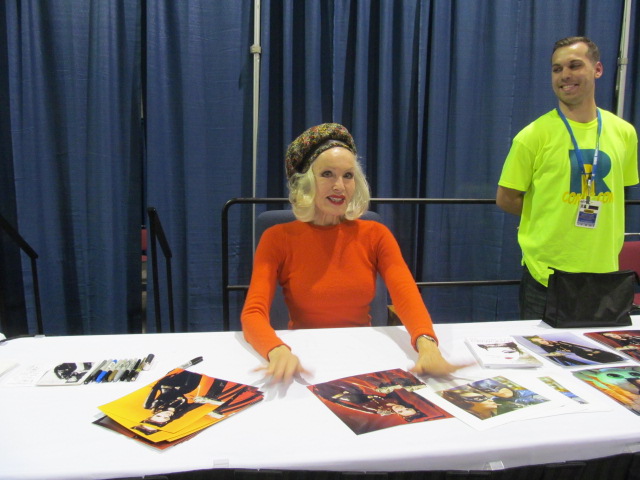
Jennifer Jostyn. Photo by Jason Harris.

Jennifer Jostyn. Photo by Jason Harris.


Jennifer Jostyn started out dancing before becoming an actress in movies like The Brothers McMullen, Deep Impact, and House of 1000 Corpses.

“I thought I wanted to be a ballet dancer.”

Jostyn studied ballet from a young age up until she was 22 or 23. She stopped when The Brothers McMullen won at the Sundance Film Festival and her career shifted from dancing to acting.

“I tried to sort of follow where I thought I was going to get work,” Jostyn said about changing careers.

There are moments that make her feel sad. These happen when she is watching live musical theater. This is when she misses ballet.

“I will see a show and I’ll think I would have loved to have done that. I like to try to never use the word regret in my life.”

She is appreciative of the work she has gotten and for working with two directors,

Edward Burns and Rob Zombie, both of whom she considers great directors and enjoys working with them.

She first met Burns through Michael McGlone, who was a co-worker at the restaurant where she was waitressing when she was 20 years old. McGlone told her one night when it was slow that he was working on a movie with “a cool guy who lives down in the West Village.”

McGlone also told her that Burns had no money, but was going to make something interesting. She received the role of Leslie 20 minutes after meeting with Burns. She spent the next couple of weekends going out to Burns parents’ house to shoot the movie.

She worked with Rob Zombie on House of 1000 Corpses. She didn’t realize at the time of her audition how big a deal it was being in a Rob Zombie movie.

Jostyn has also worked in television. She prefers movies, though, since she gets a little more time and freedom to play around with the role.

“Television shows usually happen pretty quickly, and there’s a lot of pressure to get it done quickly. You’re on a different kind of schedule.”

Her first starring role was in Milo, which she received two days before the film started shooting. She was first scheduled to play a much smaller role until she received the lead after being called into the director’s office. This happened on the day she had come to the production offices for a wardrobe fitting.

“I really loved that role and was excited to be able to go through the whole course of a 90 minute film. I’d never done that before.”

Jostyn is drawn to acting because she likes everything about it and being around creative people.

“I find it very exciting to watch great minds like Rob [Zombie] and Eddie [Burns] and other people I have had the pleasure to work with. I think they’re so smart and interesting and unique … I just wanted to be near it. I really don’t care in what capacity. It’s exciting to me to get to pretend to be different people. I can’t imagine who wouldn’t want to do that.”

Along with acting, Jostyn has also written and produced a movie, The Life Coach, back in 2005. She describes it as a mockumentary in the vein of a Christopher Guest movie, and it’s about a Hollywood life coach to the stars.

Pictures from Rock and Shock 2013: Part 2

By Jason Harris


Author and NEHW member Erin Thorne.

Author and NEHW member Erin Thorne.

2013-10-19 06.32.39

2013-10-19 01.21.22

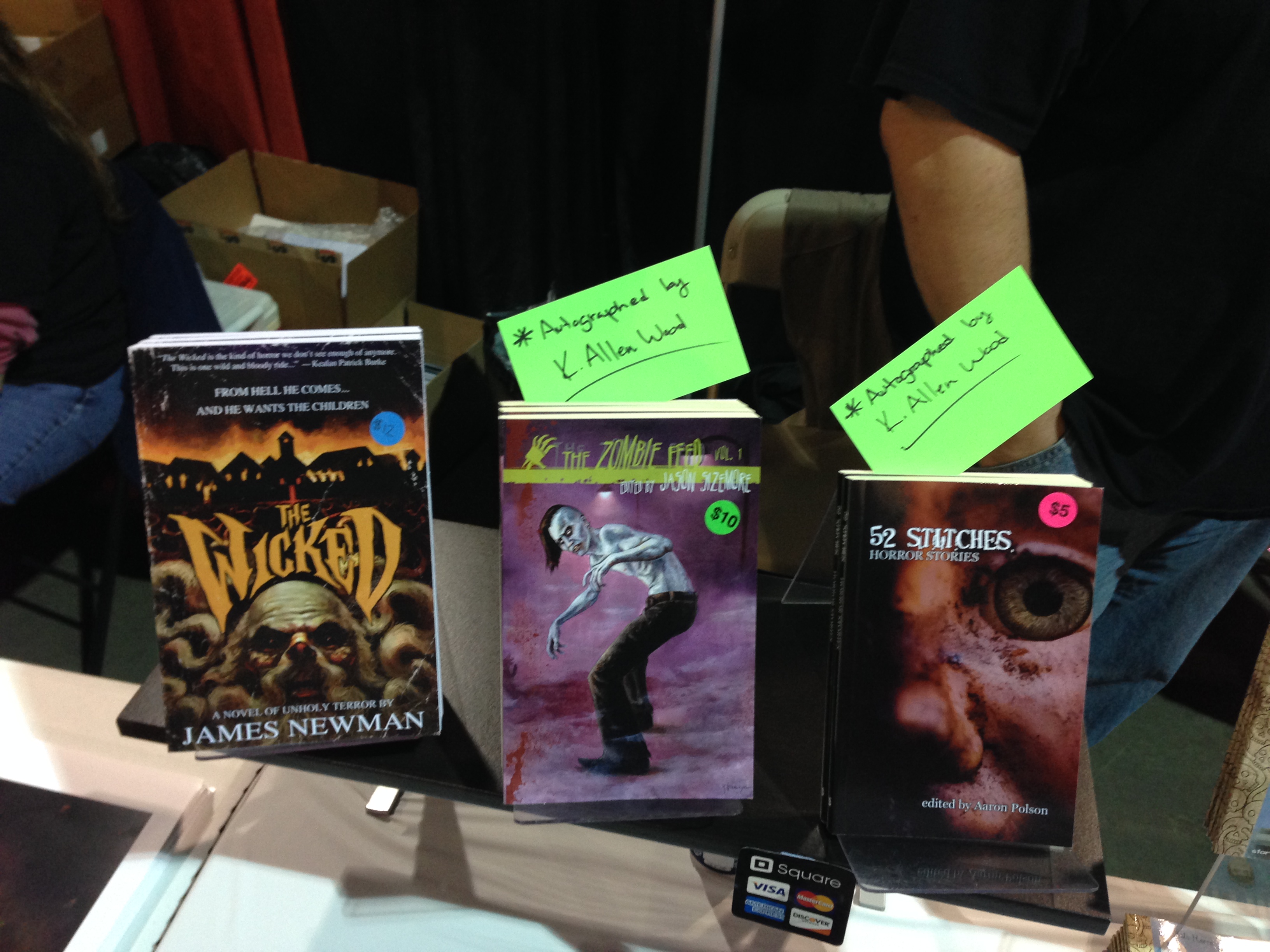
Books on the Shock Totem table.

Books on the Shock Totem table.

Authors Jack Haringa and Bracken MacLeod on the Writer's Studio panel.

Authors Jack Haringa and Bracken MacLeod on the Writer’s Studio panel.

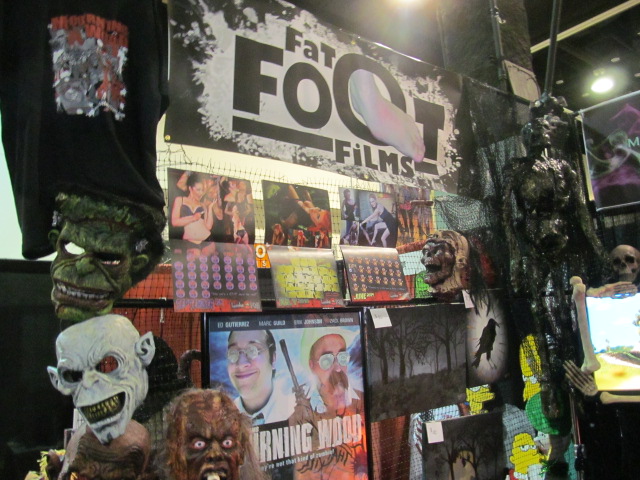
The Fat Foot Films booth.

The Fat Foot Films booth.

2013-10-19 00.33.41

Authors Stacey Longo, Erin Thorne, and Tracy Carbone at the New England Horror Writer booth.

Authors Stacey Longo, Erin Thorne, and Tracy Carbone at the New England Horror Writer booth.

2013-10-20 02.15.09

The Shock Totem team K. Allen Wood (editor-in-chief), Robert Duperre (writer), and Jessie Young (artist).

The Shock Totem team K. Allen Wood (editor-in-chief), Robert Duperre (writer), and Jessie Young (artist).

The Fat Foot Films 2014 calendar.

The Fat Foot Films 2014 calendar.

Scott Wilson of The Walking Dead.

Scott Wilson of The Walking Dead.

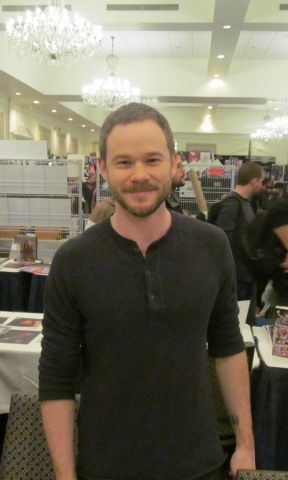
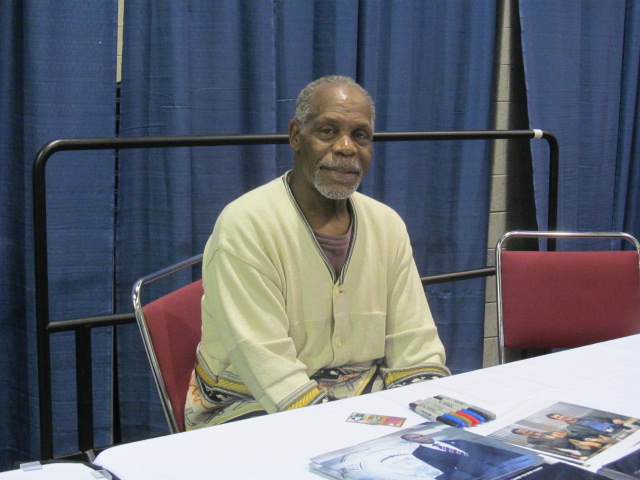
Jimmy Duval of Donnie Darko.

Jimmy Duval of Donnie Darko.

Pictures from Rock and Shock 2013

By Jason Harris

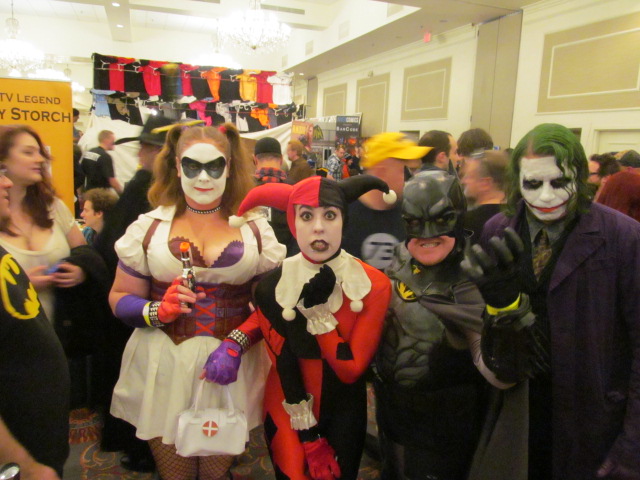
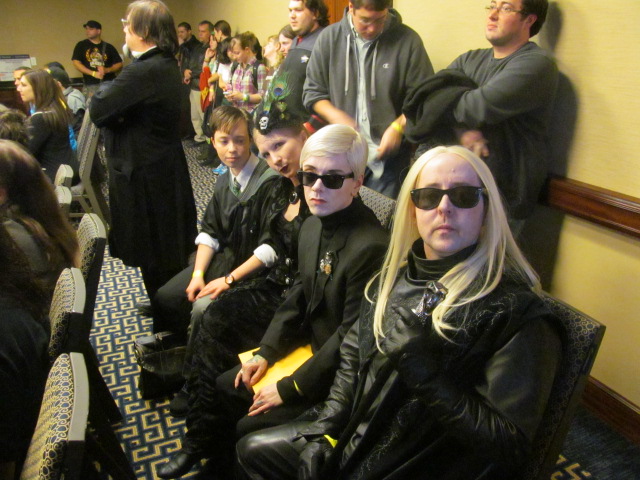
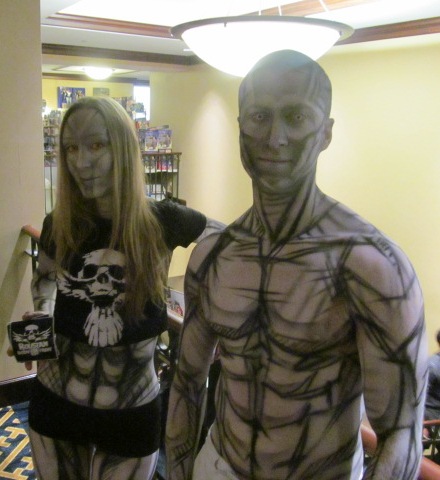
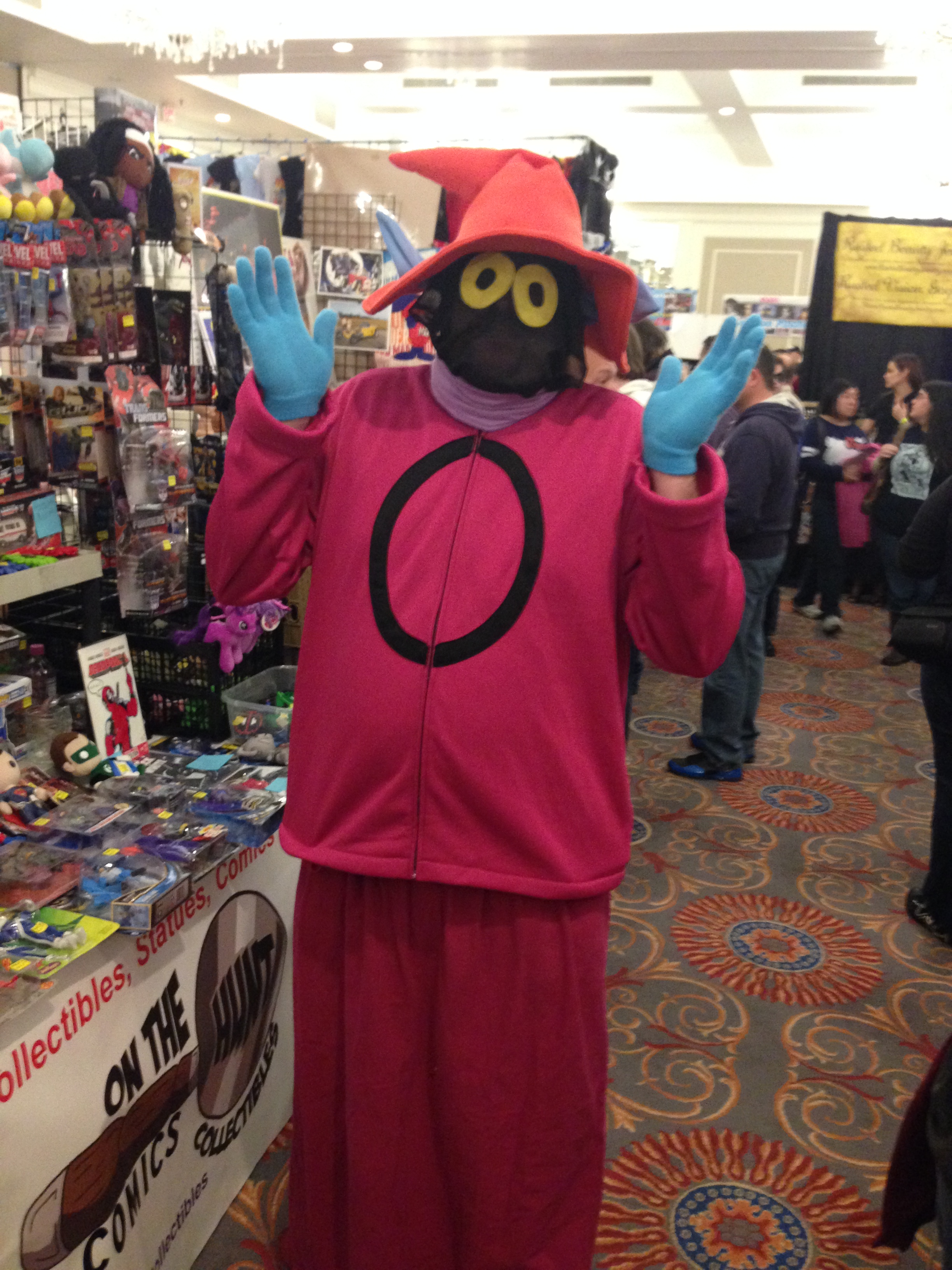
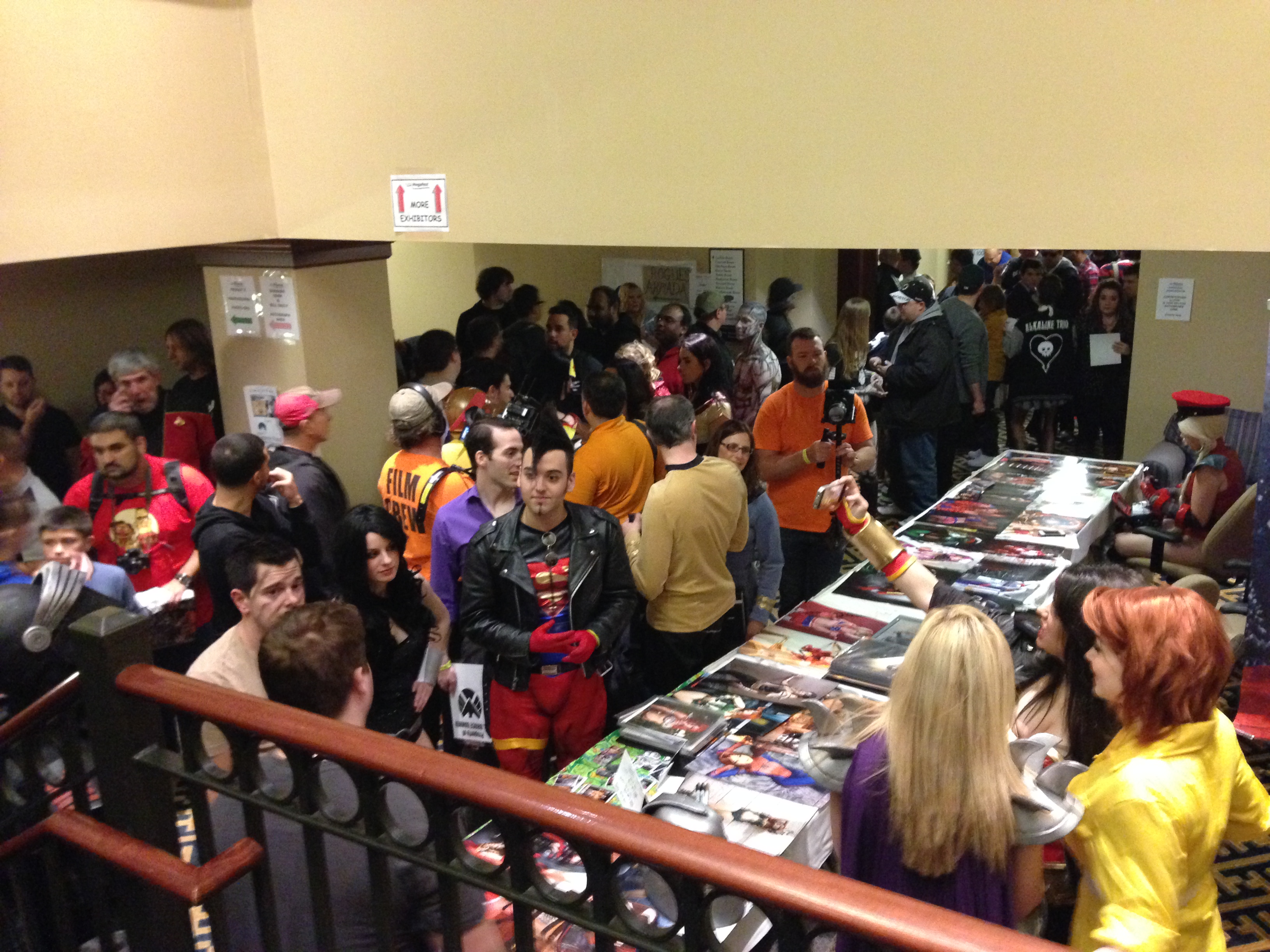
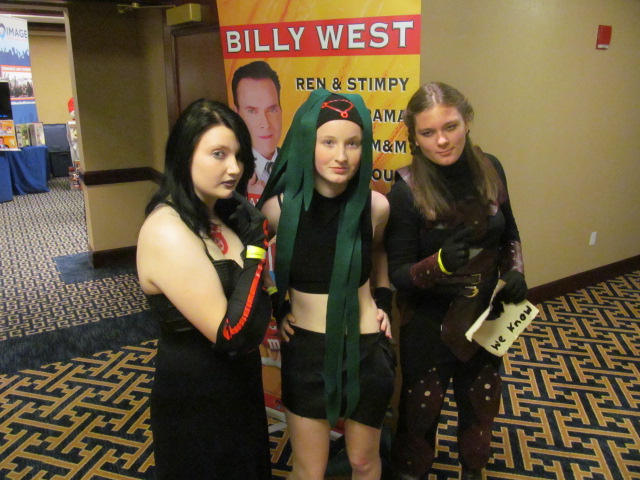
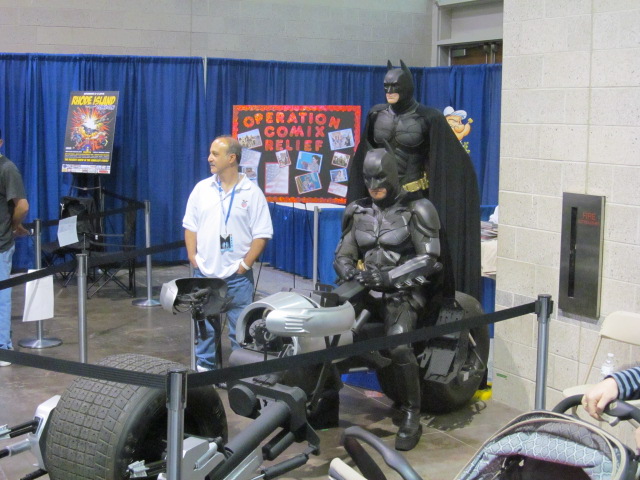
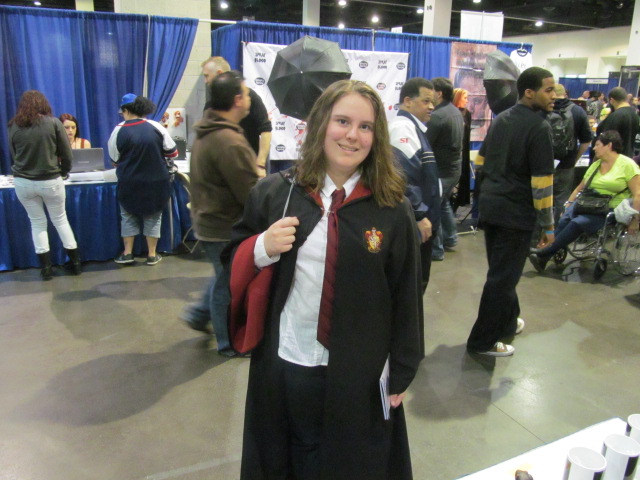
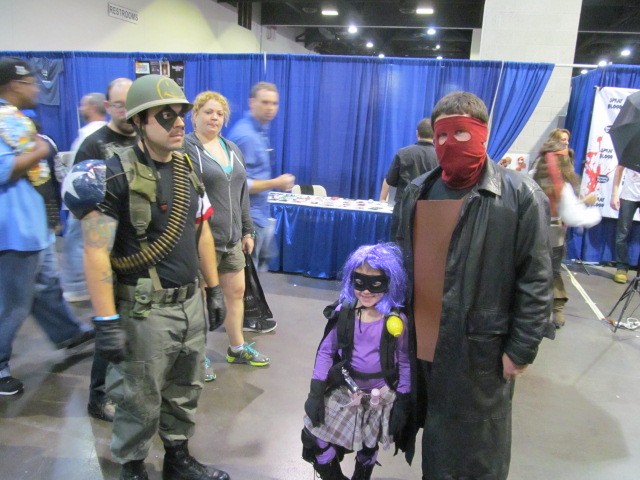
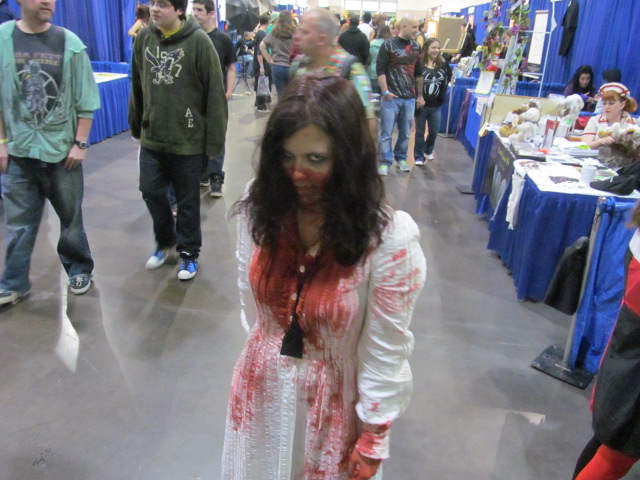
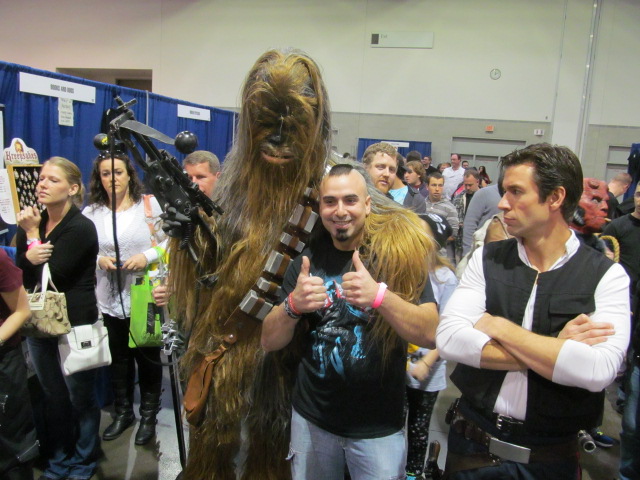
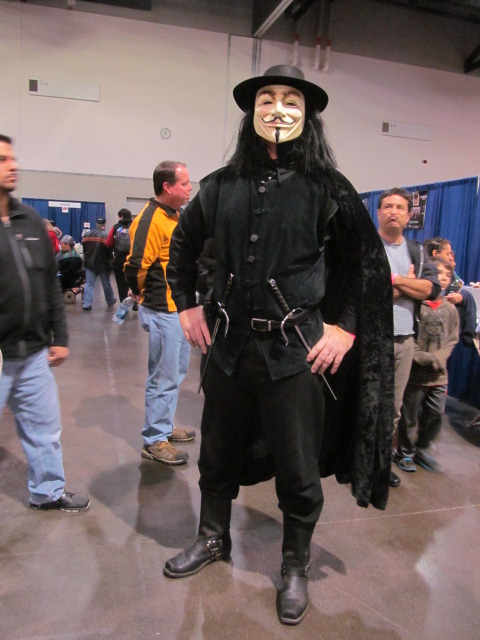
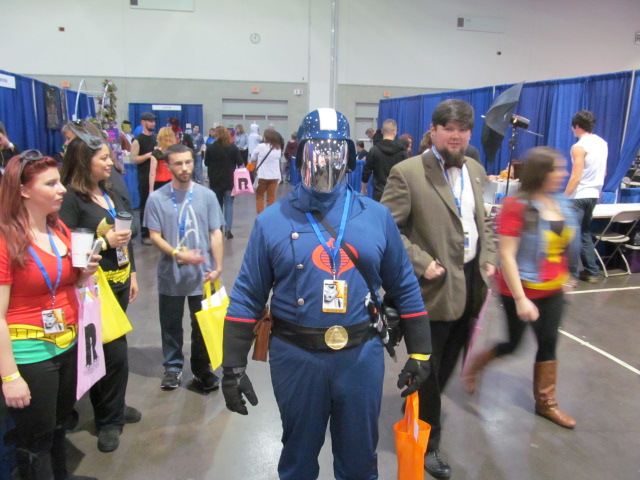
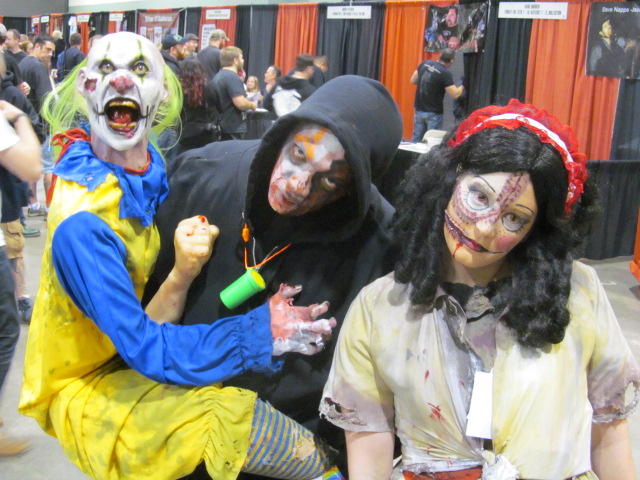
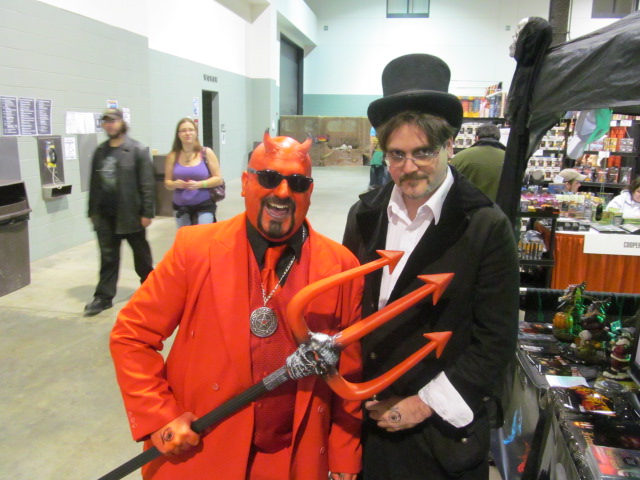
Another Rock & Shock has come and gone, the 10th one to be exact. It was another good one with even more vendors this year. The one thing that was lacking was attendees in costume. There just wasn’t a lot of people in costume. Here are pictures from the event.

Lew Temple from The Walking Dead.

Lew Temple from The Walking Dead.

From right to left: authors Robert Duperre, Kurt Newton, and Stacey Longo at the Sideshow Press and Shock Totem tables.

From right to left: authors Robert Duperre, Kurt Newton, and Stacey Longo at the Sideshow Press and Shock Totem tables.

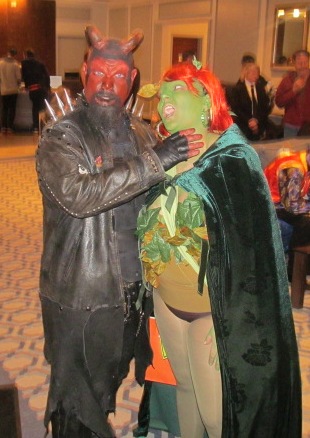
Dark Man and Elvira.

Dark Man and Elvira.

Robert Patrick from Terminator 2: Judgement Day.

Robert Patrick from Terminator 2: Judgement Day.

Author Joe Knetter at the Writer's Studio panel.

Author Joe Knetter at the Writer’s Studio panel.

The Morbid Vision Films table.

The Morbid Vision Films table.

Sharknado director Andrew C. Ferrante.

Sharknado director Andrew C. Ferrante.

Actor Joey Kern (Cabin Fever).

Actor Joey Kern (Cabin Fever).

Musician and actor Dee Snider.

Musician and actor Dee Snider.

Author K. Allen Wood and artist Jessie Young behind the Shock Totem table.

Author K. Allen Wood and artist Jessie Young behind the Shock Totem table.

Actor Jason Mewes.

Actor Jason Mewes (Clerks).

Items on the Morbid Vision Films table.

Items on the Morbid Vision Films table.

TL Smokeshop.

TL Smokeshop.

Jennifer Jostyn (The Brothers McMullen).

Jennifer Jostyn (The Brothers McMullen).

Actor Michael Rooker (The Walking Dead) with two fans.

Actor Michael Rooker (The Walking Dead) with two fans.

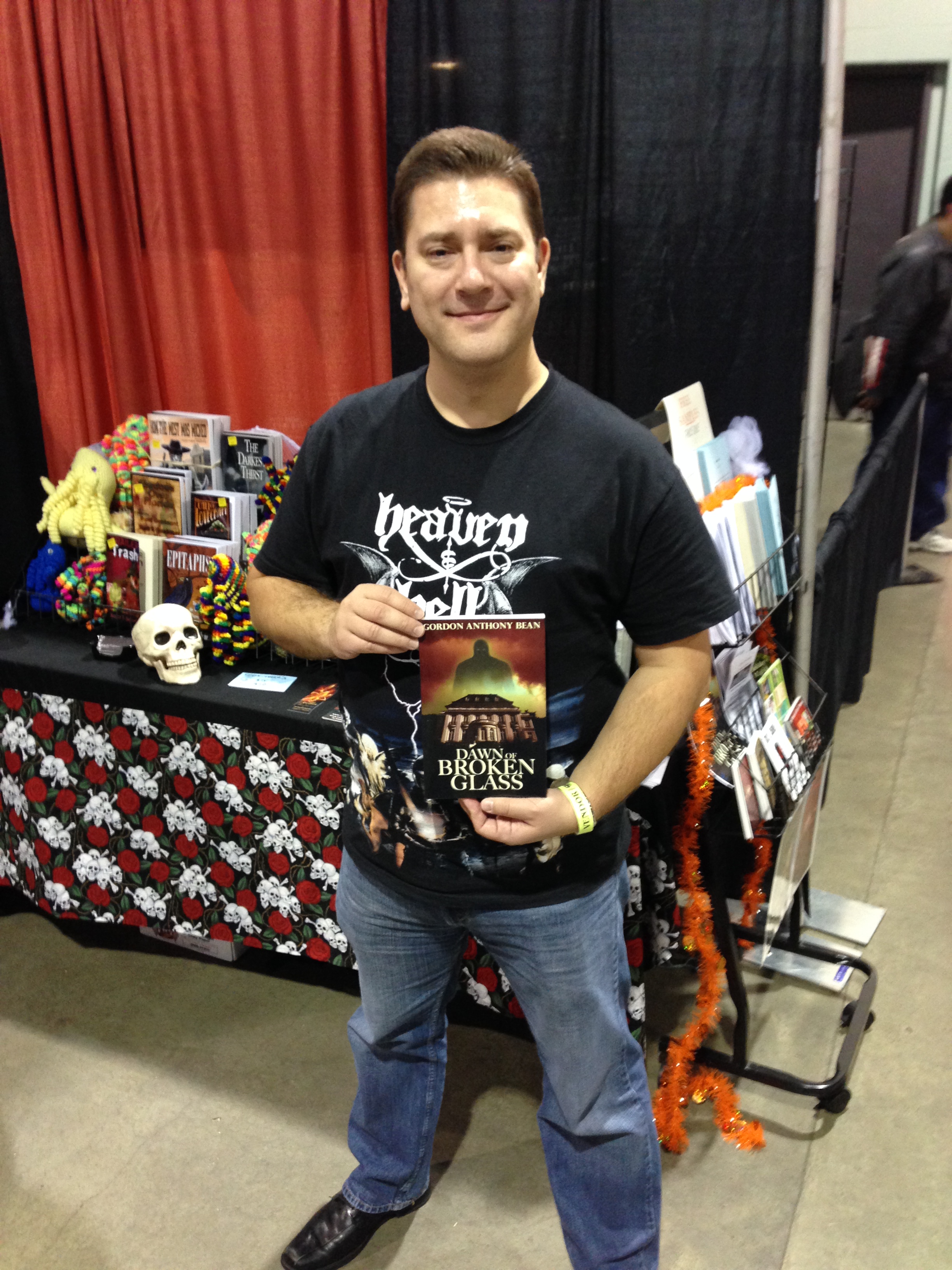
Author Gordon Bean holding his book, Dawn of Broken Glass, at the New England Horror Writers booth.

Author Gordon Bean holding his book, Dawn of Broken Glass, at the New England Horror Writers booth.

Authors Scott Goudsward, Joe Knetter, Jack Ketchum, Jack Haringa, and Bracken MacLeod on the Writer's Studio panel.

Authors Scott Goudsward, Joe Knetter, Jack Ketchum, Jack Haringa, and Bracken MacLeod on the Writer’s Studio panel.

Actor Jordan Ladd (Cabin Fever).

Actor Jordan Ladd (Cabin Fever).

Actors Gunnar Hanson, Tony Moran, Robert Englund, and Kane Hodder on the 40 Years of Our Worst Nightmares panel.

Actors Gunnar Hanson, Tony Moran, Robert Englund, and Kane Hodder on the 40 Years of Our Worst Nightmares panel.

2013-10-19 01.11.04

Actor Brian O'Halloran (Clerks 2).

Actor Brian O’Halloran (Clerks 2).

2013-10-19 05.23.28

Items on the TL Smokeshop table.

Items on the TL Smokeshop table.

Books on the Sideshow Press table.

Books on the Sideshow Press table.

More Book Vendors at 10th Rock and Shock

by Jason Harris


The 10th anniversary of Rock & Shock seems to have been the year for booksellers having a presence at the convention. In previous years, there were only Shock Totem, Sideshow Press, and the New England Horror Writers at the event.  Only the NEHW has been consistently representing its members there year after year for more than five years.

This year saw the NEHW joined by the returning representatives of Sideshow Press and Shock Totem, who both haven’t been at the convention in a couple years. The new booksellers at the event were Fenham Publishing and Living Dead Press. Click here to read a previous article on Fenham Publishing. There were also two authors, Jack Ketchum and Joe Knetter, in the celebrity area of Rock and Shock selling their books.

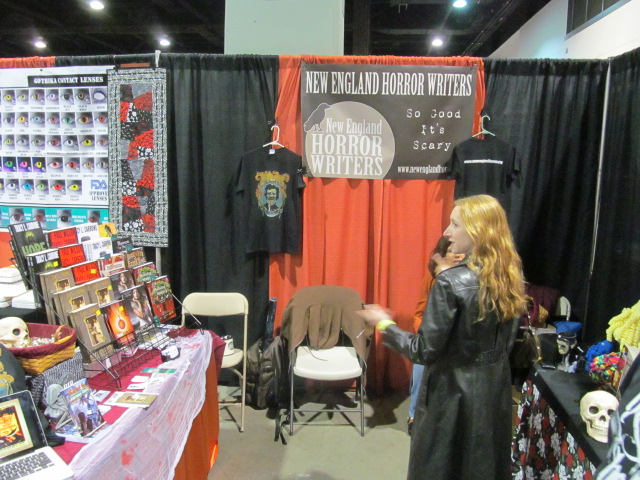
The New England Horror Writers (NEHW). Photo by Jason Harris.

The New England Horror Writers (NEHW). Photo by Jason Harris.

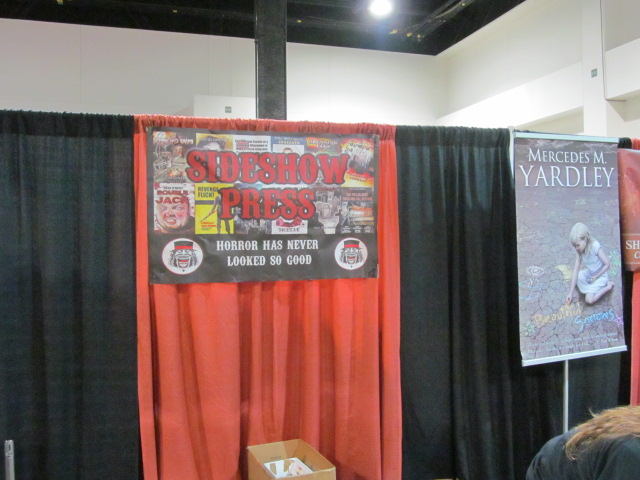
Sideshow Press

Sideshow Press. Photo by Jason Harris.

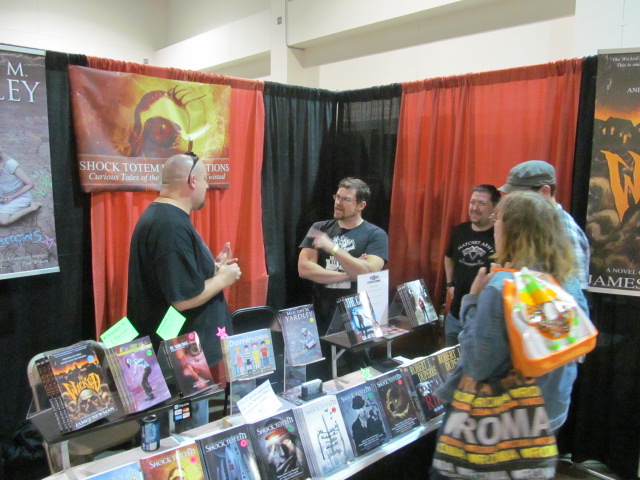
Shock Totem

Shock Totem. Photo by Jason Harris.

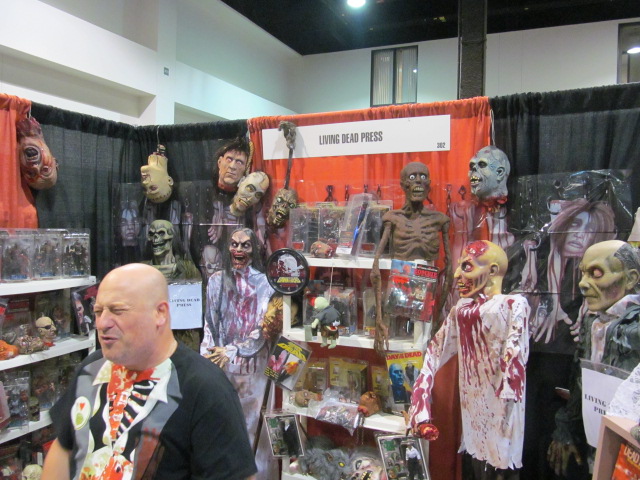
Living Dead Press. Photo by Jason Harris

Living Dead Press. Photo by Jason Harris.

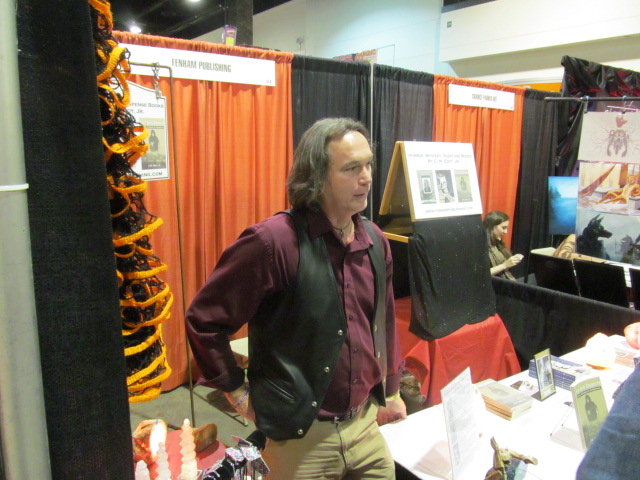
Fenham Publishing. Photo by Jason Harris

Fenham Publishing. Photo by Jason Harris.

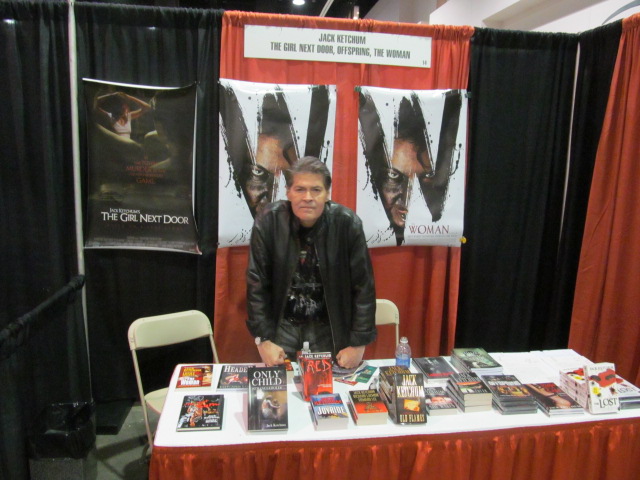
Jack Ketchum. Photo by Jason Harris.

Author Jack Ketchum. Photo by Jason Harris.

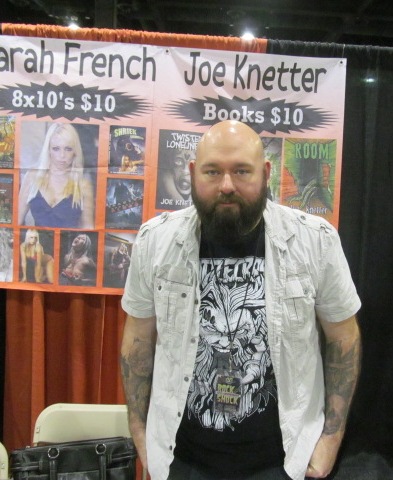
Author Joe Knetter. Photo by Jason Harris.

Author Joe Knetter. Photo by Jason Harris.


Lew Temple Talks about ‘The Walking Dead,’ Rob Zombie, and Baseball

By Jason Harris

Lew Temple. photo by Jason Harris

Lew Temple. photo by Jason Harris

Lew Temple’s time on The Walking Dead has ended, but he’s still proud of the work he did on the series, even though he thinks his character Axel had more to do in the show.

“I was obviously disappointed,” Lew Temple said. “I thought he was going to be serviceable to the group.”

Temple was given the news three weeks in advance that his character was going to die. He was in denial at first, but after some time he had to commit to it, he said.

“My intent is to always serve the story and that was my job. I wanted to do the best job possible.”

Temple did feel “disappointed for Axel,” though. As an actor, he will go on and work, but Axel is gone forever, he said.

The character of Axel will live on in The Walking Dead comic books and in reruns.

Temple did use the comic book character of Axel as a blueprint. Since comic books are one-dimensional, he had to make the character three-dimensional.

“I’m certain that we were able to use some of Robert [Kirkman’s] characteristics of Axel, but also brought some of my own to it as well.”

The producers on the zombie series knew of Temple before he came on in season three since he had been in to see them for the pilot.

“They looked at me for the role of Merle, originally, and then after that they hired Michael Rooker. Then they needed Merle’s brother, Daryl, who at that time was not even named.”

Temple auditioned for Daryl by reading Merle’s lines differently, which he was asked to do by the producers.

“Thankfully, they hired Norman Reedus. So when Axel came around they came to me and we were able to make that work.”

Temple was aware of the popularity of The Walking Dead, but not of the cross-cultural phenomenon it has become.

“I would say it hasn’t hurt me,” Temple said about Hollywood recognizing him from the popular series. “I would say prior to The Walking Dead I had a certain body of work Hollywood was aware of, and I was working prior to The Walking Dead …”

He admits that the series has elevated his visibility, which has helped him. He doesn’t know if his time on the series has defined him, which only “time will tell.”

“I like to do diverse stuff. I’m certainly proud of the work I did on The Walking Dead and to be part of that show. It’s been such an incredible hit.”

Temple has worked with writer and director Rob Zombie on Halloween and The Devil’s Rejects. He has “a really great relationship beyond a working relationship” with Zombie.

“I adore working with him because he knows what he wants and wants what he knows so there’s not a lot of grey area in-between. He is an absolute perfectionist and he does whatever it takes to make the day work, and if that means he needs to provide something on set, he does so.”

He does expect to work with Zombie again because he thinks they work well together. He just doesn’t know when that will happen.

“I think that I bring something to his story that he appreciates. It wouldn’t be a surprise to see Lew Temple in a Rob Zombie production yet again.”

Along with acting, Temple is “an incredible baseball fan.” He adores the game and it has been his first passion since he was a little boy. He’s even played it all the way up until the minor leagues with the Seattle Mariners and Houston Astros. When he couldn’t play the game, he worked as a baseball scout for the New York Mets. Now he roots for the Atlanta Braves.

“I would say I’m excited for the Red Sox, but rooting for the [Detroit] Tigers.”

Temple also writes music.

“I think that I am a pretty interesting songwriter. I think that I am able to spin a tune, at least in my head.”

He has a record deal with Universal through the Rob Zombie production, Banjo and Sullivan.

An Interview with Author A.J. O’Connell

By Jason Harris


pressphoto

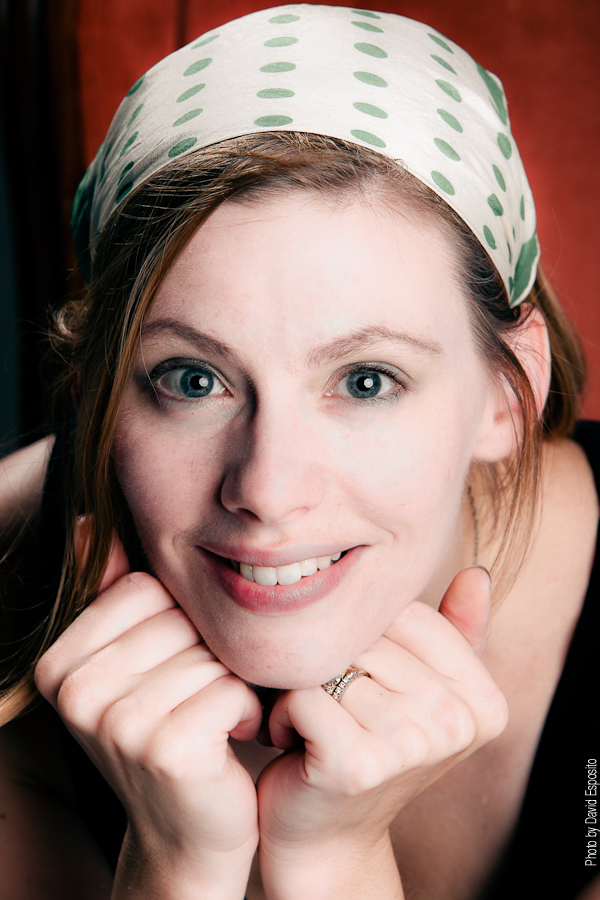
A.J. O’Connell


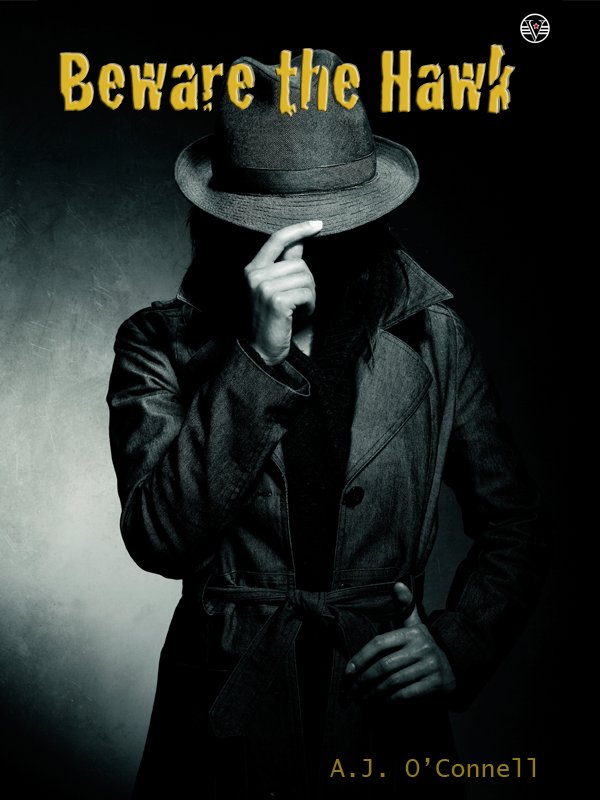
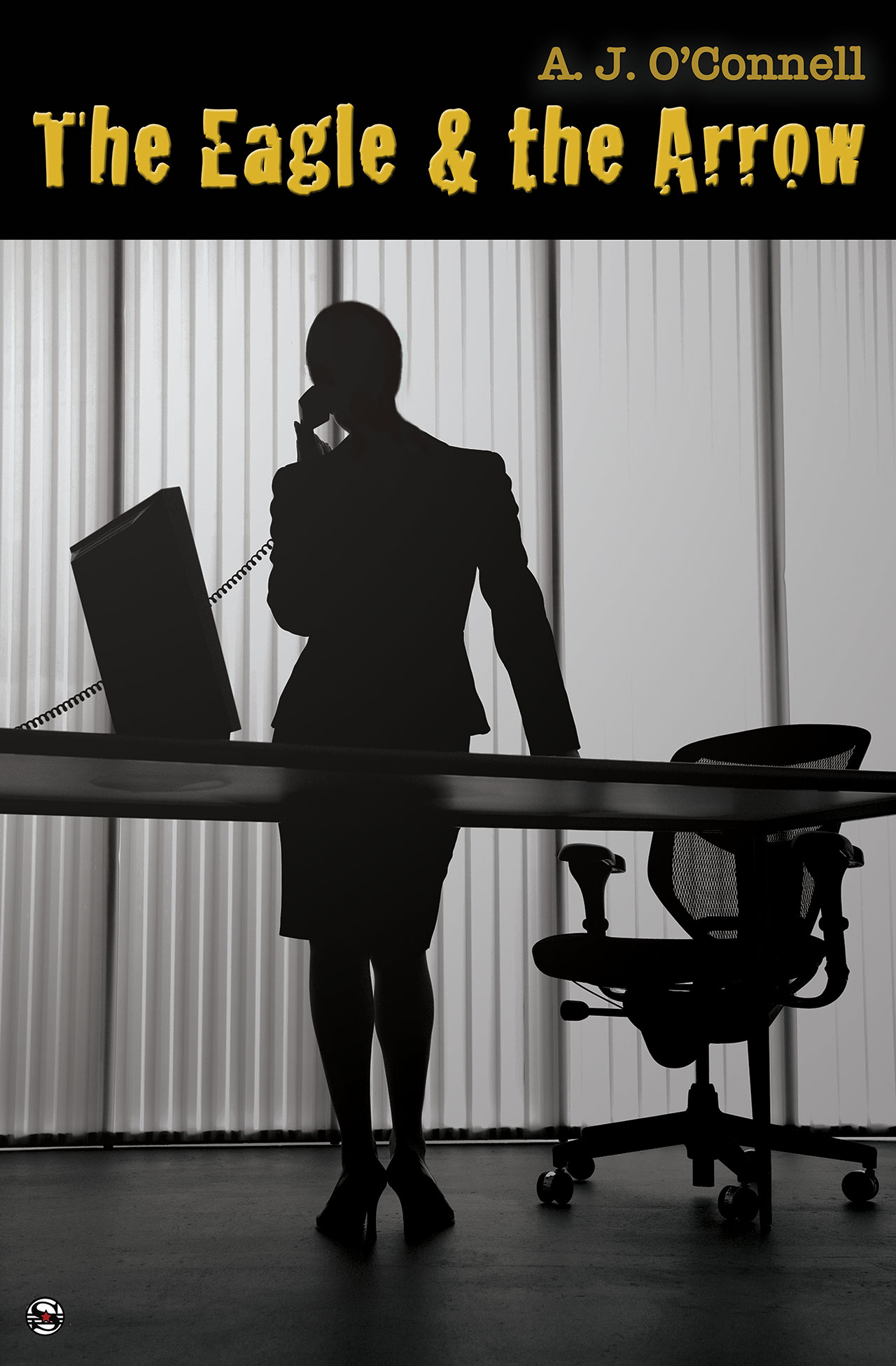
Q: Your newest book The Eagle & The Arrow is a sequel to Beware the Hawk. What are they about?

A: Beware the Hawk followed a couple of spectacularly bad days in the life of a young woman who was a courier for a secret organization called The Resistance.

The Eagle & The Arrow takes place about six months afterward, and features the young woman’s boss, a bureaucrat named Helen, who is tasked with cleaning up the mess created in the first book while keeping her decaying agency a secret and keeping her own career afloat.

Q: Did you always envision Beware the Hawk to be part of a trilogy of novellas?

A: I didn’t. Originally, my publisher contacted me about Beware the Hawk, because Vagabondage Press was putting together a series of novellas, and my editor remembered Beware the Hawk from a writers’ group we were both members of in 2003. It was only after Beware the Hawk was released that we decided to go ahead and make the book into a trilogy.

Q: Is the third one planned out already?

A: Well, no. I have some notes and outlines put together, but I haven’t figured out every step of the story.

Q: When did you start the series?
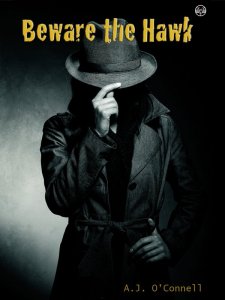
BewareTheHawkCoverArt A: I wrote the first draft of Beware the Hawk 10 years ago, although I dreamed up the premise earlier. At the time I was a 25-year-old journalist, in my first writing group ever. When I didn’t have to cover a Tuesday night school board meeting for work, I went to writing group meetings in a local Barnes & Noble. Eventually, I needed some work to share with the group, so I started writing Beware the Hawk down.

Q: Will the series go beyond the three novellas?

A: I don’t know. Right now, the plan is to stick to a trilogy. I’d like the three books to form a neat little unit of storytelling. But you never know – I might revisit some of the characters with stories or books devoted to their character arcs later.

Q: What was the inspiration for the two books?

A: I started thinking up Beware the Hawk in 1999 and 2000. At the time, I was working in Boston and regularly visited friends who lived in New York and Connecticut at the time. I did a lot of traveling by public transit and I had a lot of time to think on those trips. It occurred to me that anyone on the bus could be carrying anything. This was before Sept. 11, and security wasn’t so tight, so I’d spend bus trips thinking about the sort of things a person could get away with.

The Eagle & The Arrow was inspired by recent events as much as by the original novella. I’m intrigued by the phenomenon of WikiLeaks as much as I am horrified by prison camps like Guantanamo Bay. I thought that, when the time came to write the second book, it would be appropriate to look at the first book in terms of terrorism, because although the word “terrorism” never occurred to me when I was writing Beware the Hawk, that’s what it’s about.

Q: When did you start writing?

A: I’ve been writing since childhood. My mother tells a story about me as a toddler, playing with my toys and trying to explain what a plot was, but I don’t remember that. I do remember writing my EagleAndArrowFinalCoverRGB96dpifirst novel as a freshman in high school. It was awful, but the hours I spent on it were the happiest of my day, and I used to read chapters to my friends over the phone. The fact that they put up with this proves that they were true friends.
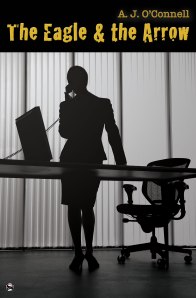
Q: Has your occupation as a journalist helped with writing your books or writing fiction in general?

A: Now that I don’t work at a daily, yes, I think my experience helped me. As a reporter you learn to economize your language, and that can only strengthen writing. When I was writing for work every day, however, journalism took away from my fiction. I was too exhausted at the end of a day of writing to write anything creative.

Q: What newspaper do you work at and what have you done there and what do you do there currently?

A: I haven’t worked for a paper for a while, although I freelance when I can and both write and edit for a website. I worked for the Hour Newspapers in Norwalk from 2001 to 2010. I was education reporter, mostly, covering schools in several communities, but I also covered municipal business in Stamford, and I worked for a year or so covering entertainment for the features section. That was fun.

Q: You’re a teacher? What do you teach, where and how long have you taught?

A: I’m an adjunct at Norwalk Community College. I’ve taught journalism there since 2008. I advise the student newspaper, and developed our digital journalism course, which I also teach.

Q: You are an editor at the online magazine, Geek Eccentric. When did you start there and what drew you to the magazine?

A: I started at Geek Eccentric this past spring, after being recruited by John Hattaway, our publisher. John went to grad school with me at the Fairfield University MFA program and knew that I was into science fiction, fantasy and comics, so he asked me to join.

I was drawn to the site because it was a chance to continue work I enjoyed. When I worked for the Hour’s features section, I loved writing about entertainment. Geek Eccentric offered me a chance to write news and opinion blog posts about entertainment that appeal to me, so naturally I jumped at it.

Q: Do you have a writing routine?

A: When I’m not teaching, I try to write at least 500 words a day in the morning. I set writing goals weekly with another writer so that we have some accountability. We send each other our goals for the next week on the weekend, and then check in at the end of the week to see if we’ve made progress. It helps.

Q: You belong to the New England Horror Writers (NEHW) and Sisters in Crime. Do you belong to any other writing organizations? What drew you to these organizations?

A: This might sound odd, but my mother, who used to be a librarian (and who loves her a mystery) is the reason I joined Sisters in Crime. She picked up a pamphlet at an event and then made sure I couldn’t miss it. And of course a conversation I had with you and Stacey [Longo] are the reason I joined the NEHW.

Q: What has been one of the best experiences/conversations since becoming a published author?

A: Running into people who have read my book. On the street. While I was lugging groceries from the car to the house. That was pretty amazing; I felt like a celebrity. Also, hearing from people I don’t know on the Internet that they loved my book.

Q: Any advice for writers who are about to be published? Or just advice to writers in general?

A: Yes, and this is advice I have to take myself sometimes: Make the time to sit down and write. Don’t worry about what you’ll write or if it will be any good or not, just sit down and write as often as you can.

Q: Who are some of your favorite authors?

A: Margaret Atwood, John Steinbeck, Virgina Woolf, Flannery O’Connor and Graham Greene are some of my favorite literary authors, but I also love Terry Pratchett, George R.R. Martin, Frank Herbert and J.R.R. Tolkien. Despite his elvish poetry, I’ve loved Tolkien since I read The Hobbit in the fourth grade.

Q: What are some of your favorite books?

A: Oh, this could turn into a Top 50 list. Let me see if I can pick out a few. Rebecca by Daphne du Maurier is a favorite of mine. So is The Sparrow by Mary Doria Russell. Graham Greene’s The Quiet American is another favorite. So is the original Dune, and Silence of the Lambs, both of which I’ve read over and over. Right now, however, I am most excited about A Song of Ice and Fire. I read all the books this spring, and George R.R. Martin cannot get The Winds of Winter published quickly enough. There’s an author who knows how to build suspense.

Thanks to A.J. for taking the time to do this interview for Jason Harris Promotions. You can find out more about her on her website here. You can purchase signed copies of her books at Books and Boos or through its website here.
David Lowery Talks about His Western Influences and Writing

By Jason Harris


David Lowery, the writer and director of Ain’t Them Bodies Saints, a movie about an outlaw portrayed by Casey Affleck, who escapes from prison and sets out across the Texas hills to reunite with his wife and the daughter he has never met. He wanted to do something that dealt with the archetypes of the western and outlaw genres. The westerns he finds himself loving are ones that have a different perspective.

“One of the first westerns that I loved was Lonesome Dove. It gave me a great appreciation of the genre and how rich it could be and how characters like this could live on the landscape.”

The western that showed him a deconstruction of the genre was Dead Man by Jim Jarmusch, he said.

Along with movies, even literature had an effect on Lowery. Cormac McCarthy is one writer in particular that affected him.

“When I read The Crossing when I was 19, it had a profound effect on me and pretty much changed the way I view not just literature, but storytelling in general.”

Lowery considers everything that McCarthy has ever written in the western genre some of his favorite literature, he said.

Lowery doesn’t have a writing process, but he does think that whatever his process is, it’s him just being lazy. He considers himself very lazy, which is what he thinks most writers are.

“I always put it off as long as I can and find other things to do, eventually the ideas I have in my head sticks around long enough that I just have to finally write it.”

He forces every idea through a trial by fire in his own mind before writing them down. If the idea is forgotten then it wasn’t worth writing down to begin with and the ones that stick around tend to get bigger and bigger, he said.

His choice of Rooney Mara (The Girl with the Dragon Tattoo), Affleck (Gone Baby Gone) and Ben Foster (X-men: The Last Stand) to star in his movie were his top choices for Ain’t Them Bodies Saints.

“It was a dream come true,” Lowery said about getting his three stars. “It was pretty remarkable.”

It felt to him that he and his three stars were friends and that they wanted to make the movie together, he said.

“I consider myself very lucky not only that they wanted to do the movie, but they brought that attitude.”

This is only Lowery’s second feature. His first feature was St. Nick, which was released in 2009. Along with these two movies, he has created “a lot of short films.”

He learned a sense of confidence from his first film.

“I need to stick to my guns and do what I feel is right for the project.”

Lowery would like to work with his stars again. He would also like to work with Brad Pitt.

“There are so many great actors. I admire so many different people. It really depends on what the project is,” he said about who he would want to work with and place in a movie.

Writer Talks about His New Movie, ‘Ain’t Them Bodies Saints’

By Jason Harris

MV5BMjg2MjI1OTU2M15BMl5BanBnXkFtZTcwODc3MzM5OQ@@__V1_SY317_CR2,0,214,317_Writer and director David Lowery has been a fan of westerns since he was seven when he moved to Texas, where he thought all the streets were going to be dusty and guys would be wearing big hats.

When he wrote Ain’t Them Bodies Saints, a movie about an outlaw portrayed by Casey Affleck who escapes from prison and sets out across the Texas hills to reunite with his wife and the daughter he has never met, he wanted to do something that dealt with the archetypes of the western and outlaw genres.

“I wanted to pay homage to those archetypes. I didn’t want to do anything too complex. I didn’t want to reinvent the wheel. I wanted to let them be what they have always been throughout the history of this type of storytelling.”

The movie’s title came from some misheard song lyric to an old song. They just spun around in his head, he said.

“I thought they make a good title for a movie,” Lowery said. “When it came to writing the script, I very quickly remembered that title and thought that this movie would be a fine movie for that title.”

Lowery wanted the movie to feel like an old folk song with that quality, resilience, and mentality to it. He also thinks it is very thematic since a person will not find that phrasing in any other language.

He thinks titles can prepare people for what they are going to see, which he believes his title does.

The movie is set in the 70s because it wouldn’t work in the 80s, 90s or now because of technology. It also allows it to take on grandeur tones and have a mythological and timeless feel to it, he said.

“I don’t think the story would work as well or worked at all if there were such things as cellphones or the Internet.”

He chose the outlaw genre because he wanted to play around in a genre he really liked. He wanted to do something that dealt with the archetypes of the western and outlaw genres.

This type of storytelling goes beyond the movie and goes all the way back to folk songs, American folklore, and history itself, he said.

“It was a really wonderful process to write it because I felt like I was participating in the tradition of storytelling.”

Lowery didn’t do a lot of research for Ain’t Them Bodies Saints, but relied on other movies and how they used these tropes and ideas, he said. He trusted what other people have done on film in the past.

“I didn’t feel the need to tie this movie down to reality.”

That being said, Lowery did mention he had a police advisor on the film set to explain how the police would approach a farmhouse. What the advisor told him is exactly what he expected since he had seen it in other movies so many times, he said.

Even though Lowery didn’t do a lot of research for the movie. He did ask Ben Foster, one of the three main stars in the movie, to do research about how sheriff’s in Texas go about their jobs and performing their duties. Foster got to know what it was like to have that job and what that job meant.

“He brought a lot of that to the table and a lot of information I didn’t know so that was really helpful as well,” Lowery said. “He brought a lot of realism to that part that wouldn’t have otherwise been there.”

Ain’t Them Bodies Saints opens in theaters Friday, Aug. 30.

Pictures from the 11th Open Air Market and Festival

by Jason Harris


The 11th Annual Open Air Market and Festival took place this past Sunday at the Wadsworth Mansion in Middletown, Connecticut. According to Deborah Moore, the event’s organizer, she believes there were record crowds. A record number of vendors participated in the event as well, she said. There were over 80 vendors.

2013-08-25 00.59.16

2013-08-25 00.58.28

Why A Spoon

Why A Spoon

Raymond J. Medeiros Jr., a spoon carver, operates Why a Spoon. He sales wood carved spoons and “treen ware.” You can check out his website here.
More products from Why a Spoon.

More products from Why a Spoon.

The Farmer's Cow. There are five farms operating under that brand in Connecticut.

The Farmer’s Cow. There are five farms operating under that brand in Connecticut.

The Creative Salt Dough Arts & Crafts booth.

The Creative Salt Dough Arts & Crafts booth.

The Creative Salt Dough Arts & Crafts is located in Middletown and is operated by Kisha Michael. You can check out her website here.
The Books & Boos tent.

The Books & Boos tent.

The Books & Boos bookstore is located at 514 Westchester Road in Colchester, Connecticut. You can find it’s website here.
Cato Corner Farm, located in Colchester, Connecticut.

Cato Corner Farm, located in Colchester, Connecticut.

The next three pictures are of the work by Rustica Ornamentals. You can find the website here.
2013-08-25 03.52.44

2013-08-25 03.51.43

2013-08-25 03.51.32

A picture facing towards the mansion.
2013-08-25 00.57.17

Vivienne McGarry, owner of Cold Goats Farm.

Vivienne McGarry, owner of Cold Goats Farm.

2013-08-25 01.09.07

2013-08-25 01.05.52

York Road Pottery

York Road Pottery

The products of York Road Pottery.

The products of York Road Pottery.

York Road Pottery is owned and operated by Cynthia Wallace, who works with pottery and weaving. She is located in Kensington, CT.